
Healthy food plays an important role in everyday life, yet many people feel confused about what actually counts as a healthy choice. With so much information available online, it is easy to overlook simple, nutritious foods that can be part of daily meals.
Before exploring different types of healthy foods, it helps to understand what healthy food means and why it is important. In simple terms, healthy foods are those that provide essential nutrients, support normal body functions, and fit into a balanced eating pattern.
In this article, we will look at the types of healthy foods, along with a practical list of 15 healthy foods you can eat every day.
The focus is on everyday examples and clear categories that help readers understand food choices without following complex diets or strict rules.
What Are 15 Healthy Foods You Can Eat Every Day?
Healthy foods are everyday food items that provide useful nutrients and fit easily into regular meals. These foods support daily energy needs and help maintain normal body functions. They are also part of a balanced diet when eaten in proper amounts and variety.
The list below explains fifteen healthy food groups that people commonly include in daily eating patterns.
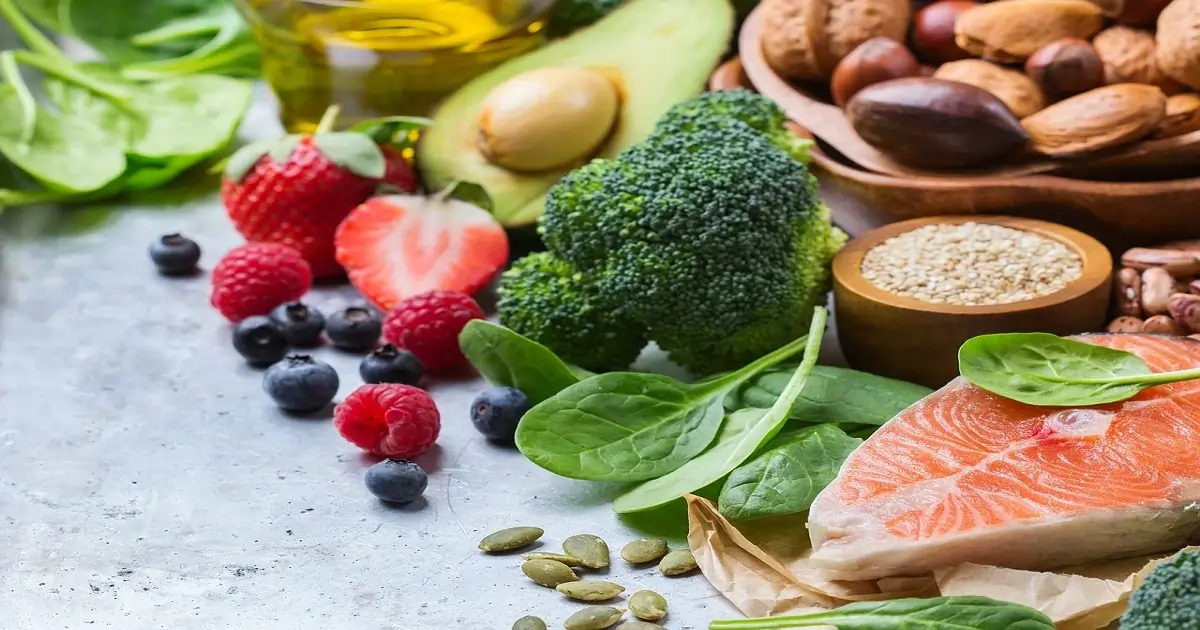
1. Fruits (Seasonal and Whole)
Fruits are natural foods that grow on plants and trees. Seasonal fruits are fresh, widely available, and easy to include in daily meals. They are associated with natural sugars, fiber, and plant nutrients.
Whole fruits support digestion and contribute to hydration. Eating fruits regularly helps maintain steady energy levels. Fruits also play a role in adding color and variety to meals.
2. Green Leafy Vegetables
Green leafy vegetables include spinach, lettuce, and similar greens. These foods are light, fresh, and commonly used in salads or cooked dishes. They are important for normal function due to their nutrient content.
These vegetables support digestion and help maintain daily nutrient balance. They also contribute to meal volume without heaviness. Many traditional meals already include leafy vegetables in simple forms.
3. Other Vegetables
Other vegetables include carrots, beans, gourds, and root vegetables. They grow in different climates and are used in many cuisines. These foods are associated with fiber and natural plant compounds.
Vegetables support gut activity and contribute to fullness. They also help maintain regular eating patterns. Including different vegetables adds texture and flavor to everyday meals.
4. Whole Grains
Whole grains include foods like brown rice, oats, and whole wheat. They contain all parts of the grain, which makes them more nourishing. Whole grains are important for normal energy release.
These foods support digestion and help maintain steady energy. They also play a role in keeping meals satisfying. Whole grains are part of a balanced diet when eaten in moderate portions.
5. Pulses and Legumes
Pulses and legumes include lentils, beans, and peas. They are plant-based foods commonly used in home cooking. These foods are associated with plant protein and fiber.
They support muscle function and help maintain fullness. Pulses also contribute to stable meal patterns. Many traditional diets rely on legumes as daily meal components.
6. Nuts and Seeds
Nuts and seeds include almonds, peanuts, sunflower seeds, and similar foods. They are small but nutrient-dense. These foods are associated with healthy fats and plant nutrients.
They support energy needs and help maintain satiety. Nuts and seeds are often eaten in small portions. They also play a role in adding crunch and variety to meals.
7. Milk and Dairy (or Alternatives)
Milk and dairy foods include milk, curd, and yogurt. Plant based alternatives are also used by many people. These foods are important for normal function due to their nutrient profile.
They support bone structure and contribute to daily nourishment. Dairy products are often part of breakfast or snacks. Fermented dairy fits easily into daily eating habits.
8. Eggs
Eggs are animal based foods commonly eaten worldwide. They are easy to prepare and versatile in meals. Eggs are associated with protein and essential nutrients.
They support muscle activity and help maintain fullness. Eggs are often included in breakfast or light meals. Simple cooking methods keep them suitable for regular intake.
9. Fish (Optional Non-vegetarian)
Fish is a water based animal food consumed in many regions. It is commonly prepared by cooking or grilling. Fish is associated with protein and beneficial fats.
It supports normal body function and contributes to meal variety. Fish is often eaten a few times a week. Light preparation methods keep it suitable for balanced eating.
10. Lean Meats (Optional)
Lean meats include poultry and trimmed animal meat. These foods contain less visible fat. Lean meats are associated with protein and essential minerals.
They support muscle maintenance and daily energy needs. Portion control is important when including meats. Many meals combine lean meats with vegetables and grains.
11. Healthy Fats (Oils in Moderation)
Healthy fats include oils from plants such as olive or mustard. These fats are used in small quantities during cooking. They are important for normal body function.
They support nutrient absorption and help maintain energy balance. Using oils in moderation is key. Healthy fats also contribute to taste and texture in meals.
12. Fermented Foods
Fermented foods include curd, fermented vegetables, and similar items. These foods are made through natural fermentation processes. They are associated with beneficial microbes.
They support digestion and help maintain gut balance. Fermented foods are often part of traditional diets. Small daily portions fit well into regular meals.
13. Traditional Home Foods
Traditional home foods include simple cooked meals passed through generations. These meals often combine grains, vegetables, and pulses. They are part of a balanced diet.
They support regular eating habits and meal satisfaction. Home foods are usually prepared with familiar ingredients. They also play a role in cultural food practices.
14. Hydrating Foods
Hydrating foods include fruits and vegetables with high water content. Examples include cucumber and melon. These foods contribute to daily fluid intake.
They support hydration and help maintain body balance. Hydrating foods are light and refreshing. They are easy to include in snacks and meals.
15. Naturally Sweet Foods
Naturally sweet foods include fruits and some root vegetables. Their sweetness comes from natural sugars. These foods are associated with fiber and plant nutrients.
They support energy needs without added sugars. Naturally sweet foods help maintain taste satisfaction. They are useful as simple snack options.
Types of Healthy Foods by Category
Healthy foods are often grouped based on their nutritional role. This approach helps people understand how different foods fit into daily meals. Grouping also supports balanced planning and variety within a clear framework for organizing everyday meals.

Different food groups that are part of a balanced eating pattern
Many dietary guidelines explain food types using this structure. These groupings are widely accepted and easy to follow. They reflect major food groups used in a balanced diet.
Fruits and Vegetables
Fruits and vegetables come from plants and grow in different seasons. They are commonly eaten fresh or cooked. These foods are associated with fiber, water content, and natural plant compounds.
They support digestion and help maintain daily nutrient balance. Fruits and vegetables also contribute to meal color and texture. Eating different varieties plays a role in improving food diversity.
Whole Grains
Whole grains include grains that keep all natural parts intact. Examples include brown rice and whole wheat. These foods release energy gradually.
Whole grains support digestion and help maintain fullness. They are important for normal function during daily activities. Whole grains are often used in traditional meals across cultures.
Protein Rich Foods
Protein-rich foods include plant and animal sources. Pulses, dairy, eggs, fish, and lean meats fall into this group. These foods are associated with muscle support.
They help maintain body structure and daily strength. Protein foods also contribute to satiety. Balanced portions make them part of a balanced diet.
Healthy Fats
Healthy fats come from plant oils, nuts, and seeds. They are used in small amounts. These fats are important for normal function.
They support nutrient absorption and energy balance. Healthy fats also play a role in improving taste. Moderate use is key for daily meals.
What Is Healthy to Eat Every Day?
Healthy daily eating focuses on variety and balance. No single food meets all needs. Combining different food groups helps maintain steady nourishment. This combination becomes more effective when meals are planned with balance, timing, and portion awareness in mind.
Everyday meals should include fruits, vegetables, grains, and protein sources. Portion awareness also matters. Eating moderate amounts supports comfort and routine.
Cultural food habits play a role as well. Indian meals often combine grains, pulses, and vegetables. Global diets follow similar patterns using local foods.
Healthy eating does not require strict rules. Simple home foods can support daily needs. Choosing fresh and familiar foods helps maintain consistency.
How to Choose Healthy Foods for Daily Meals
Choosing healthy foods starts with simple awareness. Reading food labels helps identify basic ingredients. Short ingredient lists are often easier to understand.
Whole foods are usually better choices than heavily processed items. Fresh grains, vegetables, and pulses retain natural qualities. These foods support regular eating patterns.
Seasonal and local foods are easier to include. They are often fresh and affordable. Seasonal choices also contribute to food variety.
Everyday guidance highlights balance rather than restriction. This approach aligns with practical healthy eating guidance. Small, consistent choices help maintain long-term habits.
Final Thoughts
Choosing healthy foods is about balance, not perfection. Everyday meals work best when they include variety and simple choices. Different food groups support daily needs in different ways. Together, they help maintain normal body function.
Healthy eating also depends on habits. Small changes often contribute to long-term consistency. Besides that, familiar home foods can be part of a balanced diet. Cultural meals already play a role in daily nourishment.
It is helpful to observe how foods make you feel. Over time, this awareness supports better choices. Furthermore, exploring related topics can deepen understanding. Learning gradually helps maintain confidence and clarity when choosing foods each day.
Disclaimer:
This article is for informational purposes only. It discusses general food-related topics and does not provide medical advice. Nutritional needs vary between individuals, and food choices should be part of a varied and balanced diet. For personal health concerns, consult a qualified professional.