
Fats and oils in nutrition are essential nutrients found in many everyday foods. They are a type of dietary fat that provides energy and supports normal body functions. These fats in nutrition also help the body absorb vitamins and maintain cell structure. In simple terms, oils in food are liquid fats, while other fats may be solid at room temperature.
However, not all fats are the same. Some fat sources are considered more suitable for regular intake, while others are best used in smaller amounts. Therefore, understanding their types and roles becomes important for making better food choices.
This article looks at different fats, common foods, and their role in daily nutrition. It also covers simple ways to choose fats wisely as part of a balanced diet.
What Are Fats and Oils in Nutrition?
Fats and oils are present in many daily foods and play an important role in nutrition. They are part of dietary fats that provide energy and support normal body functions. These fats in food also help maintain cell structure and assist in vitamin absorption. Therefore, they play a role in overall health when included in balanced amounts.
In simple terms, fats and oils differ mainly in their physical form and sources. However, both are important as part of a balanced diet. Understanding their basic nature helps in making informed food choices. It also explains why some fat sources are used more often in everyday meals.
Basic Definition of Fats
Fats are a type of macronutrient that provide concentrated energy to the body. They contribute to energy storage and support important functions such as insulation and protection. In the definition of fats in science, they are organic compounds made of fatty acids.
Fats in food can be solid or semi-solid at room temperature. For example, butter and ghee are common solid fats, while oils remain liquid. This difference helps distinguish between fats and oils in daily use. Both forms, however, are important for normal function when consumed in proper amounts.
Difference Between Fats and Oils
The main oils vs fats difference lies in their physical state at room temperature. Fats are usually solid, while oils are liquid. This happens due to differences in their chemical structure, although both belong to the same nutrient group.
There are also differences in their sources. Fats are often associated with animal-based foods like butter and dairy. Oils, on the other hand, mainly come from plant sources such as seeds and fruits. However, both types are part of dietary fats and contribute to daily nutrition.
Types of Fats in Nutrition
Fats in nutrition are classified based on their structure and properties. This classification helps explain how different fats behave in food and in the body. Therefore, understanding the types of fats is important for better food choices.
These types include saturated, unsaturated, and trans fats. Each type is associated with different food sources and roles in the diet. However, all fats together form a part of overall nutrition and are considered within how foods are grouped in a balanced diet.
Saturated Fats
Saturated fats are usually solid at room temperature and are commonly found in animal-based foods. These include butter, ghee, and full-fat dairy products. They are also present in some plant sources like coconut oil.
These fats are associated with energy supply and help maintain body functions. However, they are generally consumed in moderate amounts as part of a balanced diet. A general understanding of saturated fat and dietary context helps place these fats within everyday nutrition.
Unsaturated Fats
Unsaturated fats are usually liquid at room temperature and are often considered more suitable for regular use. They are commonly found in plant-based oils, nuts, and seeds. These fats contribute to overall nutrition and are important for normal function.
This category is further divided into monounsaturated and polyunsaturated fats. Both types differ slightly in structure but share similar roles in the body. Therefore, learning about these types of fats helps clarify the idea of good fats vs bad fats.
H4: Monounsaturated Fats
Monounsaturated fats are found in foods like olive oil, nuts, and avocados. These fats are associated with everyday cooking and are widely used in many diets. They help maintain normal body functions and support energy needs.
Common monounsaturated fat examples include almonds, peanuts, and certain plant oils. Including these fats in moderate amounts contributes to a balanced diet.
H4: Polyunsaturated Fats
Polyunsaturated fats are found in foods such as seeds, walnuts, and fatty fish. These fats are important for normal function and play a role in various body processes. They are also associated with essential fatty acids.
When comparing polyunsaturated fats vs monounsaturated fats, both have similar roles but come from slightly different sources. Including a mix of these fats helps maintain dietary balance.
Trans Fats
Trans fats are mainly found in processed and packaged foods. They are created during industrial processes that change the structure of oils. Small amounts may also occur naturally in some animal products.
These fats are generally limited in the diet. They are associated with processed foods such as baked goods and snacks. Therefore, reducing their intake supports better overall food quality.
Examples of Fats and Oils in Foods
Fats and oils are present in many everyday foods, both from plant and animal sources. These dietary fats examples help explain how fats are included in daily meals. Some foods naturally contain fats, while others are used mainly for cooking.
Understanding fats and oils food examples makes it easier to identify where these nutrients come from. Therefore, recognizing common sources supports better food awareness and balanced choices.
Common Fat-Rich Foods
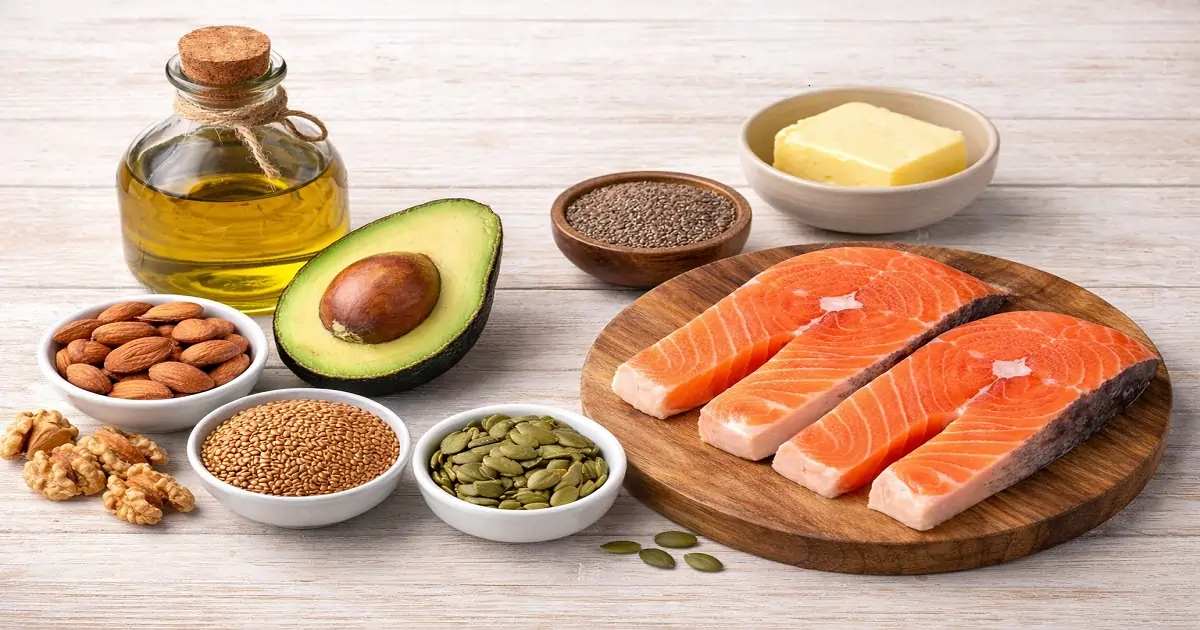
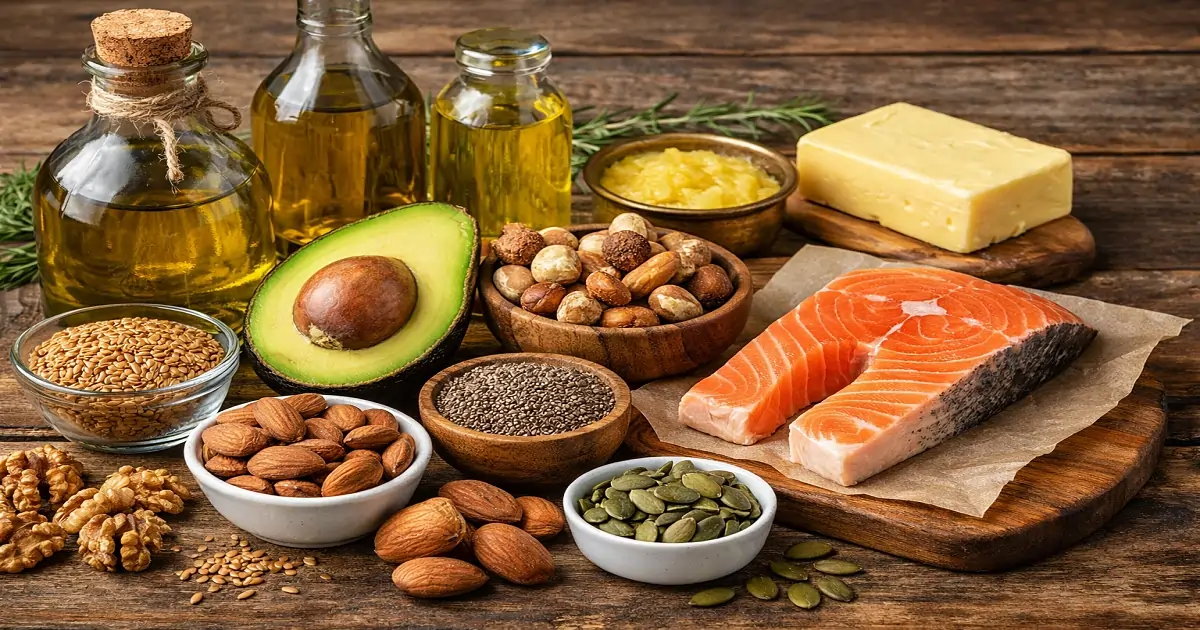
Several foods naturally contain higher amounts of fat and are part of regular diets. These include butter, ghee, cheese, and fatty cuts of meat. Such foods are often associated with energy supply and help maintain body functions when consumed in balanced amounts.
Dairy-based foods like cheese and butter are common examples of fat-rich items. These are also part of broader dairy foods that contribute to daily nutrition. Besides, fatty meats such as lamb or beef also contain visible fats that add flavor and texture to meals.
These foods are part of dietary fats and are used in different cuisines. However, portion size and frequency play a role in maintaining balance.
Common Oils Used in Cooking
Cooking oils are one of the most common sources of fats in food. These oils are usually derived from plants and are liquid at room temperature. Common cooking oil examples include mustard oil, olive oil, sunflower oil, and coconut oil.
Each oil has its own use in cooking methods like frying, sautéing, or dressing. These oils contribute to energy intake and support normal body function. Furthermore, plant-based sources like seeds and nuts are also associated with oil extraction and daily use.
Such sources are closely related to nuts and seeds, which also provide natural fats. Including a variety of oils in moderate amounts helps maintain dietary balance.
What Are 10 Examples of Fat and Oil Foods?
Many foods naturally contain fats or are used as oils in cooking. Listing them together provides a quick and clear view of common sources. These examples of fats and oils help identify foods that contribute to daily fat intake.
This simple list includes both animal-based and plant-based items. Therefore, it offers a balanced understanding of fat sources used in everyday meals.
Quick List of Common Fat and Oil Foods
- Butter – A solid dairy fat commonly used in cooking and baking.
- Ghee – Clarified butter widely used in traditional cooking.
- Olive oil – A plant oil often used for cooking and dressings.
- Mustard oil – A strong-flavored oil commonly used in regional cuisines.
- Coconut oil – A plant oil used in cooking and food preparation.
- Sunflower oil – A light cooking oil widely used for frying.
- Almonds – Nuts that provide natural fats and energy.
- Walnuts – Nuts associated with essential fatty components.
- Fatty fish (such as salmon or mackerel) – Contains natural fats important for normal function.
- Avocado – A fruit known for its healthy fat content.
Food Sources of Fats and Oils
Fats and oils come from a wide range of foods, both plant-based and animal-based. These dietary fat foods help explain how fats are included in daily meals. Some are visible, like oils and butter, while others are naturally present in foods.
Understanding fat sources in food helps maintain better food choices. It also shows the difference between plant fats vs animal fats. Therefore, knowing these sources supports balanced eating without confusion.
Plant-Based Sources
Plant-based fats are commonly found in oils, nuts, seeds, and certain fruits. These include olive oil, mustard oil, sunflower oil, almonds, walnuts, and avocado. Such foods are associated with everyday cooking and snacking habits.
These sources contribute to energy intake and help maintain normal body functions. Besides, nuts and seeds are not only rich in fats but also provide other nutrients. They are also part of protein-rich foods, which adds to their nutritional value.
Plant fats are usually liquid at room temperature and are widely used in cooking. Including a variety of these foods contributes to a balanced diet and supports dietary diversity.
Animal-Based Sources
Animal-based fats come from foods like butter, ghee, meat fats, and full-fat dairy products. These are common in many traditional diets and are often used for cooking or flavor.
Such foods are associated with energy supply and play a role in maintaining body functions. Dairy and meat products are key examples of these fat sources in food. However, they are usually consumed in moderate amounts as part of a balanced diet.
These foods are also included within broader dietary categories such as the five main food groups. Therefore, understanding their place helps maintain overall dietary balance.
Functions of Fats in the Body
Fats are important nutrients that support several functions in the body. They support energy needs, help absorb vitamins, and contribute to cell structure. Therefore, the role of fats in the body goes beyond just energy storage.
These functions of fats explain why they are important for normal function. Including fats as part of a balanced diet helps maintain overall health and body processes. The role of fats in everyday nutrition is part of fat functions in the body.
Energy and Storage
Fats provide a concentrated source of energy compared to other nutrients. They help maintain energy levels, especially during longer gaps between meals. This makes them important for daily activities.
The body also stores excess energy in the form of fat. This stored energy can be used when needed. Therefore, fats contribute to both immediate and long-term energy supply.
Absorption of Vitamins
Fats play a role in the absorption of fat-soluble vitamins such as A, D, E, and K. These vitamins are important for normal function and need dietary fat for proper use in the body.
Without enough fat, the body may not absorb these vitamins effectively. Therefore, including dietary fats supports nutrient absorption and helps maintain balance.
Cell Structure and Hormones
Fats are part of cell membranes and help maintain their structure. They also contribute to the production of certain hormones that regulate body functions.
These roles show how fats are associated with internal processes beyond energy. Therefore, they are important for normal function at the cellular level.
Insulation and Protection
Fats help protect internal organs by acting as a cushion. They also help maintain body temperature by providing insulation.
This protective role is important for overall body stability. Therefore, fats contribute to safety and balance within the body.
Saturated vs Unsaturated Fats: Key Differences
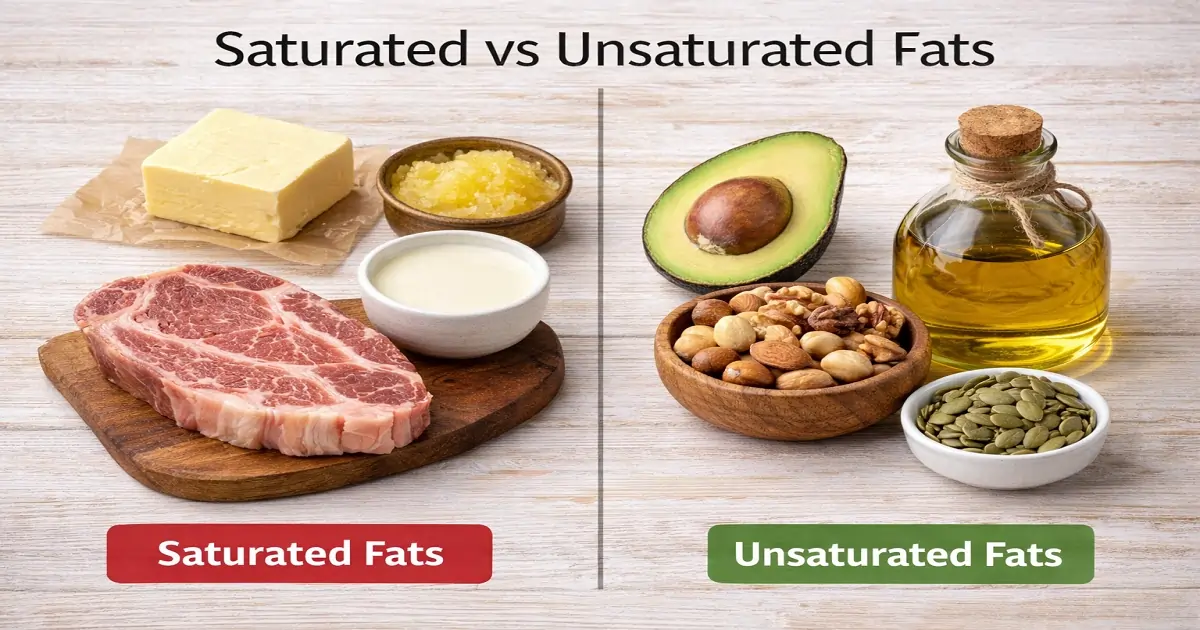
Saturated vs unsaturated fats differ in structure, sources, and how they are used in the diet. Understanding these differences helps in making informed food choices. Both types are part of dietary fats but vary in their characteristics.
Saturated fats are usually solid at room temperature and are found in foods like butter, ghee, and fatty meats. Unsaturated fats are generally liquid and come from plant oils, nuts, and seeds. These include common unsaturated fat examples such as olive oil and sunflower oil.
In simple terms, saturated fats have a more stable structure, while unsaturated fats have a different arrangement that keeps them liquid. Therefore, they behave differently in cooking and storage.
When comparing healthy fats vs unhealthy fats, unsaturated fats are often included more regularly in meals. However, both types can be part of a balanced diet when consumed in appropriate amounts.
Choosing Fats and Oils in Daily Diet
Choosing fats and oils wisely is important for maintaining balance in daily meals. Fats in daily diet should come from a mix of sources rather than one type. This approach supports overall nutrition and helps maintain normal body functions.
It is not about avoiding fats completely. Instead, it is about selecting suitable fat sources and using them in appropriate amounts. Therefore, understanding how fats are used in everyday eating, including fats in everyday diets, helps in making better food choices.
Balance and Variety
Including a variety of fat sources helps maintain dietary balance. Using only one type of oil or fat may limit diversity in nutrients. Therefore, rotating different oils and fat-rich foods contributes to a balanced diet.
Avoiding extremes is also important. Too much or too little fat intake may affect overall nutrition. Besides, combining plant-based oils with other fat sources helps maintain variety. This simple approach supports better eating habits over time.
How Fats Fit into Overall Nutrition
Fats are one part of overall nutrition and work alongside other nutrients in daily meals. They contribute to energy, structure, and normal body functions. However, they are not used alone and are part of a broader dietary pattern.
In everyday eating, fats combine with carbohydrates, proteins, vitamins, and minerals. This shows the role of fats in diet as one component among many. Therefore, balance across different nutrients helps maintain overall nutrition.
Fats are also understood within how foods are classified in nutrition. This provides context without focusing on a single nutrient.
Together, these elements form a balanced approach to eating. Including fats in the right proportion supports normal function while maintaining overall dietary balance.
Common Questions About Oils
People often have practical questions about oils used in daily cooking. These questions are usually linked to health, cooking methods, and everyday choices. Therefore, understanding basic points helps maintain clarity without confusion.
Do Some Oils Support Better Fat Balance?
Different oils are associated with different fatty acid profiles. Some are commonly included in regular meals due to their composition. However, no single oil works alone. Using a mix of oils helps maintain better dietary balance.
Which Oils Are Suitable for Daily Use?
Many plant-based oils are used in everyday cooking across regions. The best cooking oils are those that fit cooking style, taste, and usage. Therefore, choosing oils based on use rather than trends supports consistency.
Why Does Cooking Method Matter?
Cooking stability plays a role in how oils behave during heating. Some oils handle high temperatures better, while others are used for light cooking. Therefore, matching oil type with cooking method helps maintain food quality.
Conclusion
Fats and oils in nutrition are important nutrients that support daily body functions. They are found in different forms, including saturated, unsaturated, and trans fats. Each type is associated with specific food sources such as oils, dairy, nuts, seeds, and meat.
These fats contribute to energy, help maintain cell structure, and support the absorption of vitamins. Therefore, their role goes beyond simple energy supply. Understanding their types, sources, and functions helps maintain better food choices.
However, balance matters more than avoiding fats completely. Including a mix of fat sources as part of a balanced diet supports normal function. Choosing appropriate amounts and variety helps maintain overall nutrition without focusing on one type alone.
Disclaimer:
This article is for informational purposes only. It discusses general food-related topics and does not provide medical advice. Nutritional needs vary between individuals, and food choices should be part of a varied and balanced diet. For personal health concerns, consult a qualified professional.