Food choices shape how we feel, think, and function each day. In a world filled with fast meals and packaged snacks, many people feel confused about what truly supports good health. This is where understanding healthy food becomes essential.
Healthy food refers to foods that provide the body with nutrients it needs to function normally, while avoiding excess additives and empty calories. The importance of healthy food goes beyond weight or appearance. It plays a role in daily energy needs, focus, and overall dietary balance.
Besides that, healthy food in daily life helps people build sustainable habits rather than short-term fixes. When meals are balanced and thoughtfully chosen, they support routine activities, work performance, and overall comfort.
Therefore, learning what healthy food is and why it matters is a practical step toward making better everyday decisions that fit real lifestyles, not ideal ones.
What Is Healthy Food?
Healthy food generally includes foods that supply essential nutrients needed for normal daily function. This clear healthy food meaning helps people move beyond confusion created by trends and advertisements. Instead of focusing on restrictions, it highlights balance and nourishment.
Healthy food usually includes items that supply vitamins, minerals, fiber, and energy in usable forms. These are often described as nutrient-dense foods because they offer more nutrition per bite. Therefore, food quality matters as much as quantity.
In daily life, healthy food choices are not about perfection. They are about choosing foods that support routine activities, energy needs, and long-term comfort. In addition, these choices fit naturally into regular meals without feeling extreme or complicated.
Key Characteristics of Healthy Food
One key feature of healthy food is its natural state. Whole foods such as fruits, vegetables, grains, and legumes retain their original nutrients. Because of this, they are easier for the body to use effectively.
Another important trait is low processing. Minimally processed foods usually contain fewer added sugars, salts, and artificial ingredients. Besides that, they help maintain natural flavors and textures.
Healthy food is also diverse and balanced. Different foods contribute different nutrients, and no single item works alone. When combined thoughtfully, they become part of a balanced diet that supports daily needs
Why Is Healthy Food Important in Daily Life?
Understanding why healthy food is important begins with daily routines. Food fuels work, learning, movement, and rest. When meals lack balance, energy levels often drop, and focus becomes harder to maintain.
Healthy food in daily life supports consistency rather than short-term fixes. Over time, steady choices shape healthy eating habits that feel practical and sustainable. Therefore, small improvements often matter more than dramatic changes.
These habits become easier to maintain when meals are planned with balance, portion awareness, and regular eating patterns, which are key parts of a healthy diet.
Guidance from the World Health Organization highlights that balanced diets support normal body functions and reduce long-term health risks. This perspective keeps food choices grounded in everyday living, not medical promises.
Role in Physical Health
Food quality plays a role in how the body functions each day. Regular intake of balanced meals supports energy, digestion, and physical comfort. These outcomes reflect some benefits of healthy food when choices remain consistent.
Healthy foods contribute to normal growth and repair processes. Besides, they help maintain strength and stamina needed for routine tasks. Over time, these effects become more noticeable in daily performance.
Role in Mental and Emotional Well-Being
Food choices also influence mood and mental clarity. Nutrient-rich meals are often associated with steadier energy and improved focus. This connection highlights the link between healthy food and mental well-being.
Besides that, balanced meals can support stable routines and reduce decision fatigue around eating. When food feels supportive rather than stressful, emotional comfort often improves as well.
Together, these physical and mental effects show how everyday food choices shape overall quality of life in practical, meaningful ways.
Benefits of Eating Healthy Food Regularly
Eating healthy food regularly supports the body in visible and subtle ways. The effects often appear gradually, not overnight. However, consistency makes these changes easier to notice and maintain within a structured approach to building balanced daily meals.
Short-Term Benefits
Some short-term benefits of healthy food appear within days or weeks. People often feel steadier energy and fewer sudden crashes. Besides that, digestion may feel lighter and more comfortable.
Balanced meals also help improve focus during daily tasks. When the body receives steady nourishment, it becomes easier to stay active and alert. Therefore, everyday routines feel less exhausting.
Long-Term Benefits
The long-term benefits of healthy food become clearer over months and years. Regular healthy choices support normal body functions as life demands increase. In addition, they help maintain strength and resilience with age.
Over time, healthy eating patterns contribute to overall stability. They support physical comfort, mental clarity, and sustainable habits. Furthermore, these benefits grow stronger when healthy food remains part of a balanced diet.
Examples of Healthy Foods
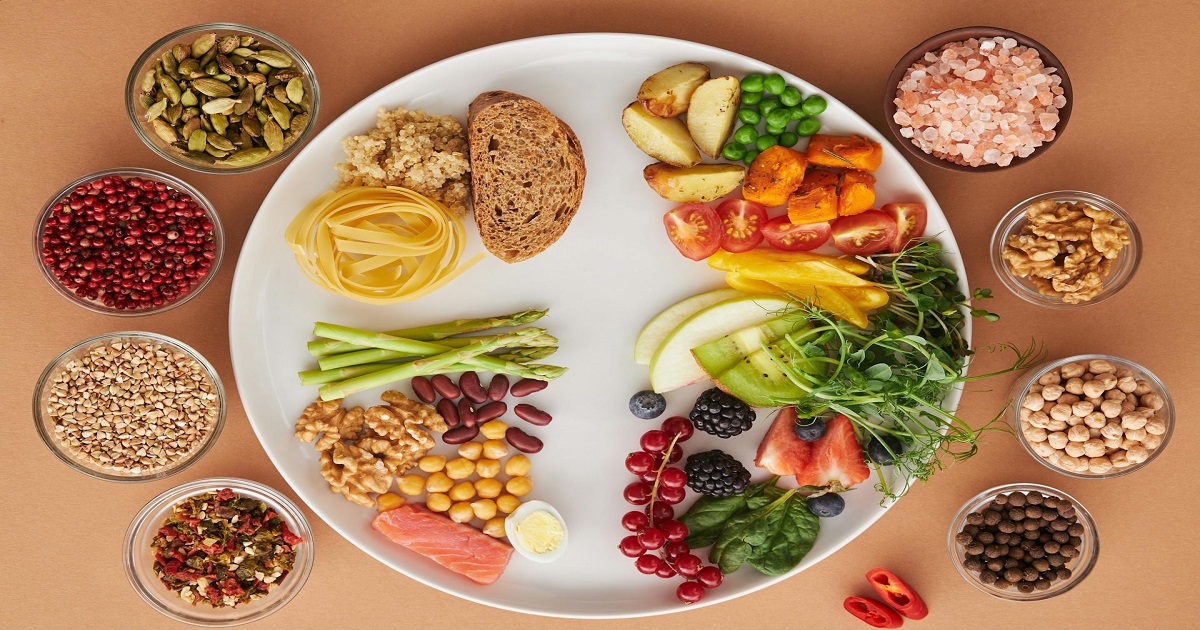
Understanding real examples of healthy foods helps turn advice into action. Instead of rules, people need practical options that fit daily meals. Therefore, variety plays an important role. Exploring different types of healthy foods makes it easier to turn general advice into everyday choices.
Guidance from the Harvard T.H. Chan School of Public Health shows that balanced meals often include vegetables, whole grains, protein, and healthy fats. This approach supports choosing healthy foods for daily diet without strict limitations.
Plant-Based Healthy Foods
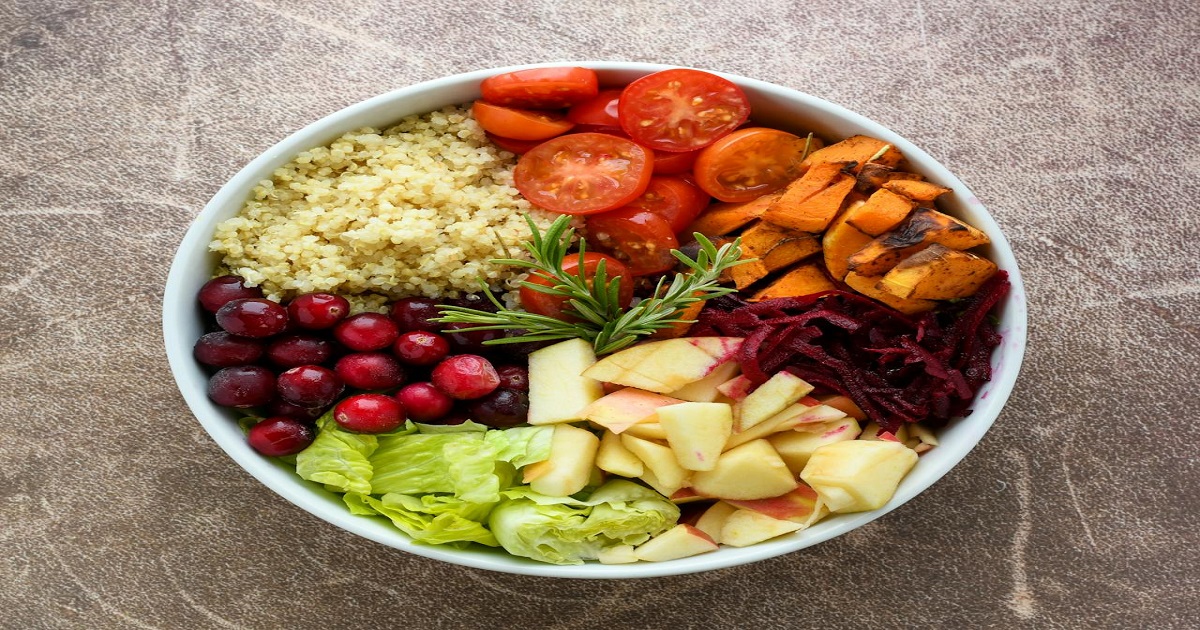
Plant-based foods form the foundation of many healthy eating patterns. Fruits and vegetables in a healthy diet provide fiber, vitamins, and natural compounds. In addition, they add color and flavor to meals.
Whole grains and legumes support steady energy. Also, they help maintain fullness for longer periods. These foods fit easily into regular home-cooked meals.
Protein-Rich Healthy Foods
Protein helps support normal body structure and function. Healthy protein sources include legumes, nuts, seeds, dairy, eggs, and lean animal foods. Each option contributes different nutrients.
Choosing a mix of protein sources adds balance. Furthermore, it allows meals to remain flexible and culturally familiar. This variety supports long-term consistency.
Healthy Fats and Traditional Foods
Not all fats are the same. Healthy fats from nuts, seeds, fish, and plant oils play a role in normal body processes. When used moderately, they support flavor and satisfaction.
Many traditional diets naturally include these fats alongside whole foods. Because of this, traditional meal patterns often reflect balance rather than restriction.
Healthy Food vs Unhealthy Food

The difference between whole foods vs processed foods often lies in ingredients and preparation. Whole foods stay closer to their natural form. In contrast, ultra-processed foods usually contain added sugars, salts, and artificial flavors.
Visual guidance from MyPlate helps show how balanced meals differ from highly processed eating patterns. This makes comparisons easier to understand in daily life.
Nutritional Quality Comparison
The nutritional value of foods depends on how much nourishment they provide relative to calories. Whole foods usually offer more fiber and essential nutrients. However, ultra-processed foods often provide calories with limited nutritional support.
Over time, this difference influences how the body responds to meals. Therefore, choosing foods with higher nutritional value supports everyday comfort and balance.
Common Myths About Healthy Food
Many people feel confused about nutrition because of healthy food myths shared online and offline. These ideas often sound convincing but lack practical context. As a result, people hesitate to make simple improvements.
One widespread belief is that healthy food always tastes bland. However, flavor often depends on preparation, not ingredients. Spices, herbs, and cooking methods can make healthy meals enjoyable.
Another issue comes from common misconceptions about healthy eating being presented as strict rules. Besides that, marketing messages often blur the difference between convenience and nourishment. Understanding these myths helps people make calmer, informed choices.
How Beginners Can Start Eating Healthy
Starting a healthier routine does not require drastic changes. For many people, healthy food for beginners means learning small, repeatable steps. Therefore, progress feels realistic and manageable.
Knowing how to start eating healthy begins with understanding food basics. Reliable guidance from Nutrition.gov explains food groups and portion balance in simple terms. This helps beginners build confidence without pressure.
Simple habits matter more than perfection. Besides, focusing on consistency makes healthy choices easier to maintain over time.
Build Balanced Meals at Home
Home meals offer better control over ingredients and portions. A balanced diet usually includes vegetables, grains, protein, and healthy fats in reasonable amounts. This approach supports variety without strict rules.
Planning meals ahead can reduce reliance on packaged foods. Furthermore, cooking at home encourages mindful eating and familiar routines. Over time, these habits make healthy eating feel natural rather than forced.
Important Considerations
Nutritional needs and food preferences vary between individuals based on age, lifestyle, and dietary patterns. Foods discussed in this article are intended to support general nutrition awareness and should be consumed as part of a varied and balanced diet. Individual needs may differ, and no single food or eating pattern is suitable for everyone.
Conclusion: Why Healthy Food Is a Long-Term Investment
Healthy food choices shape daily experiences as well as future outcomes. Small decisions made at each meal often add up in meaningful ways. Therefore, consistency matters more than perfection.
Over time, routines built around balanced meals support stability and comfort. Healthy eating over time helps people stay active, focused, and better prepared for everyday demands. These effects grow gradually and feel more natural with practice.
Healthy food is not a short-term solution. Instead, it represents a long-term health investment that supports normal body function across different life stages. Besides that, it encourages habits that are easier to maintain than strict rules.
When people understand food and use it wisely, eating becomes supportive rather than stressful. In the long run, this approach helps build a healthier relationship with food and with daily life itself.
Disclaimer:
This article is for informational purposes only and does not provide medical or nutritional advice. It is not intended to replace professional guidance. For personal dietary or health-related concerns, consult a qualified professional.