


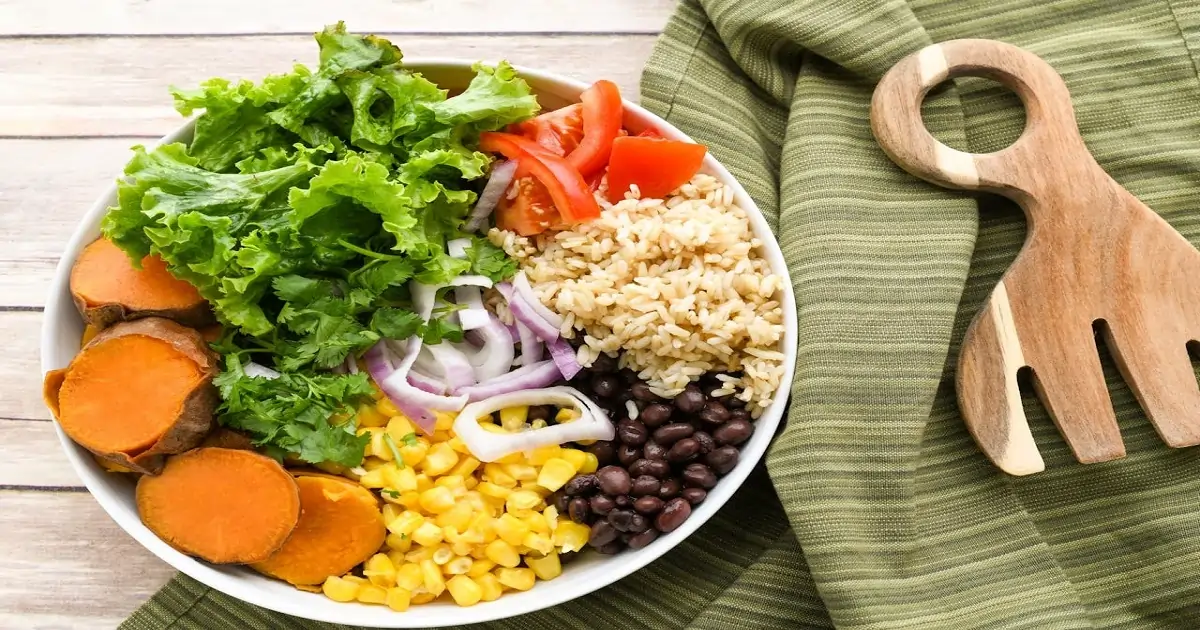
Planning meals often feels harder than choosing healthy foods. Many people know what to eat, yet daily routines still fall apart. This is where healthy meal planning becomes useful. It works as a support system rather than a strict set of rules, helping organise meals without pressure or perfection.
Understanding nutrition can be helpful, but applying it consistently to daily food choices is often more challenging. Without a clear structure, even good intentions fade. A balanced eating routine makes decisions easier and reduces last-minute stress around meals.
Healthy meal planning focuses on balance, flexibility, and consistency. It allows room for busy days, changing schedules, and personal preferences. Meals do not need to look perfect to be nourishing.
When planning supports real life, it becomes part of long-term eating patterns. Over time, small, organised choices help build steady and sustainable habits.
What Meal Planning Means in a Balanced Diet
Meal planning in a balanced diet is about organisation, not control. It focuses on how meals fit into daily life rather than following strict rules. By deciding some choices in advance, planning helps reduce stress during busy days and makes everyday eating feel more manageable.
Many people confuse meal planning with dieting. Diets often rely on rigid rules and timelines, while meal planning allows flexibility. Meals can shift with changing schedules without guilt or a sense of failure. This is why planning feels supportive rather than restrictive.
Healthy meal planning also places emphasis on food quality. Choosing nourishing options matters more than creating perfect meals. When meals are planned ahead, balanced choices become easier, and last-minute reliance on less suitable options is reduced.
Consistency is another key part of planning. This does not mean eating the same foods every day. Instead, it means having a loose structure that guides decisions. Over time, this consistency supports routines where balanced meals fit naturally into everyday life.
When people ask what makes a meal plan healthy, the answer is simple. Healthy planning supports balance, variety, and sustainability. For readers interested in the role of food quality in everyday choices, see what healthy food means in daily life.
Core Principles of Meal Planning for a Balanced Diet
Meal planning works best when guided by simple principles. These principles keep meals practical and balanced while reducing pressure around everyday food decisions.
Public health guidance consistently highlights balanced eating as part of overall well-being. Ideas such as variety across meals, regular eating patterns, and sensible portions reflect widely accepted approaches to balanced planning.
When meal planning follows these principles, structure supports flexibility rather than restriction. Over time, this approach encourages consistency and helps balanced eating fit naturally into daily life.
Prioritising Food Quality Over Perfection
Food quality matters more than perfect choices. Whole foods generally provide more nutrients than highly processed options, but perfection is not realistic in everyday life. Effective planning allows room for convenience foods when needed.
Balanced eating improves when meals include mostly nourishing ingredients. Planning helps keep these foods available, making better choices easier during busy days. Occasional processed foods do not disrupt overall balance.
Focusing on food quality reduces pressure and frustration. Over time, this approach supports confidence, consistency, and long-term habits.
Building Meals Around Balance, Not Restrictions
Balanced meals include a mix of food groups rather than strict limits. No single food defines health. Planning encourages variety, which supports overall nutrition and satisfaction.
Labeling foods as “good” or “bad” often backfires. Balance allows flexibility, making meals more enjoyable and less stressful. Variety also helps reduce cravings and supports steady routines.
Planning meals around balance aligns with everyday food choices commonly discussed in types of healthy foods you can eat every day, helping structure meals without rigid rules.
Planning for Real Life, Not Ideal Days
Daily life rarely follows perfect schedules. Work, travel, and social events often change plans. Meal planning works best when it adapts rather than breaks during these moments.
Planning ahead supports busy days. Simple meals, leftovers, and flexible options save time. Eating out can still fit into balanced planning, as choices adjust while overall patterns remain steady.
When planning reflects real life, it becomes sustainable. A flexible structure supports better decisions without added stress, keeping meal planning practical and achievable within a long-term approach to balanced everyday eating.
How to Plan Balanced Meals Without Following a Diet Plan
Planning balanced meals does not require strict rules or fixed schedules. Instead of following a preset diet plan, meal planning works best as a flexible method that helps organise choices ahead of time. The focus stays on how meals are put together across the week, not on perfect execution at every meal.
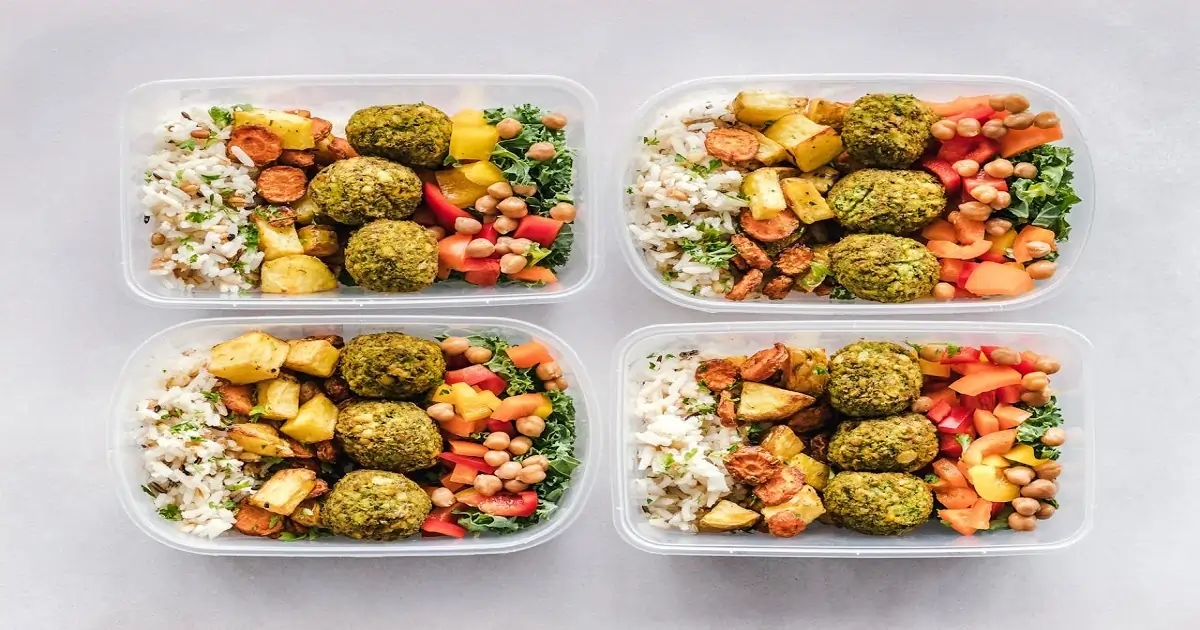
Balanced meal planning starts with awareness rather than measurement. Meals feel more satisfying when different food groups are included regularly. Having a simple visual balance framework in mind makes decisions easier without relying on counting, tracking, or rigid rules.
Rather than asking which diet plan is healthiest, a more useful question is what makes meals easy to repeat in daily life. Structure, variety, and flexibility support eating patterns that last longer than short-term plans.
Using Simple Balance Cues in Planning
Simple balance cues help guide planning without overthinking. Instead of exact portions, many people find it helpful to think about including a range of foods when planning meals ahead. This keeps planning practical and reduces decision fatigue.
Visual frameworks are sometimes used to explain balance, but meal planning does not require applying them in detail. Readers interested in visual explanations of meal balance can explore how to start and balance meals every day, while keeping meal planning focused on organization rather than measurement.
Matching Meals to Daily Energy Needs
Energy needs vary from day to day. Busy workdays may benefit from more structured meals, while lighter days often feel better with simpler options. Planning meals with this variation in mind helps meals match real needs.
Listening to hunger and fullness cues supports better planning decisions. Some days call for fuller meals, while others feel comfortable with lighter choices. This flexibility allows meals to adjust naturally without rules or restriction.
Balanced planning responds to activity levels and daily routines. When meals adapt in this way, planning remains supportive instead of rigid, helping healthy eating fit into everyday life without relying on a single diet approach.
Daily and Weekly Meal Planning in a Simple Way
Meal planning works best when kept simple. It supports daily routines without creating pressure. The goal is not a perfect schedule, but steady progress through small, manageable steps.
Daily and weekly planning provide helpful structure. They reduce last-minute decisions and make meals easier to manage. Practical approaches to organisation and preparation, as discussed in simple meal planning for everyday meals, support this method.
This approach focuses on habits rather than perfection. It encourages consistency while allowing flexibility. Over time, planning feels easier and more natural, especially when supported by healthy eating habits that support consistency.
Planning Meals One Day at a Time
Daily planning helps reduce overwhelm. Focusing on one day at a time feels more manageable and allows attention to immediate choices.
This method works well for busy or unpredictable schedules. Meals can change without stress, and planning one day ahead supports flexibility without losing control.
Daily planning also supports simple food preparation. It keeps meals realistic and helps maintain steady eating routines, even during hectic days.
Light Weekly Planning for Consistency
Weekly planning does not require strict schedules. Light planning creates a loose structure that supports consistency. Simple themes, such as repeated breakfasts or easy lunch options, work well here.
Aligning groceries with a loose weekly plan helps avoid impulse purchases. It also supports balanced choices without overplanning.
This method shows that structure does not need rigidity. Consistency develops through gentle repetition rather than strict rules.
Keeping Meal Planning Flexible, Not Rigid
Flexibility keeps meal planning sustainable. Plans may change due to work, travel, or social events. Carryover meals help adjust plans without waste.
Leftovers often support busy days by reducing cooking time and decision fatigue. These adjustments help keep routines intact.
Consistency improves when planning stays adaptable. This idea aligns closely with common healthy eating mistakes to avoid, where overly rigid approaches often make eating routines harder to sustain.
Common Meal Planning Mistakes That Disrupt Balance
Meal planning supports balance, but certain planning habits can quietly disrupt it. These issues often begin with good intentions but create stress instead of support. Understanding common planning-related mistakes helps prevent frustration and inconsistent routines.
Many people assume meal planning must be perfect, while others avoid planning altogether. Both extremes weaken balance over time. Awareness helps people adjust early, restoring structure without pressure.
Overplanning and Unrealistic Expectations
Overplanning often begins with high motivation. Planning too many meals or complex recipes quickly becomes difficult to maintain, especially on busy days.
When expectations feel unrealistic, consistency drops. Missed meals lead to frustration, and planning starts to feel like a failure. Balance improves when plans remain simple and flexible.
Planning fewer meals and repeating familiar foods often works best. This approach saves time, reduces stress, and supports steady routines that fit real life.
Skipping Planning Altogether
Avoiding planning may feel freeing at first, but it often leads to rushed decisions and irregular meals. Without structure, skipped meals and convenience choices become more common.
Inconsistent eating affects energy and focus. Over time, balance fades when meals rely entirely on last-minute decisions. These patterns reflect common healthy eating mistakes to avoid, especially when structure is missing.
Even light planning helps. Simple decisions made earlier prevent skipped meals and reduce stress. Small planning steps support balance without control.
Examples of Balanced Meals Without Fixed Meal Plans
Balanced meals do not require strict formulas or fixed templates. In everyday life, balance often comes from combining familiar foods in flexible ways rather than following exact plans.
Across the day, meals usually include a mix of different food types that support satisfaction and energy. The specific choices vary based on preference, availability, and schedule. This flexibility allows meals to adapt without losing balance.
Planning supports this adaptability. When meals are loosely organised in advance, balance becomes easier to maintain even when food choices change. This approach keeps eating patterns consistent without relying on fixed meal plans.
Final Thoughts: Making Meal Planning Work Long Term
Meal planning works best as a support system. It guides choices without controlling them, allowing balance to improve when planning stays flexible and realistic.
Small, repeatable actions matter most. Planning one meal or one day at a time builds confidence. Over time, these habits begin to feel natural.
Consistency matters more than complexity. Simple structures support better decisions, while gradual planning reduces stress and supports long-term eating routines.
Start small and adjust as needed. When planning fits daily life, balanced eating becomes easier to maintain over time.
Disclaimer:
This article is for informational purposes only. It discusses general food-related topics and does not provide medical advice. Nutritional needs vary between individuals, and food choices should be part of a varied and balanced diet. For personal health concerns, consult a qualified professional.