
Many people search for the most nutrient-dense foods. They want to know which food ranks number one. It sounds simple. However, nutrition is rarely that simple.
Some foods look small but offer many vitamins and minerals. Others feel filling yet provide little beyond energy. Therefore, comparing foods by their nutrient value helps you see the bigger picture.
Still, no single food provides every nutrient your body needs. Each food plays a different role in overall nutrition. Leafy greens support vitamin intake. Legumes contribute protein and fiber. Fish is associated with essential fats.
Instead of chasing one perfect food, it helps to compare food groups side by side. This approach supports better understanding and contributes to balanced choices over time.
What Food Is Most Nutrient-Dense?
Many people ask what food is most nutrient-dense. They want one clear answer and often expect a single winner. However, nutrition does not work that way.
Different foods provide different nutrients. Spinach is associated with vitamin K. Lentils contribute plant protein and iron. Salmon supports intake of omega-3 fats. Therefore, nutrient value depends on what you measure.
Instead of searching for a single winner, it helps to compare food groups. Each group plays a role in overall nutrient intake. Together, they help maintain steady coverage across the day.
Is There a Single “Number One” Food?
There is no single food that supplies every essential nutrient. Your body needs vitamins, minerals, protein, fats, and fiber. No one food covers all of them in ideal amounts.
Healthy eating patterns combine foods from several groups. This approach supports balanced nutrient intake over time. The idea is also reflected in healthy eating plate guidance, which highlights variety across food groups.
Nutrient needs also change by age and lifestyle. Therefore, what seems most nutrient-dense for one person may differ for another.
Why Nutrient Density Depends on the Nutrient Measured
Nutrient density depends on which nutrient you examine. A food rich in iron may not be high in vitamin C. Likewise, a fruit high in vitamin C may provide little protein.
This difference explains why rankings often vary. Some lists focus on antioxidants. Others look at protein or fiber. Therefore, the most nutrient-dense food changes with the nutrient measured.
This comparison becomes clearer when viewed alongside what nutrient density means. It helps maintain perspective when evaluating foods across categories.
Most Nutrient-Dense Vegetables
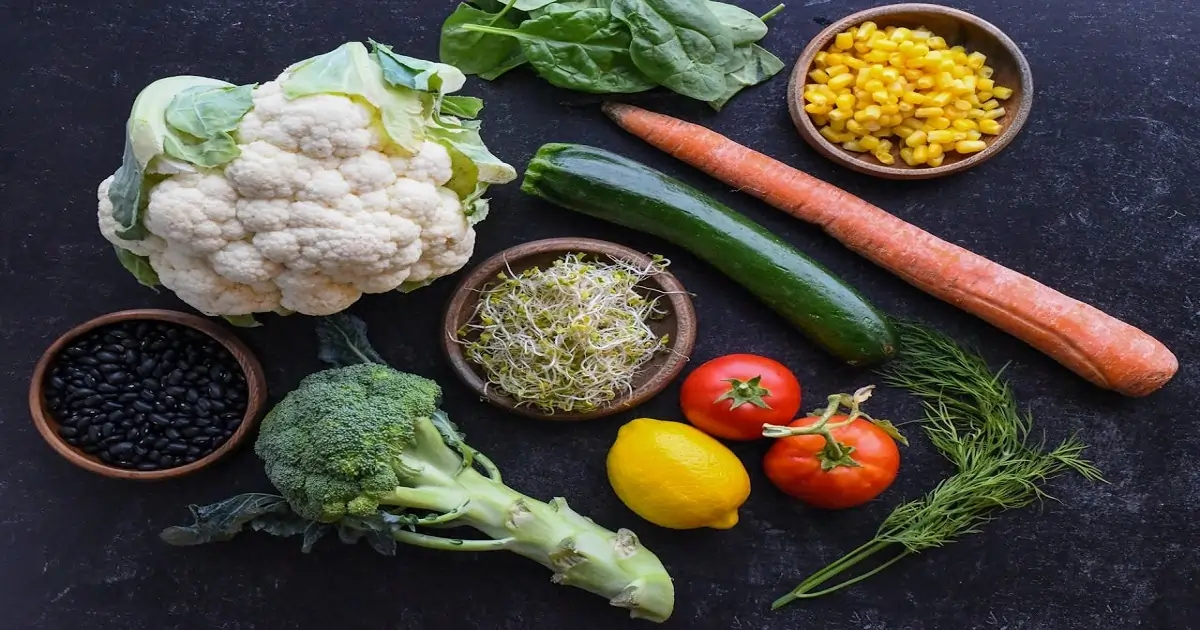
Vegetables are often associated with high nutrient concentration. They provide vitamins, minerals, and plant compounds with relatively few calories. Therefore, they contribute meaningfully to daily intake.
Different vegetables support different needs. Some are rich in folate. Others provide beta-carotene or potassium. Including a range of colors helps maintain balanced coverage.
Leafy Greens
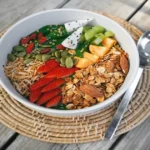
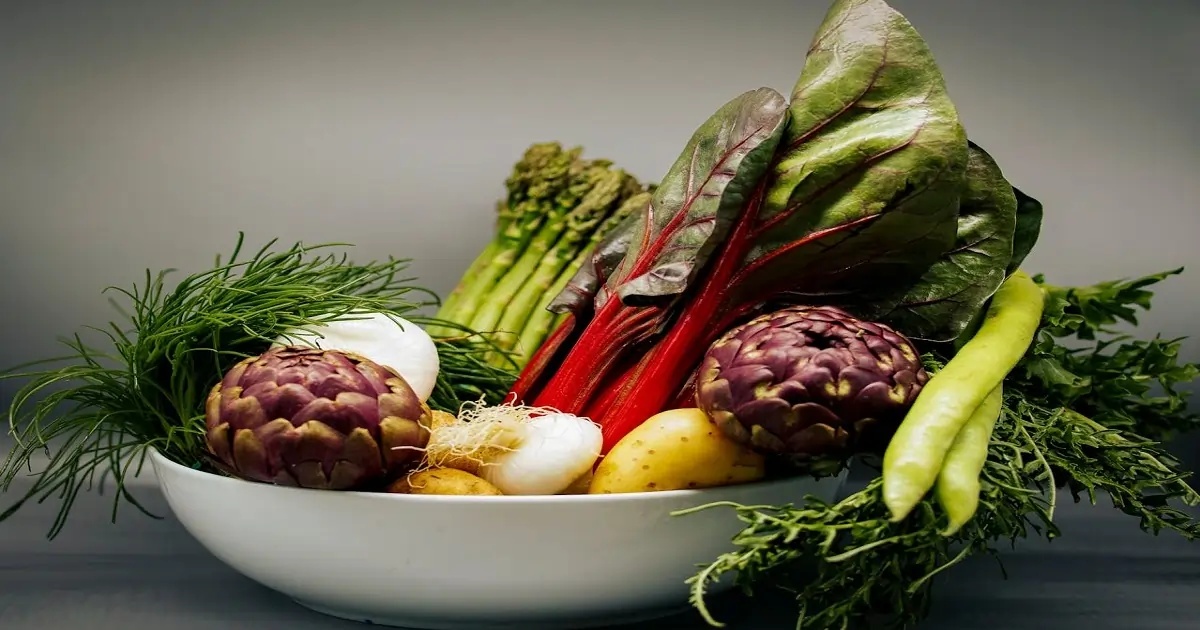
Leafy greens such as spinach, kale, and Swiss chard are among the most nutrient-dense vegetables. They provide vitamin K, folate, and magnesium in small portions. These nutrients are important for normal function and overall balance.
Leafy greens are also associated with fiber and plant compounds. They fit easily into soups, salads, or grain bowls. Broader guidance on vegetables and fruits appears in vegetables and fruits recommendations, which highlight their nutrient value.
Cruciferous Vegetables
Cruciferous vegetables include broccoli, cabbage, and Brussels sprouts. They provide vitamin C, vitamin K, and fiber. These nutrients support normal body processes and contribute to overall diet quality.
These vegetables are also associated with plant compounds. Therefore, adding them regularly plays a role in maintaining nutrient variety. Even moderate portions can support steady intake.
Other Nutrient-Concentrated Vegetables
Carrots, sweet potatoes, and red peppers are rich in colorful pigments. These pigments are associated with antioxidants and vitamin A precursors. They also contribute fiber and potassium.
Such vegetables are part of a balanced diet across many cultures. Including a mix of leafy, cruciferous, and colorful vegetables helps maintain nutrient diversity.
Most Nutrient-Dense Fruits
Fruits are often linked with natural sweetness. However, they also provide fiber, vitamins, and water. Therefore, they contribute more than energy alone.
No fruit ranks as the single healthiest option. Different fruits provide distinct nutrient strengths. Variety plays a role in balanced intake over time.
Berries
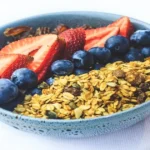
Berries such as blueberries, strawberries, and raspberries are associated with vitamin C and fiber. They also contain plant compounds that contribute to overall nutrient intake.
Because berries are small, they provide meaningful nutrients in modest portions. Adding them to yogurt or oatmeal supports variety within meals.
Citrus Fruits
Citrus fruits include oranges, lemons, and grapefruits. They are rich in vitamin C, which is important for normal function. They also contribute hydration and natural sugars.
Citrus fruits help maintain balanced fruit intake. Besides, they fit easily into snacks or breakfast meals.
Other High-Density Fruits
Fruits like kiwi, guava, and pomegranate provide diverse nutrients. Some are associated with higher vitamin C levels. Others contribute potassium and fiber.
Including different fruits across the week supports nutrient coverage. Therefore, diversity matters more than ranking a single fruit.
Most Nutrient-Dense Protein Sources
Protein foods provide more than protein alone. They also contribute iron, B vitamins, and essential fats. These nutrients play a role in energy use and tissue repair.
Both plant and animal sources can be foods with high nutrient concentration. The key is variety and balance within the overall diet.
Legumes and Plant Proteins
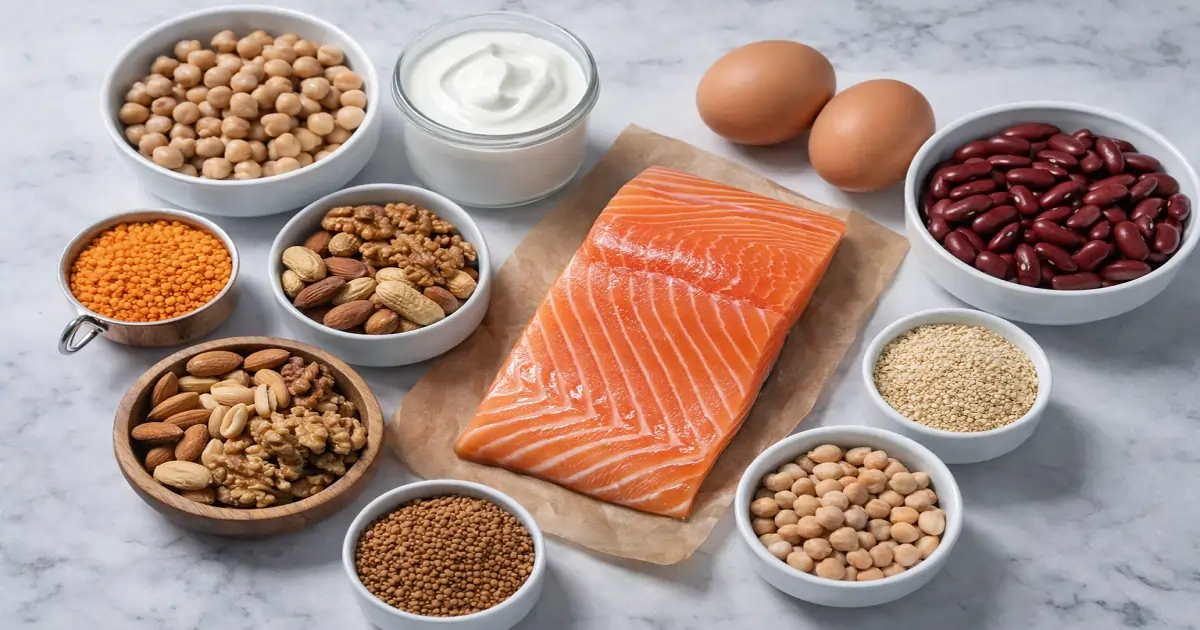
Legumes such as lentils, chickpeas, and black beans provide plant protein and fiber. They are also associated with iron and folate. These nutrients are important for normal function.
Legumes contribute to fullness and steady energy. Therefore, they are part of a balanced diet in many traditional eating patterns.
Eggs and Dairy
Eggs provide high-quality protein and B vitamins. They also contribute choline, which plays a role in brain function. Yogurt and milk are associated with calcium and protein.
These foods support bone health and muscle maintenance. In moderate amounts, they help maintain nutrient balance.
Fish and Lean Animal Proteins
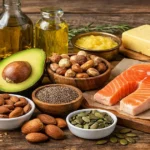
Fish such as salmon and sardines provide protein and omega-3 fats. These fats are associated with heart and brain support. Lean poultry and meats contribute iron and zinc.
These nutrients are important for normal function and immune balance. Including a mix of plant and animal proteins supports overall nutrient coverage within a balanced diet.
Most Nutrient-Dense Whole Grains and Seeds
Whole grains and seeds often receive less attention than fruits or vegetables. However, they contribute key nutrients that support steady energy and overall balance. They are associated with fiber, minerals, and plant compounds. Therefore, they play a role in daily nutrient coverage.
Unlike refined grains, whole grains keep their outer layers. These layers contain fiber and micronutrients important for normal function. Including them regularly helps maintain digestive health and stable energy levels.
Whole Grains
Whole grains include oats, quinoa, brown rice, and whole wheat. They provide fiber, B vitamins, and minerals such as magnesium. These nutrients support energy use and nerve function.
Fiber in whole grains contributes to fullness and helps maintain steady digestion. B vitamins play a role in converting food into usable energy. Therefore, whole grains are part of a balanced diet in many cultures.
Quinoa also contributes plant protein. Oats are associated with soluble fiber. Including a mix of grains across meals supports nutrient variety and long-term balance.
Nuts and Seeds
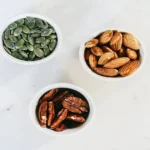
Nuts and seeds may be small, yet they are nutrient-rich. Almonds, chia seeds, flaxseeds, and pumpkin seeds provide fiber and minerals. They are also associated with healthy fats that support normal function.
Magnesium and zinc found in seeds play a role in immune support. Furthermore, plant compounds in nuts contribute to overall nutrient intake.
Even small portions can contribute meaningful nutrients. When added to yogurt, salads, or grains, they help maintain balance and variety within meals.
Top 10 Nutrient-Dense Foods Across Categories
Many people ask for a simple list. However, no single food ranks first in every nutrient. Instead, a cross-category view helps maintain perspective.
These foods are associated with strong nutrient profiles across different groups. These are often listed among the most nutrient-packed foods because they contribute meaningful vitamins, minerals, and beneficial fats.
- Spinach
- Broccoli
- Blueberries
- Oranges
- Lentils
- Chickpeas
- Salmon
- Eggs
- Quinoa
- Almonds
Each food contributes different vitamins, minerals, or beneficial fats. For example, spinach supports vitamin K intake. Lentils contribute iron and fiber. Salmon is associated with omega-3 fats.
Together, these foods illustrate how nutrient density appears across categories. Including a variety of them plays a role in balanced eating patterns.
What Foods Are Not Nutrient-Dense?
Some foods provide energy but few essential nutrients. These foods are often high in added sugars or refined ingredients. Therefore, they contribute calories without meaningful micronutrient value.
Sugary drinks, candies, and many packaged snacks are examples. They may taste appealing, yet they offer limited vitamins or minerals. Such foods are associated with quick energy rather than steady nourishment.
Refined grain products can also provide fewer nutrients than whole versions. In addition, foods high in added fats may contribute energy without supporting nutrient balance.
This does not mean these foods must be avoided completely. However, they play a smaller role in overall nutrient coverage. Choosing nutrient-rich options more often helps maintain balance as part of a balanced diet.
Special Consideration: Nutrient-Dense Foods During Pregnancy
Pregnancy increases nutrient needs. The body works harder to support growth and development. Therefore, food choices play an important role during this stage. Practical guidance on balanced pregnancy nutrition appears in pregnancy nutrition recommendations.
Iron-rich foods such as lentils, beans, spinach, and lean meats support healthy blood levels. Iron is important for normal function and oxygen transport. Including these foods helps maintain steady intake.
Folate also plays a role in early development. Leafy greens, legumes, and citrus fruits contribute natural folate. These foods are part of a balanced diet and support nutrient coverage.
DHA, an omega-3 fat found in fatty fish, is associated with brain development. In addition, high-quality protein from eggs, dairy, fish, and legumes contributes to tissue growth. Combining these foods supports balanced nourishment during pregnancy.
Why Variety Matters More Than a Single “Best” Food
It is tempting to search for one perfect food. However, no single item provides every nutrient in ideal amounts. Each food contributes something different.
Spinach supports vitamin K. Lentils contribute iron and fiber. Fish is associated with omega-3 fats. Therefore, combining foods improves the overall nutrient profile.
Balanced selection plays a role in long-term nutrition. When different food groups appear regularly, they help maintain steady coverage of vitamins and minerals.
A broader perspective on evaluating foods in context appears in nutrient density and food quality. This view supports thoughtful choices within everyday eating patterns.
Conclusion
There is no universal number one food. Nutrient density varies across vegetables, fruits, proteins, grains, and seeds. Each category contributes unique vitamins, minerals, and beneficial compounds.
Leafy greens support micronutrient intake. Legumes contribute protein and fiber. Fish plays a role in providing essential fats. Whole grains help maintain steady energy.
When these foods are combined, they support balanced nutrition. Variety contributes to broader nutrient coverage over time.
Instead of chasing a single “best” option, focusing on diverse choices helps maintain stability. Over time, this approach becomes part of a balanced diet that supports overall well-being.
Disclaimer:
This article is for informational purposes only. It discusses general food-related topics and does not provide medical advice. Nutritional needs vary between individuals, and food choices should be part of a varied and balanced diet. For personal health concerns, consult a qualified professional.