


You may hear the term nutrient density when people talk about healthy food. However, the meaning is not always clear. Some foods look filling but offer little nutrition. Others provide many vitamins and minerals in small portions. Therefore, understanding this concept helps you see food beyond calories.
For example, two snacks can contain similar energy. Yet one may contribute more vitamins and minerals. This difference is linked to nutrient concentration. Besides, nutrient density plays a role in overall diet quality. It helps maintain steady nutrient intake over time.
To understand why it matters in everyday eating, the term itself needs a clear definition.
What Is the Meaning of Nutrient Density?
Nutrient density describes how much nutrition a food provides relative to its calorie content. This idea helps separate food quality from portion size alone. Therefore, understanding the term clearly creates a strong foundation for evaluating different foods.
What Is Nutrient Density?
Nutrient density refers to the amount of vitamins, minerals, protein, fiber, and other beneficial nutrients in a food compared to its calorie content. A nutrient-dense food provides more essential nutrients per calorie. Therefore, it contributes to nutrient intake without adding excessive energy.
This concept focuses on quality rather than size. Foods high in nutrient density support normal body function and help maintain steady nutrient intake. A similar definition appears in the National Cancer Institute’s explanation of nutrient-dense foods, which describes foods rich in vitamins and minerals relative to calories.
Breaking Down the Term Nutrient and Density
The word nutrient describes substances in food that the body needs for normal function. These include vitamins, minerals, protein, healthy fats, and fiber. Each plays a role in growth, repair, and energy use.
Density means concentration. In food, it refers to how tightly packed those nutrients are compared to the energy provided. Therefore, nutrient density is about concentration, not just quantity. A smaller portion can still contribute meaningful nutrition.
The Nutrients-Per-Calorie Concept
At the core of nutrient density is a simple principle: nutrients in relation to calories. This relationship helps explain why some foods contribute more beneficial components per serving. Therefore, looking at nutrients per calorie offers a clearer view of food value.
Why Calories Alone Do Not Tell the Full Story
Calories measure energy. The body uses this energy for movement, breathing, and daily tasks. However, energy alone does not explain how nourishing a food is.
Nutrients support many internal processes. They are important for normal function and overall balance. Therefore, a food that provides energy but few nutrients may not contribute much beyond calories.
When people focus only on calorie numbers, they may miss the bigger picture. Nutrient density shifts attention toward how much nutrition a food contributes relative to its energy.
Understanding Concentration in Foods
Imagine two snacks with similar calorie counts. One contains vitamins, minerals, and fiber. The other provides mostly added sugars and refined fats.
Both supply energy. Yet one contributes more beneficial nutrients. This difference reflects concentration. Therefore, nutrient density helps explain why foods with similar calories can vary in overall value.
A small serving of leafy greens may provide several key nutrients. Meanwhile, a larger serving of another food may offer mainly energy. The contrast highlights how concentration shapes food quality.
Why Nutrient Density Matters in Everyday Eating
Nutrient density is not just a technical term. It plays a role in how foods contribute to daily nutrition. Therefore, understanding its importance helps maintain awareness of overall diet quality.
Supporting Overall Nutrient Coverage
The body needs a wide range of nutrients each day. These nutrients support immunity, bone health, and energy production. Therefore, choosing foods rich in nutrients helps maintain steady intake.
When foods contribute more nutrients per calorie, they play a role in meeting daily needs. Besides, they are associated with better overall diet quality. This idea aligns with guidance from the American Heart Association’s overview of nutrient-dense foods, which emphasizes foods rich in vitamins and minerals relative to calories.
Over time, steady intake supports normal function. It also helps maintain balance without focusing only on numbers.
Nutrient Density and Food Quality Perspective
Food quality often reflects how nourishing a food is. Nutrient density plays a central role in that evaluation. It helps identify foods that contribute meaningfully to daily nutrition.
Within the broader framework of nutrient density and food quality, this concept becomes a guiding lens. It supports thoughtful choices while remaining part of a balanced diet.
Rather than strict rules, nutrient density offers clarity. It helps maintain awareness of how foods contribute to overall nutrition. Therefore, it serves as a practical foundation for understanding everyday eating patterns.
What Foods Are High in Nutrient Density?
Foods high in nutrient density provide meaningful vitamins, minerals, and other beneficial compounds relative to their calories. These foods contribute more nutrition per serving. Therefore, even small portions can support normal body function.
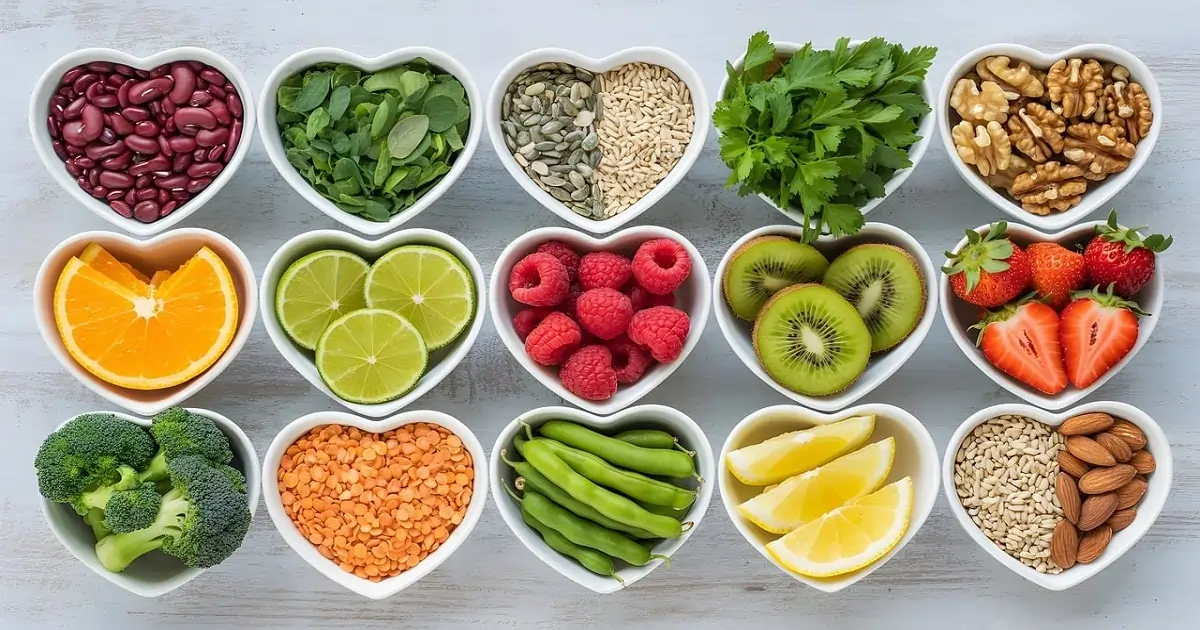
They are often associated with natural sources of fiber, protein, and healthy fats. Besides, many of them are part of a balanced diet across cultures. The key idea is concentration. The focus stays on how much nourishment a food contributes.
Examples Across Food Categories
Leafy green vegetables such as spinach and kale provide vitamins and minerals with relatively few calories. They support normal function and contribute to steady nutrient intake.
Legumes like lentils and chickpeas contain fiber, plant protein, and important micronutrients. They help maintain fullness and contribute to balanced eating patterns.
Nuts and seeds offer healthy fats, minerals, and plant compounds. Although energy-rich, they are associated with valuable nutrient content.
Many fruits, including apples, oranges, and berries, contribute vitamins, fiber, and water. They support hydration and overall nutrient coverage.
Lean protein sources such as beans, yogurt, eggs, or fish provide protein and essential nutrients. They play a role in tissue repair and daily energy balance.
What Is the Most Nutrient-Dense Fruit?
There is no single fruit that fits every situation. However, berries are often associated with high nutrient concentration. They provide fiber, vitamin C, and plant compounds in modest portions.
Citrus fruits also contribute vitamin C and other nutrients important for normal function. Therefore, different fruits support health in different ways. Variety helps maintain balanced nutrient intake over time.
Common Misunderstandings About Nutrient Density
Many people think nutrient-dense foods must be very low in calories. However, this is not always true. Some foods provide both energy and valuable nutrients. Nuts are one example.
Another common belief links nutrient density only to dieting. In reality, it reflects concentration, not restriction. It focuses on how much nourishment a food contributes.
Nutrient density plays a role in evaluating food quality. It does not label foods as strictly good or bad. Instead, it helps maintain awareness of nutritional contribution within overall eating patterns.
Which Foods Are Lowest in Nutrient Density?
Foods high in added sugars or refined fats often provide calories with fewer essential nutrients. They may contribute energy but offer limited vitamins or minerals.
These foods can still be part of a balanced diet in moderation. However, they play a smaller role in supporting overall nutrient coverage.
Nutrient Density as a Foundational Food Concept
Nutrient density provides a clear lens for evaluating food quality. It shifts attention from calories alone to overall nutrient contribution. Therefore, it helps maintain a broader perspective on eating patterns.
This concept supports thoughtful food awareness without strict rules. It plays a role in recognizing which foods contribute meaningfully to daily needs.
Over time, understanding nutrient density helps maintain balanced choices. It becomes part of a balanced diet framework that values nourishment alongside energy.
Final Thoughts
Nutrient density offers a simple way to understand food quality. It shifts attention from calories alone to the nutrients that support normal function. Therefore, it helps maintain a clearer view of how foods contribute to daily needs.
This concept does not label foods as good or bad. Instead, it highlights concentration and overall contribution. Besides, it plays a role in shaping balanced eating patterns over time.
When you understand nutrient density, you gain a practical lens for evaluating food choices. It becomes part of a balanced diet and supports steady, thoughtful nutrition awareness.
Disclaimer:
This article is for informational purposes only. It discusses general food-related topics and does not provide medical advice. Nutritional needs vary between individuals, and food choices should be part of a varied and balanced diet. For personal health concerns, consult a qualified professional.