


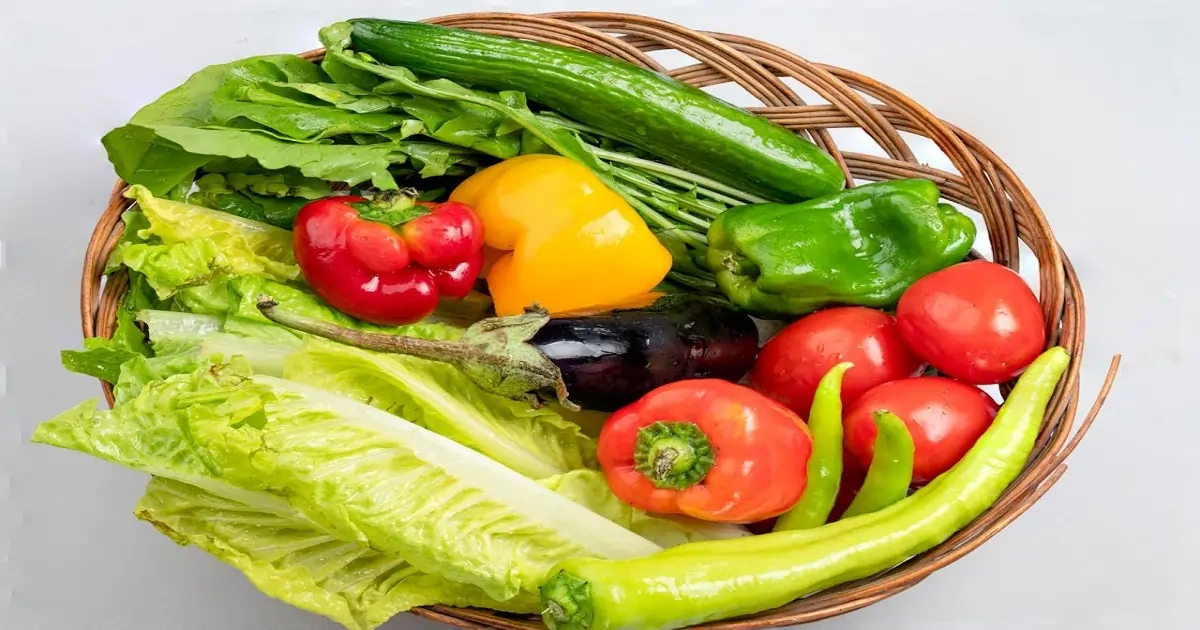
Vegetables in nutrition play an important role in supporting overall health. They provide vitamins, minerals, and fiber that the body needs each day. These nutrients help maintain normal function and support everyday activities.
Vegetables also come in many forms. Leafy greens, roots, and colorful varieties all contribute different nutrients. Because of this diversity, including a range of vegetables in meals is important for a balanced diet.
In daily eating, vegetables are easy to include. They can be eaten raw, cooked, or mixed into dishes. Therefore, understanding their dietary importance helps in making better food choices.
Types of Vegetables in Nutrition
Vegetables are often grouped based on how they look and how they are used in meals. This practical grouping helps in choosing a mix of vegetables for daily intake. It also connects with broader food classification systems seen in broader food classification systems.
Different types of vegetables contribute different nutrients. Therefore, including a variety helps maintain better balance in everyday eating. Each type plays a role in adding texture, color, and nutrition to meals.
Leafy Vegetables
Leafy vegetables are soft and usually green. Common examples include spinach, lettuce, and cabbage. These vegetables are associated with vitamins like A and K.
They also contain iron and fiber. Because of this, they help maintain normal body function. They are often eaten raw in salads or lightly cooked.
Besides, leafy vegetables are easy to include in daily meals. They contribute to hydration due to their high water content. This makes them part of a balanced diet.
Root and Tuber Vegetables
Root and tuber vegetables grow under the soil. Examples include carrots, potatoes, and beets. These vegetables are associated with carbohydrates and certain vitamins.
They provide energy and help maintain daily activity levels. Cooking methods such as boiling, roasting, and steaming are commonly used.
Furthermore, they add variety in texture and taste. Including them in meals contributes to balanced eating patterns.
Cruciferous Vegetables
Cruciferous vegetables include broccoli, cauliflower, and cabbage. They have a firm texture and mild flavor. These vegetables are associated with fiber and vitamin C.
They help maintain digestion and contribute to nutrient intake. They are often used in cooked dishes like stir-fries and curries.
Besides, they add structure and variety to meals. This supports better dietary diversity over time.
Other Common Vegetable Categories
Some vegetables do not fit into a single category. These include beans, peas, and bell peppers. They are widely used in different cuisines.
They contribute vitamins, minerals, and fiber. Therefore, they play a role in maintaining balanced meals. Including these vegetables helps increase variety and nutrient intake.
Nutritional Value of Vegetables
Vegetables provide a wide range of essential nutrients. These include vitamins, minerals, fiber, and water. Each of these components plays a role in supporting normal body function.
Vitamins such as A, C, and K are commonly found in vegetables. Vitamin A supports vision, while vitamin C contributes to immune function. Vitamin K is important for normal body processes.
Minerals like iron and potassium are also present. Iron helps maintain normal blood function, while potassium supports fluid balance. These minerals are important for daily activities, based on nutrient data for raw vegetables.
Fiber is another key component. It helps maintain digestion and contributes to gut health. Besides, fiber supports regular eating patterns.
Vegetables also contain high water content. This helps maintain hydration and supports overall balance in the body. Because of this, vegetables are important in everyday meals.
Different vegetables provide different nutrients. Therefore, including a variety helps maintain better nutritional balance. This makes vegetables a valuable part of a balanced diet.
Vegetable Nutritional Value per 100g
Nutritional values per 100g help compare vegetables easily. This method shows how each vegetable contributes to daily intake. It also supports better portion understanding.
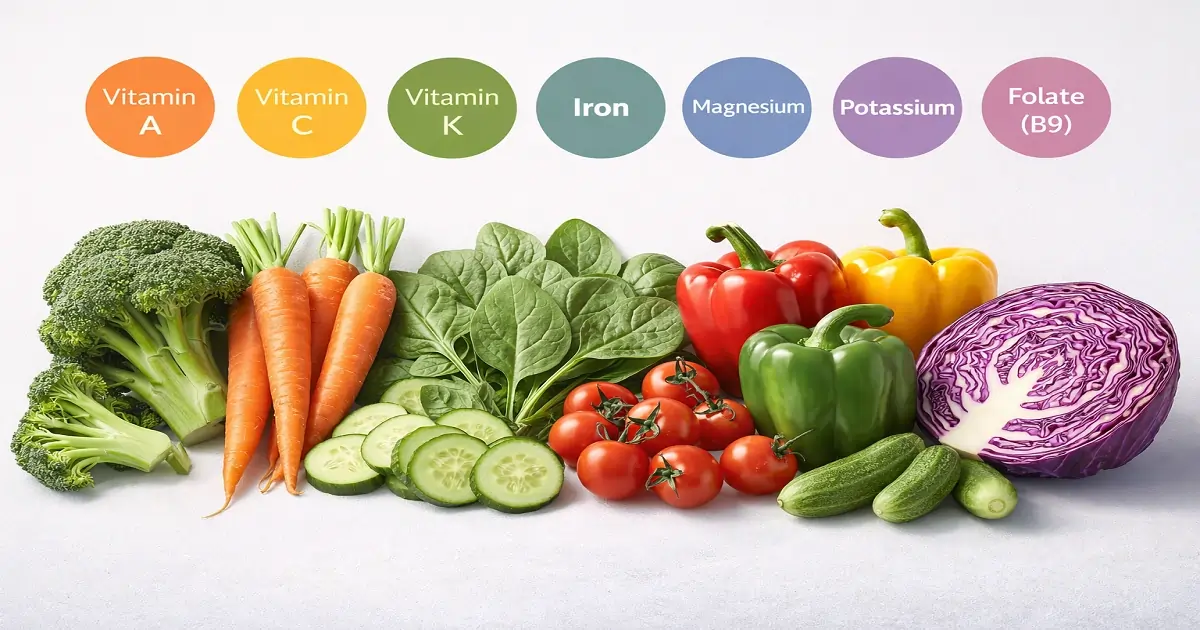
Below is a simple table of common vegetables:
| Vegetable | Calories | Key Nutrients |
| Spinach | 23 Kcal | Iron, Vitamin A |
| Carrot | 41 Kcal | Beta-carotene |
| Broccoli | 34 Kcal | Vitamin C, Fiber |
| Tomato | 18 Kcal | Vitamin C, Water |
| Potato | 77 Kcal | Carbohydrates, Potassium |
Spinach is low in calories and associated with iron. Carrots are known for beta-carotene. Broccoli contributes fiber and vitamin C.
Tomatoes have high water content and support hydration. Potatoes provide energy through carbohydrates. Each vegetable plays a role in daily intake.
This chart helps in comparing nutrients quickly. Therefore, it supports better food choices and balanced eating.
Why Vegetables Are Important in the Diet
Vegetables play a role in maintaining overall dietary balance. They provide nutrients that support normal body function. These nutrients are important for everyday activities and internal processes.
One key benefit is their role in digestion. Vegetables contain fiber, which helps maintain smooth digestion. It also contributes to gut health and supports regular bowel movement.
Besides, vegetables are associated with water content. This helps maintain hydration levels in the body. Proper hydration supports normal function and daily comfort.
Vegetables also contribute vitamins and minerals. These nutrients support different systems in the body. For example, vitamins support normal function, while minerals help maintain internal balance. This is also emphasized in nutrition-based dietary guidance.
Furthermore, vegetables are low in calories compared to many foods. This makes them useful for maintaining energy balance. They add volume to meals without excess intake.
Including vegetables regularly supports dietary variety. Different vegetables contribute different nutrients. Therefore, they help maintain overall nutrient balance.
Because of this, vegetables are considered part of a balanced diet. They support digestion, hydration, and normal body function. Over time, this contributes to better dietary quality.
Top 10 Vegetables to Include in Daily Diet
Including a variety of vegetables helps maintain nutrient balance. Some vegetables are widely used because they contribute important nutrients. These options are easy to include in everyday meals.
- Spinach: Spinach is associated with iron and vitamins. It helps maintain normal body function and supports daily nutrition.
- Carrot: Carrot provides beta-carotene. It contributes to nutrient intake and adds natural sweetness to meals.
- Broccoli: Broccoli contains fiber and vitamin C. It helps maintain digestion and supports overall balance.
- Tomato: Tomato is rich in water and vitamin C. It supports hydration and adds freshness to dishes.
- Cabbage: Cabbage provides fiber and is easy to cook. It contributes to balanced meals and daily intake.
- Cauliflower: Cauliflower is commonly used in cooked dishes. It adds variety and supports nutrient intake.
- Beans: Beans are associated with plant-based nutrients. They help maintain energy and contribute to daily meals.
- Peas: Peas provide fiber and natural nutrients. They support digestion and add texture to dishes.
- Bell Pepper: Bell peppers are colorful and rich in vitamins. They contribute to variety and balanced eating.
- Cucumber: Cucumber has high water content. It helps maintain hydration and is often eaten raw.
Including these vegetables regularly supports a balanced diet. They contribute to nutrient intake and help maintain overall dietary balance.
Fruits and Vegetables in Nutrition: Key Differences
Fruits and vegetables are both important in daily nutrition. They share many similarities, such as vitamins, minerals, and fiber. These nutrients contribute to daily body processes.
However, there are some differences. Fruits are often associated with higher natural sugar content. Vegetables usually contain less sugar and more fiber.
Because of this, vegetables are often used in main meals. Fruits are commonly eaten as snacks or part of lighter dishes. Both play a role in a balanced diet.
Vegetables are often cooked or used in savory dishes. Fruits are usually eaten raw or in sweet preparations. This difference affects how they are included in meals.
Understanding these differences helps maintain variety in food choices. It also supports better balance in nutrient intake.
This comparison also connects with fruit-related nutrition patterns, where similar nutrients are viewed from a fruit perspective.
Common Questions About Vegetables in Nutrition
Many people have simple questions about how vegetables fit into daily eating. These answers help clarify common doubts and make choices easier.
Which vegetable has the best nutritional content?
No single vegetable provides all nutrients. Different vegetables are associated with different benefits. For example, spinach contributes iron, while carrots provide beta-carotene.
Therefore, eating a variety helps maintain better balance. This approach contributes to overall balance over time.
Are raw vegetables better than cooked ones?
Raw vegetables retain certain nutrients and natural fiber. They are often included in salads and simple meals.
However, cooked vegetables are also important. Cooking can improve texture and make some nutrients easier to use. Both forms are part of a balanced diet.
What are low-carb vegetables?
Low-carb vegetables include leafy greens, cucumbers, and bell peppers. These are associated with fiber and water content.
They are light and easy to include in meals. Besides, they contribute to balanced eating without adding excess carbohydrates.
Can you eat vegetables daily?
Vegetables can be included in daily meals. They provide nutrients that support normal body function.
Because of their variety, they fit into different dishes. Regular intake plays a role in digestion and overall balance.
Conclusion
Vegetables are an important part of daily nutrition. They provide vitamins, minerals, fiber, and water that support normal body function. These nutrients contribute to digestion, hydration, and overall balance in the body.
Vegetables in nutrition play a role in maintaining consistent nutrient intake. Different types of vegetables are associated with different nutrients. Therefore, including a variety helps maintain better dietary balance over time.
They are simple to include in everyday meals. From fresh salads to cooked dishes, vegetables fit into many food choices. Regular intake supports long-term consistency and helps maintain overall dietary quality as part of a balanced diet.
Disclaimer:
This article is for informational purposes only. It discusses general food-related topics and does not provide medical advice. Nutritional needs vary between individuals, and food choices should be part of a varied and balanced diet. For personal health concerns, consult a qualified professional.