

How the Body Uses Food
Digestion, nutrient absorption, and energy use work together to support growth, repair, maintenance, and normal body function as part of a balanced diet. Food is broken down into smaller parts, absorbed into the bloodstream, and used throughout the body for energy and daily activity. Nutrients play different roles in supporting body systems, maintaining balance, and helping the body function efficiently. These topics are associated with how the body processes food and uses nutrients to support everyday needs.
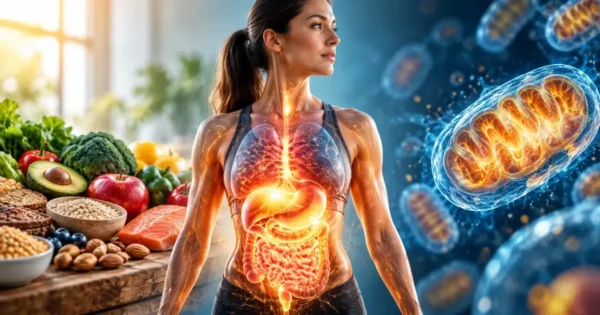
Metabolism Explained: How the Body Uses and Stores Energy
Metabolism is the collection of chemical reactions that keeps your body working. It helps your cells use nutrients, build tissues, and maintain essential...
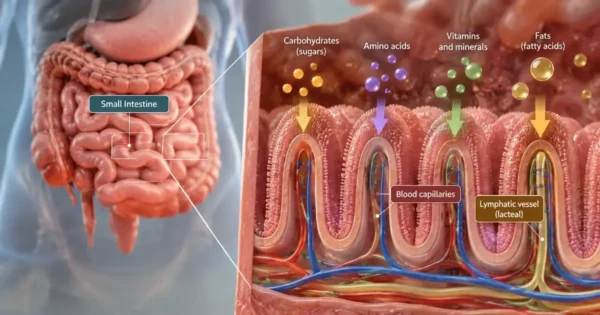
How Nutrients Are Absorbed in the Small Intestine
Nutrient absorption is the process that moves digested nutrients from the intestine into the body. Most absorption takes place in the small intestine,...
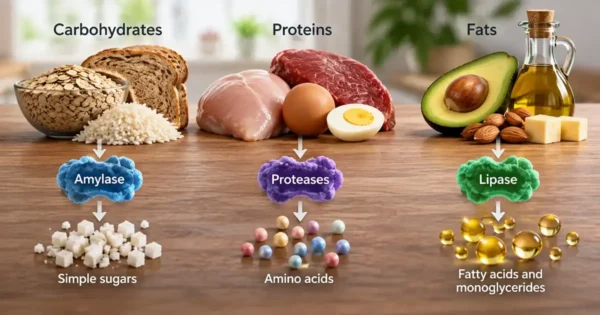
Digestive Enzymes and Their Role in Breaking Down Food
Food contains carbohydrates, proteins, and fats that are often too large for direct absorption. Digestive enzymes help solve this problem by breaking these...
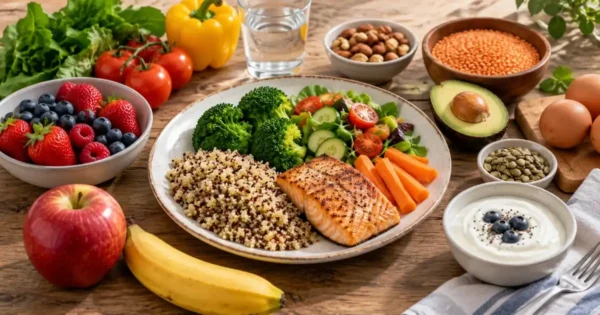
Balanced Diet: Getting the Right Nutrients for Health
Eating enough food does not always mean getting enough nutrients. A diet can provide sufficient calories while still offering limited nutritional variety. A...
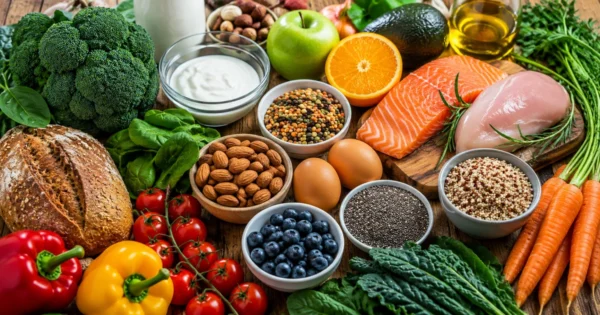
Micronutrients: Why Vitamins and Minerals Are Essential
Micronutrients are needed in small amounts, yet they support many processes essential to normal body function. Vitamins and minerals contribute to areas such...
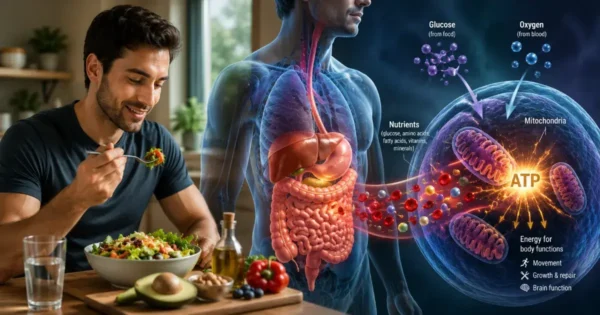
How Food Becomes Energy in the Human Body
Food contains stored chemical energy that supports daily activities and helps maintain normal body function. After eating, the body converts food into usable...
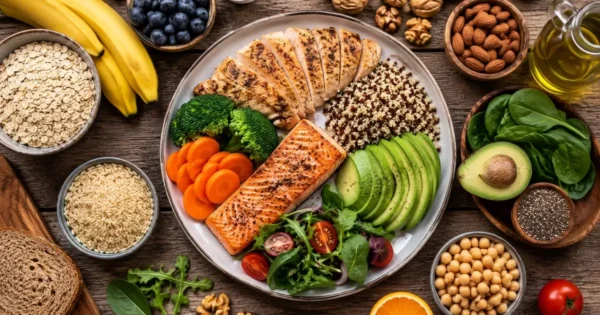
Macronutrients: Carbohydrates, Proteins, and Fats Explained
Macronutrients are nutrients needed in large amounts to support energy, growth, repair, and normal body function. These nutrients help the body produce energy...
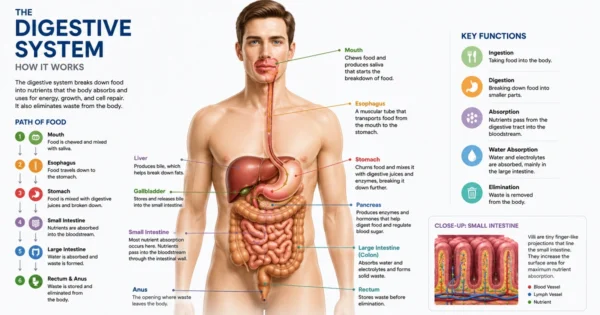
Digestive System: Functions, Organs, and How Digestion Works
The digestive system is the group of organs that breaks down food into nutrients the body can use. The human digestive system helps...
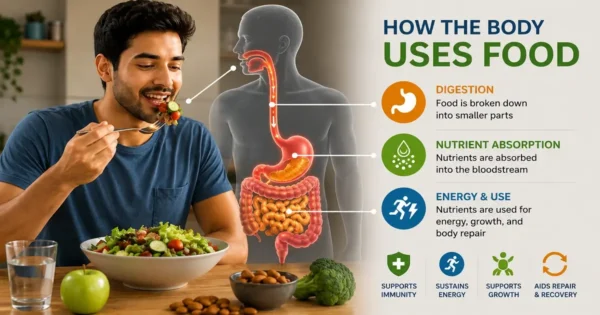
How the Body Uses Food: Digestion, Energy, and Nutrients.
When you eat, your body begins a step-by-step process to use that food. This explains how the body uses food to support daily...


