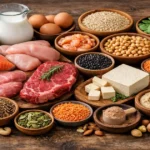


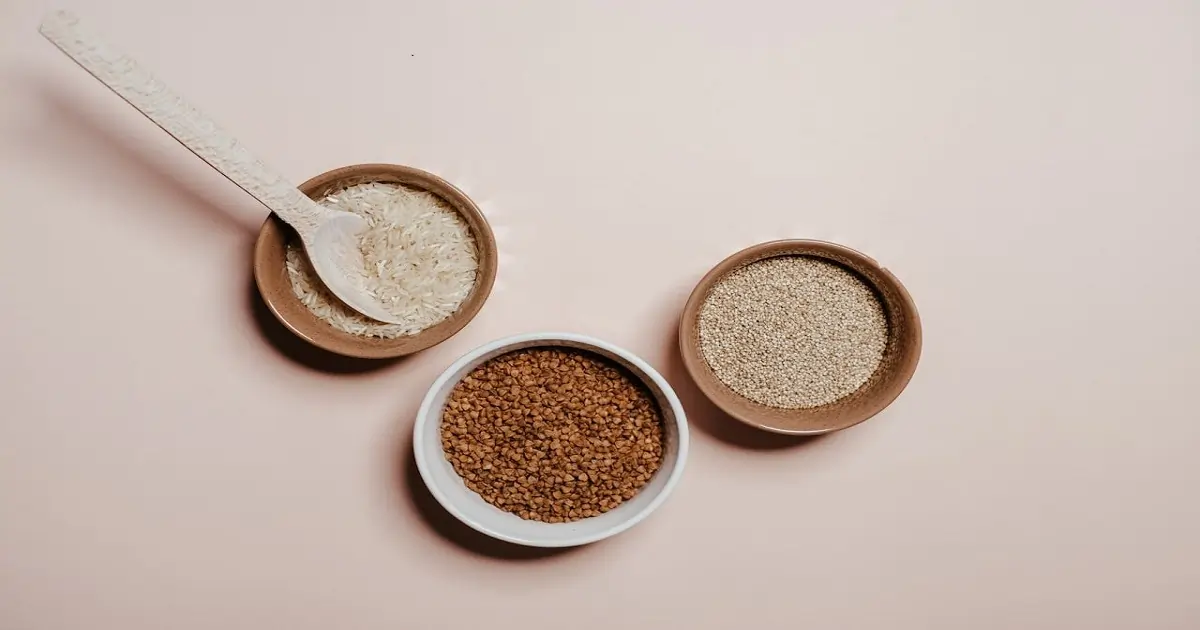
What are grains in nutrition? Grains are edible seeds from grasses like wheat, rice, and maize. They are widely used in daily meals across the world. Because of their versatility, grains appear in foods such as bread, porridge, and rice dishes.
Grain foods play an important role in providing energy for daily activities. They also contribute to fiber intake and support normal body functions. Besides this, grains are part of many traditional diets and cooking styles.
However, not all grains are the same. Some are whole, while others are refined through processing. This difference affects their structure and nutritional value. Therefore, knowing the types of grains becomes important.
Whole grains, refined grains, common examples, and their benefits show how grains fit into everyday food choices.
What Are Grains in Nutrition?
Cereal grains are edible seeds that come from grass plants. These plants belong to the cereal family, which includes wheat, rice, and maize. They are also known as grain foods that form a key part of daily diets, including grain cereal foods. People have used grains as a staple food for thousands of years.
From a nutritional view, grains mainly provide carbohydrates that support energy needs. They also contribute to fiber intake and help maintain normal digestion. Because of this, grains are an important part of everyday meals.
Each grain has three main parts. The outer layer is called bran. It contains fiber and supports digestive health. The middle layer is the endosperm, which provides energy. The smallest part is the germ, which contributes to overall nourishment.
Together, these parts form a complete grain. However, processing can change this structure. Therefore, understanding grain structure helps explain how different types of grains affect food choices.
Grains are used in many forms, such as flour, rice, and cereals. They are also associated with traditional diets across different regions.
Types of Grains in Nutrition
Grains are mainly grouped into two types based on their structure. These are whole grains and refined grains. This classification depends on how much of the grain remains after processing.
Understanding these types helps maintain better food choices. It also explains why some grains are associated with more fiber and nutrients than others.
Whole Grains
Whole grains contain all three parts of the grain. These include the bran, germ, and endosperm. Because nothing is removed, they retain their natural structure.
Whole grains help maintain fiber intake and support digestive health. They also contribute to steady energy release. Therefore, they are often included as part of a balanced diet.
Common examples of whole grains include whole wheat, brown rice, oats, barley, and millet. Quinoa is also grouped with whole grains due to similar use and nutritional value.
Besides this, whole grains are less processed. This helps maintain their original composition. As a result, they are associated with better overall dietary patterns.
Refined Grains
Refined grains go through processing that removes the bran and germ. This leaves only the endosperm. As a result, the texture becomes smoother and cooking time is reduced.
However, this process also removes fiber and some natural nutrients. Therefore, refined grains contribute mainly to energy but provide less overall nourishment
Common refined grains include white rice, white flour, and products like white bread and pasta. These foods are widely used due to their taste and texture.
Refined grains still play a role in daily meals. However, balancing them with whole grains helps maintain better dietary quality.
List of Whole Grain Foods
Whole grains come in many varieties and are used in different types of foods. Including a variety of whole grains helps maintain dietary diversity. It also contributes to better overall nutrition.
Some grains are commonly used in everyday meals. Others are less common but still provide useful nutritional value.
Many whole grains are commonly used in daily diets. Some examples are listed below:
- Wheat (whole)
- Brown rice
- Oats
- Barley
- Maize (corn)
- Millet
- Quinoa
- Buckwheat
- Sorghum
- Rye
- Amaranth
- Teff
- Spelt
- Farro
- Bulgur
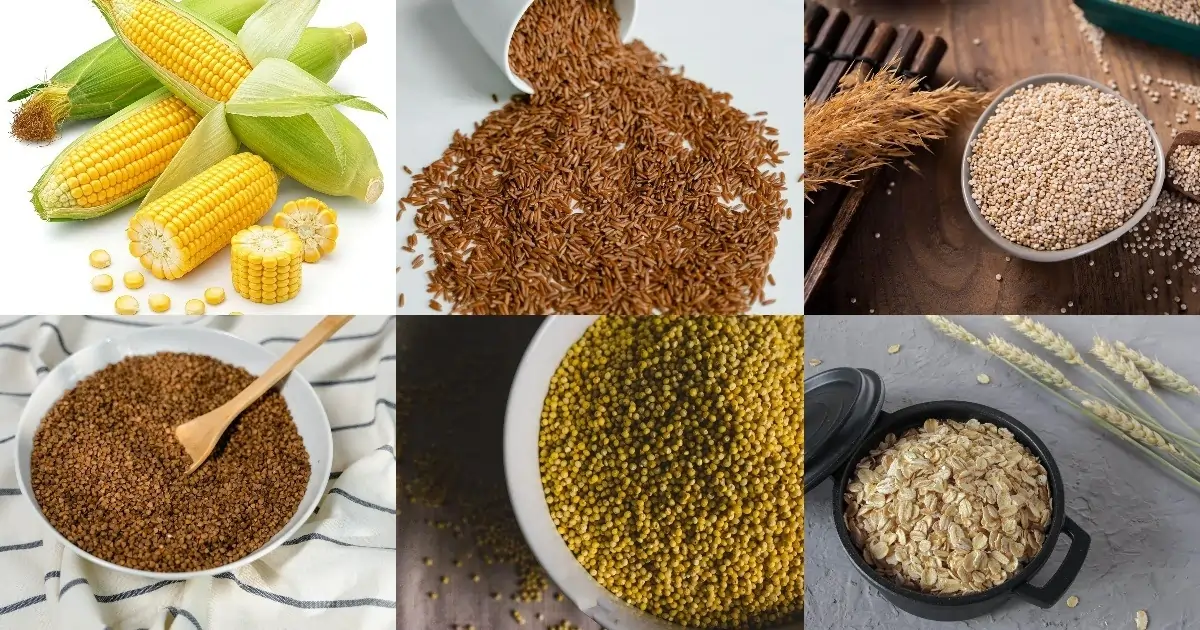
Common whole grains including maize, rice, quinoa, millet, oats, and buckwheat
Common Whole Grains
Whole wheat is one of the most widely used grains. It is found in bread, chapati, and other baked foods. Brown rice is another common grain that supports steady energy release.
Oats are popular for breakfast and help maintain fiber intake. Barley is often used in soups and contributes to digestive health. Maize, also known as corn, is used in many traditional dishes.
Millets are widely consumed in many regions and are associated with diverse diets. Quinoa, although not a true cereal, is used like grains and contributes to protein intake.
These grains are easy to include in daily meals. Therefore, they play a role in maintaining a balanced eating pattern.
Less Common but Nutritious Grains
Some grains are less commonly used but still offer nutritional value. Buckwheat is often used in porridge and supports dietary variety. Sorghum is another grain used in traditional foods.
Rye is commonly used in bread and contributes to fiber intake. These grains may not be part of everyday meals for everyone. However, including them occasionally helps maintain diversity in food choices.
Examples of Grains
Grains come in many varieties and are used in different food traditions. Including a range of grains helps maintain diversity in daily meals. It also supports balanced food choices.
Some commonly used grains include wheat, rice, maize, barley, oats, and millet. These grains are widely available and form the base of many staple foods.
Other grains such as quinoa, sorghum, rye, and buckwheat also contribute to dietary variety. In addition, grains like amaranth, teff, and spelt are used in different regions and cooking styles.
Each grain has its own texture and use in meals. Therefore, combining different grains helps maintain variety and supports overall nutrition.
Nutritional Components of Grains
Grains contain several important components that support daily nutrition. Each part of a grain contributes in a different way. Together, they help maintain normal body function and support energy needs.
Carbohydrates are the main component of grains. They provide energy for daily activities and help maintain body functions. Because of this, grains are often included in regular meals.
Fiber is mostly found in whole grains. It supports digestion and helps maintain gut health. Adequate fiber intake supports regular digestion. Therefore, choosing whole grains contributes to better dietary patterns.
Grains also contain a moderate amount of protein. Although not as high as some other foods, this protein still plays a role in body function and growth.
In addition, grains contribute to vitamins and minerals such as B vitamins, iron, and magnesium. These nutrients are important for normal function and overall well-being. They are also part of the body’s essential nutrient needs.
Health Benefits of Grains
Grains offer several benefits when included in daily meals. They support different body functions and contribute to overall well-being. However, the type of grain chosen can influence these benefits.
Supports Digestive Health
Whole grains are associated with better digestive health. They contain fiber, which supports regular bowel movement. This helps maintain a healthy digestive system.
Fiber also contributes to gut balance. It supports the growth of helpful bacteria in the digestive tract. Therefore, whole grains play a role in maintaining digestive comfort.
Including grains like oats, barley, and brown rice helps maintain fiber intake. As a result, digestion stays more regular and balanced.
Helps Maintain Energy Levels
Grains are a primary source of carbohydrates, which provide energy. This energy helps maintain daily physical and mental activities.
Whole grains release energy more steadily compared to refined grains. Therefore, they help maintain energy levels for a longer time.
Foods like brown rice, oats, and millet contribute to sustained energy. This makes them useful for daily meals and active lifestyles.
May Support Heart Health
Some whole grains are associated with heart health. They contain fiber, which helps maintain normal cholesterol levels. Diets that include whole grains are commonly linked with better heart-related outcomes.
For example, oats and barley contain soluble fiber. This type of fiber plays a role in maintaining healthy cholesterol balance.
Including whole grains as part of a balanced diet supports overall heart function. They also play a role within overall food groups and their role in health.
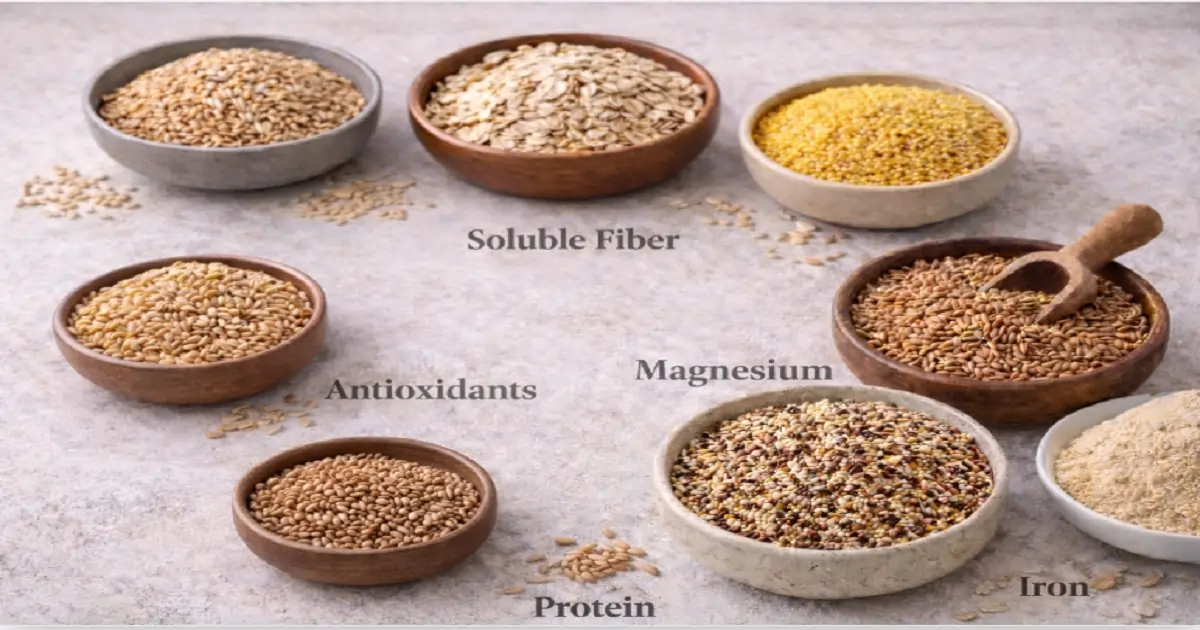
Which Grains Are the Healthiest?
Some grains are often considered healthier due to their composition and use. These grains are less processed and help maintain better dietary balance.
Oats are widely used and support fiber intake. They are often included in breakfast and help maintain steady energy levels.
Quinoa is known for its balanced composition. It contributes to protein intake and supports overall nutrition.
Brown rice is another commonly used grain. It retains its natural structure and helps maintain energy and fiber intake.
Millets are also gaining attention in many diets. They are associated with diversity in food choices and contribute to daily nutrition.
Including a mix of these grains helps maintain variety. It also supports balanced food choices in everyday meals.
Are There Grains to Limit or Avoid?
Not all grain-based foods offer the same benefits. Some grains are highly processed and may provide less overall nutrition. Therefore, it is useful to choose grains carefully.
Refined grains, such as white rice and white flour products, have reduced fiber. They mainly contribute to energy but offer fewer additional nutrients.
Highly processed grain foods, like packaged snacks and sugary cereals, are also common. These foods often contain added ingredients that reduce their nutritional value.
This does not mean they must be avoided completely. However, limiting their intake helps maintain better dietary balance.
Choosing whole grains more often and reducing highly processed options supports healthier food patterns. This difference is seen in the difference between whole and processed foods.
Whole Grains vs Refined Grains: Key Differences
Whole grains and refined grains differ mainly in their structure. Whole grains contain all three parts of the grain, including bran, germ, and endosperm. In contrast, refined grains have the bran and germ removed during processing.
This structural difference affects fiber content. Whole grains are rich in fiber, which supports digestion and helps maintain gut health. However, refined grains contain much less fiber because the outer layer is removed.
Processing also plays a key role in these differences. Whole grains undergo minimal processing, which helps maintain their natural composition. Refined grains are processed further to improve texture and shelf life.
Because of this, whole grains are associated with more balanced nutrition. Refined grains, on the other hand, mainly provide energy. Therefore, choosing whole grains more often helps maintain better dietary quality.
Nutritional Value of Common Grains
Grains vary in their nutritional composition, but they share some common features. Most grains provide carbohydrates, along with small amounts of protein, fiber, and essential nutrients. However, whole grains generally offer more fiber and micronutrients than refined ones.
Below is a simple comparison of common grains and their nutritional value:
| Grain | Calories (per 100g) | Fiber | Key Nutrients |
| Whole wheat | 340 kcal | High | B vitamins, Iron |
| Brown Rice | 360 kcal | Moderate | Magnesium, B vitamins |
| Oats | 380 kcal | High | Fiber, Iron |
| Barley | 350 kcal | High | Fiber, Selenium |
| Millet | 360 kcal | Moderate | Magnesium, Phosphorus |
This comparison shows how grains contribute to daily nutrition and support overall dietary balance.
How to Include Grains in Your Daily Diet
Including grains in daily meals can be simple and practical. Small changes in food choices help maintain better eating patterns.
Choosing whole grains instead of refined grains is a good starting point. For example, brown rice can replace white rice, and whole wheat flour can be used instead of refined flour. This helps maintain fiber intake and supports overall nutrition.
Mixing different grains also contributes to variety. Combining grains like millet, oats, and barley in meals supports diversity in food choices. Besides this, trying traditional grain-based dishes can add variety to daily meals.
Portion balance is also important. Including grains along with other food groups helps maintain a balanced diet and supports balanced meal planning.
Conclusion
Grains in nutrition are edible seeds that play an important role in daily meals. They provide energy, contribute to fiber intake, and support normal body functions. Because of their wide use, grains are included in many traditional and modern diets.
Grains come in different forms, mainly whole and refined. Whole grains retain their natural structure and help maintain better dietary balance. They are associated with fiber intake and steady energy. Refined grains, however, are more processed and mainly contribute to energy.
Including a variety of grains in daily meals helps maintain diversity in food choices. Choosing whole grains more often also supports healthier eating patterns over time. Small and consistent choices can make a meaningful difference in everyday nutrition.
Disclaimer:
This article is for informational purposes only. It discusses general food-related topics and does not provide medical advice. Nutritional needs vary between individuals, and food choices should be part of a varied and balanced diet. For personal health concerns, consult a qualified professional.