
Food choices shape more than just taste. They shape nutrient intake, energy levels, and overall food quality. However, not all foods offer the same value per calorie. Some provide a rich mix of nutrients in small amounts. Others supply energy but fewer essential compounds.
This is where nutrient density becomes important. It looks at how many nutrients a food provides compared to its calories. Therefore, it helps evaluate food quality in a practical way. It does not build meal plans. Instead, it offers a framework for comparison.
Processing, cooking, and even variety also play a role. Furthermore, understanding energy density adds another layer. Together, these ideas support smarter food evaluation and help maintain a more informed approach to everyday eating.
What Nutrient Density Really Means
Food labels list calories and nutrients. However, they do not always show food quality clearly. Nutrient density helps evaluate that quality in a simple way. It looks beyond total calories and focuses on concentration.
Nutrient density refers to the amount of vitamins, minerals, fiber, and other key compounds in relation to a food’s calorie content. In other words, it measures value per calorie. This idea is supported in nutrient density definitions used in nutrition science.
Understanding what nutrient density means in practical terms makes comparison easier.
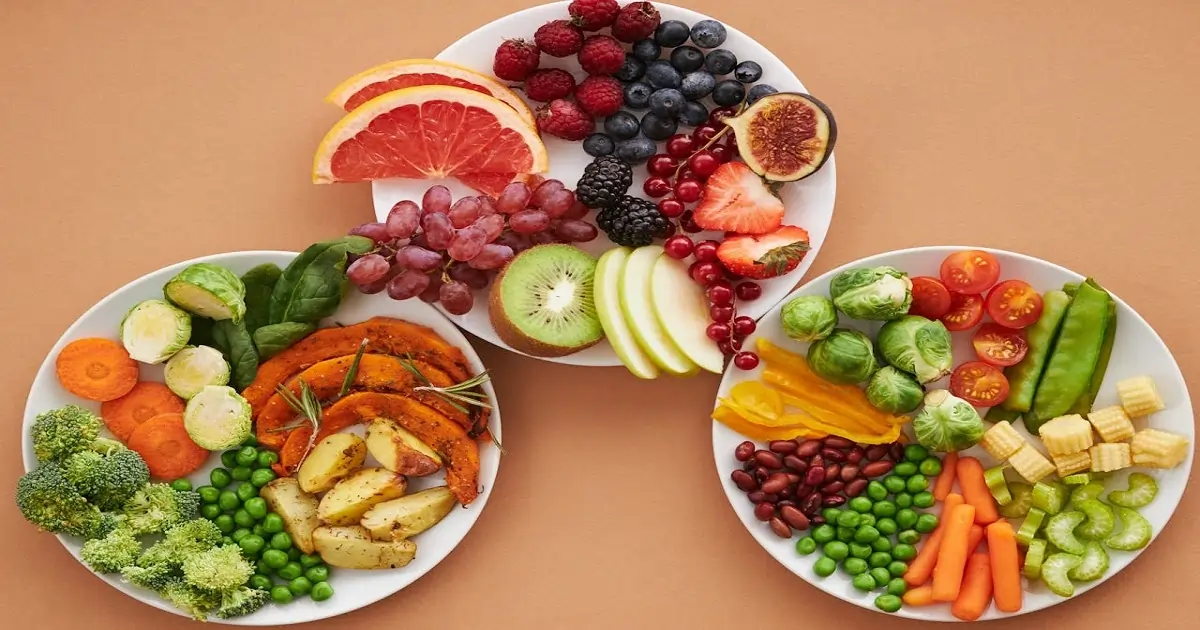
Foods such as vegetables, legumes, and seeds often provide many nutrients for fewer calories. Therefore, they are considered more nutrient-dense. This does not make other foods “bad.” It simply shows differences in concentration.
Nutrients in Relation to Calories
The core idea is simple. Compare nutrients to calories, not just portion size. A food that provides more nutrients per 100 calories has higher density. That ratio helps maintain a clearer view of food quality.
For example, 100 calories of spinach offer fiber, minerals, and several vitamins. The same calories from a sugary drink provide energy but very few nutrients. Both contain calories. However, their nutrient contribution differs greatly.
This comparison supports smarter evaluation. It does not replace variety. Instead, it adds another layer of understanding. Nutrient density plays a role in recognizing foods that contribute more to normal function within overall dietary patterns.
Why Density Is Different from Quantity
Quantity refers to how much food you eat. Density refers to how concentrated the nutrients are. A large portion does not always mean higher nutrient value. Therefore, portion size and nutrient concentration are separate ideas.
For instance, a big serving of refined snacks may contain many calories. Yet it may offer fewer nutrients per calorie. Meanwhile, a smaller serving of nuts may provide higher nutrient concentration despite similar calories.
When nutrients are mentioned, it helps to understand essential nutrients and their roles. However, this section focuses on concentration, not function. Nutrient density is about ratio, not daily requirements.
Understanding this difference supports clearer food evaluation. It also helps maintain perspective when comparing foods within a varied eating pattern that is part of a balanced diet.
Nutrient Density vs Calorie Density
Both nutrient density and calorie density describe food value. However, they measure different aspects. One looks at nutrients per calorie. The other looks at calories per gram. Therefore, understanding both gives a fuller picture.
Two Different Measurements of Food Value
Nutrient density measures nutrients relative to calories. Calorie density, also called energy density, measures calories relative to weight. These are opposite directions of comparison. The difference between nutrient and calorie density helps clarify this contrast.
For example, vegetables usually have low calorie density. They contain fewer calories per gram because of high water content. At the same time, many vegetables have high nutrient density. They provide important nutrients in smaller calorie amounts.
On the other hand, foods rich in fats may have high calorie density. Fat provides nine calories per gram. Therefore, smaller portions can contain more energy. This does not automatically define quality. It simply reflects concentration of energy.
Looking at both measures together supports balanced evaluation. Nutrient density focuses on micronutrients and fiber. Calorie density focuses on energy concentration. Each plays a role in understanding overall food value.
When Calorie Density Becomes Relevant
Calorie density becomes useful when comparing foods by weight. For instance, soups and fruits often contain more water. As a result, they have fewer calories per gram. Dry snacks often contain less water and more concentrated energy.
Besides that, calorie density contributes to portion perception. Two foods may appear similar in size but differ in energy content. Therefore, understanding calorie density helps maintain awareness of energy concentration without judgment.
This concept does not involve weight targets or medical framing. It simply adds another tool for evaluation. When paired with nutrient density, it supports clearer decisions about food quality and composition.
Energy Density and Its Dietary Context
Energy density describes how much energy a food contains relative to its weight. It focuses on calories per gram rather than nutrients per calorie. Therefore, it explains how concentrated the energy is within a given amount of food.
This concept does not judge food quality. Instead, it explains structure. Foods differ in water content, fat concentration, and overall composition. These differences influence how much energy fits into each gram.
Calories per Gram Explained
Calories come from carbohydrates, protein, and fat. Carbohydrates provide four calories per gram. Protein also provides four calories per gram. Fat provides nine calories per gram. This relationship is known as the 4-4-9 rule.
Because fat contains more than double the calories of carbohydrate or protein, foods higher in fat often contain more energy in smaller amounts. Oils and nut butters illustrate this clearly. A small portion contains concentrated energy.
Water changes this equation. Foods rich in water, such as fruits, vegetables, and soups, contain fewer calories per gram. Water adds weight without adding energy. Therefore, these foods tend to have lower energy density.
Fiber also contributes bulk without increasing calorie concentration. Whole foods that retain fiber often feel more substantial for the same energy content.
Understanding the meaning of energy-dense foods in everyday eating helps clarify how structure and composition influence energy concentration.
Energy density explains composition rather than preference. It supports evaluation of weight, volume, and calorie concentration without labeling foods as good or bad.
Food Processing and Its Impact on Nutrient Quality
Food rarely moves from farm to plate unchanged. Processing alters texture, flavor, and shelf life. However, it can also influence nutrient concentration and ingredient structure. Therefore, understanding processing levels helps evaluate food quality more clearly.
Processing exists on a spectrum. Some foods remain close to their natural state. Others undergo multiple steps that modify ingredients significantly. This classification supports more precise analysis rather than emotional judgment.

From Whole to Ultra-Processed
Whole foods are minimally altered. Washing, cutting, freezing, or drying counts as basic processing. These steps help maintain safety and usability while preserving much of the original structure.
Processed foods involve additional changes. Ingredients such as salt, sugar, or oils may be added. Cooking methods or mechanical treatments may also alter texture. These steps contribute to shelf life and convenience.
Ultra-processed foods go further. They often contain refined ingredients, flavor enhancers, and additives. Their structure may differ greatly from the original food source. Recognized processing frameworks, such as food processing classifications used in nutrition research, help clarify these levels.
Understanding the differences between whole and processed foods supports clearer evaluation. The goal is not restriction. Instead, it is awareness of how structure changes during manufacturing.
Nutrient Retention and Ingredient Integrity
Processing can influence nutrient retention. Heat, refining, and exposure to air may reduce certain nutrients. For example, milling whole grains removes outer layers that contain fiber and micronutrients. Therefore, refinement changes nutrient concentration.
However, processing does not always reduce value. Some methods improve safety or enhance bioavailability. Fermentation and cooking can increase availability of certain compounds. Furthermore, fortification may add specific nutrients back into foods.
Ingredient integrity also plays a role. Whole foods retain their natural matrix, which influences digestion and absorption. Highly refined products may lose this structural complexity.
A closer look at how processing changes nutrient content supports better evaluation. The key is balance. Processing exists on a continuum, and its impact varies by method.
Rather than using fear-based language, it is more helpful to assess concentration, structure, and ingredient quality. This analytical approach supports informed decisions within regular dietary habits.
How Cooking Methods Influence Nutrient Retention
Cooking changes food in many ways. It improves flavor and texture. It also supports food safety. However, heat and water can influence nutrient retention. Therefore, cooking methods play a role in overall food quality.
Heat, Water, and Nutrient Stability
Some nutrients are sensitive to heat. Water-soluble vitamins, such as vitamin C and certain B vitamins, dissolve easily in water. When foods boil, some of these nutrients may move into the cooking liquid.
Long cooking times and high temperatures can reduce certain nutrient levels. For example, boiling vegetables for extended periods may lower their vitamin content. Steaming or sautéing often helps maintain more stability.
Water contact also matters. When vegetables cook in large amounts of water, nutrients can leach out. Therefore, shorter cooking times and minimal water often help maintain concentration.
Research discussing nutrient loss during common cooking methods provides more context on these changes. This explanation supports awareness without creating fear. Cooking still plays an important role in food preparation.
Bioavailability and Structural Changes
Cooking does not only reduce nutrients. In some cases, it improves availability. Heat can soften plant cell walls. This process helps release certain compounds, making them easier to absorb.
For example, cooking tomatoes increases the availability of lycopene. Similarly, cooking legumes reduces natural compounds that limit mineral absorption. Therefore, structure changes can support normal function.
These changes show that cooking is not simply good or bad. It influences nutrient stability in different ways. A closer look at how cooking methods affect nutrients helps maintain a balanced perspective.
Understanding these shifts supports better evaluation. It also contributes to clearer decisions about preparation methods within overall dietary patterns.
Dietary Diversity as Nutrient Coverage
No single food contains every nutrient in ideal amounts. Therefore, variety becomes important. Dietary diversity refers to eating a range of foods from different groups. This approach helps maintain broader nutrient coverage.
Why Variety Expands Nutrient Spectrum
Different foods provide different nutrients. Leafy greens contain certain minerals. Legumes provide fiber and plant-based protein. Nuts contribute healthy fats. A closer look at top nutrient-dense foods across major food groups helps illustrate how variety strengthens overall nutrient coverage. Therefore, combining foods expands nutrient range.
When people rely on only a few foods, nutrient gaps may appear. However, rotating fruits, vegetables, grains, and proteins increases overall coverage. This variety contributes to normal body function.
Dietary diversity is also used as an indicator in nutrition assessment. The importance of dietary diversity in food selection supports evaluation of nutrient adequacy across populations.
Variety does not require complex systems. It simply encourages including different colors, textures, and food types over time. This approach supports a broader nutrient spectrum without repeating meal construction advice.
Recognizing Higher-Quality Foods in Practice
Understanding concepts is helpful. Applying them matters more. Recognizing food quality involves simple evaluation steps. It does not require strict plans or detailed schedules.

Ingredient Lists and Nutrient Concentration
Ingredient lists offer clues about processing level. Shorter lists often reflect fewer modifications. Whole ingredients usually appear closer to their original form.
When grains appear as “whole,” they retain bran and germ. These parts contribute fiber and minerals. Refined versions often remove these layers, reducing nutrient concentration.
Sugar, salt, and added fats may increase flavor and shelf life. However, they can also raise calorie density without increasing nutrient density. Therefore, comparing ingredient structure supports better evaluation.
Looking at fiber content per serving also helps. Higher fiber often indicates greater nutrient retention from whole ingredients. This metric supports awareness without turning into a rigid system.
Comparing Similar Foods for Density
Comparison works best between similar products. For example, whole grain bread often provides more fiber than refined white bread. Therefore, it may offer higher nutrient density per calorie.
Likewise, plain yogurt may contain fewer added sugars than flavored varieties. This difference influences calorie density while keeping nutrient content similar. Small label differences can reveal meaningful contrasts.
Evaluating similar foods side by side supports clearer decisions. It helps maintain perspective without creating strict rules. Practical evaluation strategies also connect to broader ways to improve food quality in everyday meals.
Food quality recognition focuses on structure, concentration, and ingredient integrity. It contributes to informed choices that support overall dietary patterns and help maintain balance over time.
Common Misunderstandings About Food Quality
Food quality often gets simplified into easy labels. However, simple labels can mislead. Therefore, it helps to question common assumptions and look at structure instead of slogans.
One common idea suggests that low calorie always means high quality. This is not accurate. A food may be low in calories yet also low in important nutrients. For example, a sugary drink may contain few nutrients despite moderate calories. Nutrient density, not calorie count alone, supports better evaluation.
Another belief assumes that natural automatically equals nutrient-dense. However, natural foods vary widely in nutrient concentration. Honey is natural, yet it mainly provides sugars. Meanwhile, some fortified foods may contribute useful nutrients. Therefore, natural origin alone does not define quality.
A third misunderstanding suggests that processed foods are always poor choices. Processing exists on a spectrum. Some processing helps maintain safety and nutrient availability. Freezing vegetables, for example, often preserves nutrients. Context matters more than labels.
Recognizing these misconceptions supports clearer thinking. Food quality depends on concentration, structure, and context. Therefore, evaluating foods through nutrient density, energy density, and processing level provides a more balanced perspective.
Conclusion
Food evaluation becomes clearer when simple concepts guide the process. Nutrient density helps compare nutrients in relation to calories. Energy density adds insight into calorie concentration per gram. Together, these measures support structured analysis.
Processing awareness also plays a role. Understanding how ingredients change through refinement or cooking contributes to informed comparison. Furthermore, dietary diversity expands nutrient coverage across different foods.
These principles form a practical framework. They do not replace overall dietary patterns. Instead, they support more precise understanding of food quality. By focusing on concentration, structure, and variety, it becomes easier to evaluate foods logically and consistently within everyday choices that are part of a balanced diet.
Disclaimer:
This article is for informational purposes only. It discusses general food-related topics and does not provide medical advice. Nutritional needs vary between individuals, and food choices should be part of a varied and balanced diet. For personal health concerns, consult a qualified professional.