
Many people want to eat better, yet feel confused when planning a balanced meal. Plates often end up overloaded with one food group while others are ignored. As a result, meals may look filling but still miss key nutrients.
This confusion grows because advice comes in many forms. Some suggest counting calories, while others promote strict rules. However, most daily meals need a simpler and more practical approach.
A healthy food plate offers that clarity. It uses visual balance to guide what and how much to eat. Instead of complex math, it focuses on proportions that are easy to remember and apply.
When you look at a healthy plate of food, choices become clearer. You can build meals that feel satisfying, support energy needs, and fit everyday routines. This method also adapts easily to different foods, tastes, and lifestyles.
What Is a Healthy Food Plate?
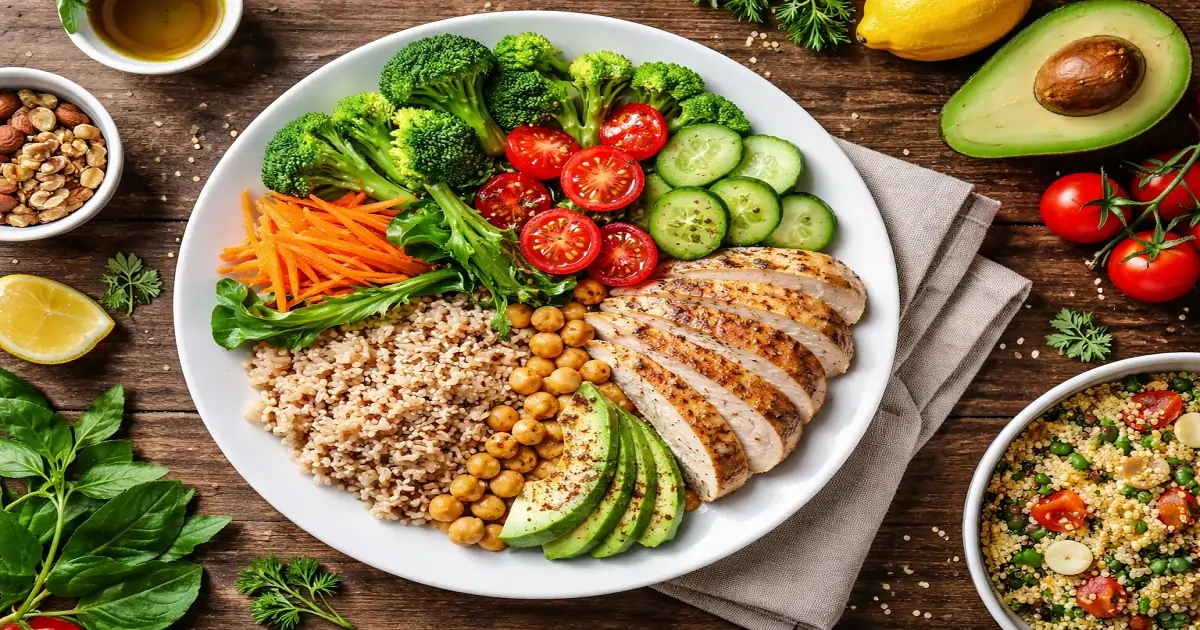
A healthy food plate is a simple way to understand how a balanced meal should look. Instead of listing foods, it uses a visual layout. This layout shows how much space each food group should take on your plate.
At its core, a healthy plate of food focuses on balance. Half the plate is reserved for vegetables and fruits. The remaining space is shared by grains and protein foods. This visual method makes meal choices clearer at a glance.
Unlike calorie counting, this approach removes numbers from daily eating. You do not need scales, apps, or calculations. Instead, you rely on proportions that are easy to follow. As a result, meals feel less stressful and more natural.
A healthy eating plate also highlights structure, not just food selection. Eating healthy foods alone does not always create balance. However, placing them in the right proportion helps the body get steady energy and nutrients.
This idea is supported by evidence-based nutrition models such as the Healthy Eating Plate framework. These models focus on long-term health rather than short-term targets.
Most importantly, a healthy food plate helps organize everyday meals. It guides breakfast, lunch, and dinner without strict rules. The healthy food plate is based on core healthy diet principles that guide balanced daily meals, which shows how structure supports better daily food choices.
Why the Healthy Food Plate Matters for Daily Eating
Daily eating often feels complicated. Many people stand in the kitchen unsure what to cook or serve. This uncertainty leads to repeated choices and mental fatigue.
A healthy food plate reduces this confusion. It offers a simple visual guide that helps decisions happen faster. Instead of guessing portions, you rely on balance and layout.
This approach works well in real life because it is flexible. You can apply it to home meals, lunch boxes, or dining out. Besides that, it adapts easily to different cuisines and cooking styles.
A balanced meal does not mean restriction. The plate method allows variety while keeping proportions in check. Therefore, meals feel satisfying rather than controlled.
Families also benefit from this clarity. Children learn balance by seeing it on the plate. Students gain structure without strict rules. Working adults save time and mental effort during busy days.
A healthy eating plate fits everyday routines because it focuses on habits, not perfection. Over time, this consistency supports better energy, focus, and long-term eating patterns. These outcomes align with broader principles of balanced eating and healthy diet that guide sustainable daily nutrition.
What Should Be on a Healthy Food Plate?
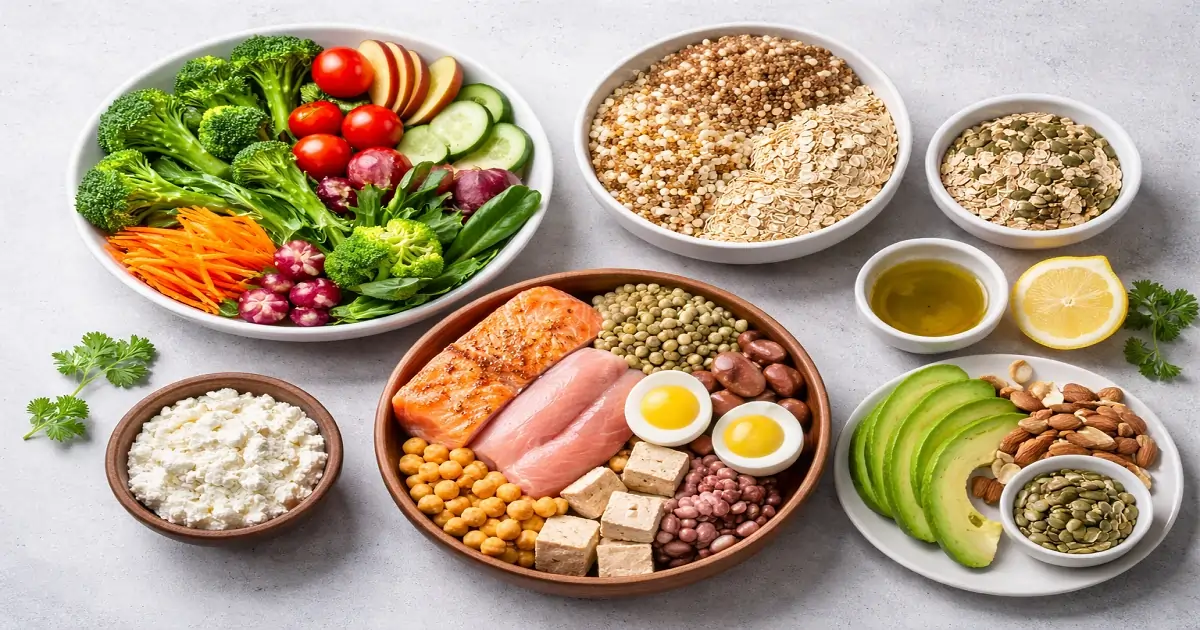
A healthy food plate is built around key food groups. Each group plays a specific role in creating balance. Together, they support energy, nourishment, and satisfaction.
The goal is not to measure foods precisely. Instead, you arrange foods in proportions that make sense visually. This keeps meals simple and repeatable.
Vegetables and Fruits Natural Base of the Plate
Vegetables and fruits form the largest part of the plate. They add color, texture, and natural variety. Besides that, they supply essential vitamins and minerals.
Filling half the plate with these foods helps improve balance. It also increases fiber intake, which supports digestion and fullness. This makes meals feel lighter yet complete.
Whole Grains for Sustained Energy
Whole grains occupy a smaller but important space. They provide steady energy throughout the day. Unlike refined grains, they digest more slowly and support focus.
Placing grains in the right portion prevents meals from becoming too heavy. This balance helps maintain energy without sharp spikes or crashes.
Protein Foods for Strength and Repair
Protein foods support muscle repair and overall body function. They also help keep hunger under control after meals. Therefore, including them in the plate matters.
Protein does not need to dominate the plate. A moderate portion works best when paired with vegetables and grains.
Healthy Fats and Fluids Small but Essential
Healthy fats and fluids complete the plate. They support nutrient absorption and hydration. Even though their portion is small, their role is important.
When combined correctly, these elements create a balanced meal plate. This structure reflects a practical healthy plate method used across many dietary models.
Specific food examples for each group can be found in everyday healthy food choices, which shows how to apply these categories using common foods.
Similar Healthy Plate Portion Guidance is also followed in public health nutrition models.
Portion Distribution on a Balanced Meal Plate
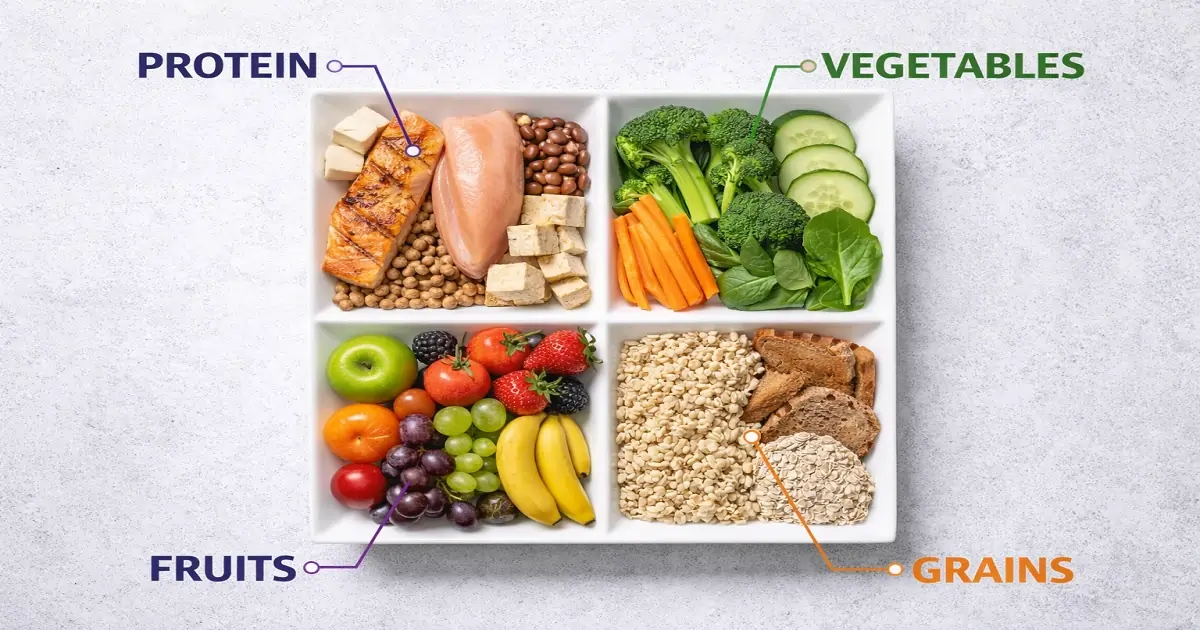
Portion balance is what makes the plate method practical. It turns healthy eating into a visual habit. You do not need tools or measurements. You simply look at the plate.
Half of the balanced meal plate should be filled with vegetables and fruits. This large portion adds volume without excess calories. It also brings fiber, color, and natural variety to meals. As a result, plates feel fuller and more satisfying.
One quarter of the plate is reserved for grains. This section supports daily energy needs. Whole grains work best because they release energy slowly. Therefore, they help avoid sudden hunger between meals.
The remaining quarter is for protein foods. This portion supports muscle repair and keeps you full longer. Protein does not need to dominate the plate. Balance matters more than quantity.
This layout forms the base of a healthy plate method used in many public health models. It focuses on proportion rather than restriction. That makes it easier to follow over time.
Activity level can slightly adjust these portions. Very active people may need a bit more grains or protein. On quieter days, vegetables can take up more space. However, the overall structure stays the same.
This visual approach keeps meals flexible and realistic. It works for home cooking, packed lunches, and dining out. Similar portion-based guidance can be seen in healthy plate portion guidance, which reinforces this simple and balanced approach.
With practice, portion balance becomes automatic. Over time, this habit supports steady energy, better focus, and consistent daily eating patterns.
Common Mistakes When Building a Healthy Food Plate
Many people understand the idea of a healthy food plate, yet struggle while applying it. Small choices during meal setup often create imbalance. These mistakes usually happen without awareness.
One common issue is filling the plate with refined carbohydrates. White rice, bread, or pasta often take up too much space. As a result, vegetables and proteins get pushed aside. This can leave meals heavy but not satisfying.
Another mistake is ignoring protein altogether. Some plates focus only on grains and vegetables. However, protein supports fullness and steady energy. Without it, hunger often returns too quickly.
Lack of vegetables is also frequent. Vegetables add volume without excess calories. When they are missing, meals lose balance and variety. This affects fiber intake and overall meal quality.
Healthy fats are often misunderstood. Some people avoid them completely, while others add too much. Small amounts are enough to support nutrient absorption. Balance matters more than elimination.
These plate-level errors often reflect broader eating patterns. Similar issues are discussed in common healthy eating mistakes, which show how daily habits shape meal balance. Recognizing these problems helps improve every balanced meal without strict rules.
Healthy Food Plate vs Popular Meal Rules
Many meal rules promise quick clarity. However, they often feel rigid in daily life. This is where the healthy food plate stands apart.
Some plans use fixed numbers, such as the 5-4-3-2-1 meal plan, which divides daily eating into set food group counts. Others promote patterns like the 3-3-3 rule for weight loss, which focuses on repeating structured meal portions through the day.
These approaches add clarity for some people. However, they can feel restrictive and hard to maintain over time.
The healthy plate method works differently. It does not rely on numbers or strict schedules. Instead, it guides how meals should look. This visual approach makes it easier to adapt meals across situations.
A balanced meal built with the plate method allows flexibility. You can adjust foods based on taste, culture, or availability. Besides that, it supports consistency without pressure.
Rather than following rules, the healthy food plate builds awareness. Over time, this framework encourages better choices naturally. It fits real life, not just short-term goals.
How the Healthy Food Plate Fits Into Meal Planning
The healthy food plate becomes more useful when applied through planning. Instead of planning strict menus, you plan balance. This shift reduces pressure and keeps meals flexible.
The plate method works best when applied through simple meal planning habits that guide daily choices. You do not need fixed recipes. You only need to repeat the same structure across meals.
Breakfast, lunch, and dinner can all follow the same visual pattern. For example, vegetables may look different at each meal. However, their space on the plate stays similar. This consistency supports better decisions without effort.
Weekly rotation also becomes easier. You can change vegetables, grains, and proteins each week. Besides adding variety, this approach prevents boredom. It also supports seasonal eating without planning stress.
Grocery shopping becomes simpler as well. You shop by plate sections rather than individual meals. This saves time and reduces impulse buying. Over time, planning a balanced meal feels natural, not forced.
A healthy eating plate does not lock you into rigid schedules. Instead, it offers a flexible framework that adapts to real life. This balance makes planning sustainable for everyday routines.
Can One Healthy Food Plate Work for Everyone?
One strength of the healthy food plate is its adaptability. It does not belong to one culture or cuisine. Traditional foods can fit easily within the same structure.
Age also matters, and the plate adjusts well. Children learn balance visually. Adults maintain structure without restriction. Older people can adjust portions based on comfort and appetite.
Lifestyle differences are also supported. Busy workers, students, and families can all use the same framework. The foods may change, but the plate remains familiar.
However, this approach is not a medical or therapeutic diet. People with specific health conditions may need personalized guidance. For general daily eating, though, the plate works well.
This flexibility makes the plate method practical. It supports balance without forcing one way of eating.
Conclusion
The healthy food plate offers a simple way to bring balance into daily meals. It removes guesswork and replaces it with visual clarity. You focus on proportion instead of perfection.
Over time, this approach builds consistency. Small choices repeated daily shape better eating habits. A balanced meal becomes easier to create without stress.
You do not need strict rules or special plans. You only need awareness and structure. With practice, the healthy food plate fits naturally into everyday life.
This method also prepares the ground for deeper understanding. As your eating habits improve, broader nutrition topics become easier to apply. Consistency, not complexity, creates lasting change.
Disclaimer:
This article is for informational purposes only. It discusses general food-related topics and does not provide medical advice. Nutritional needs vary between individuals, and food choices should be part of a varied and balanced diet. For personal health concerns, consult a qualified professional.