Healthy Food Basics
Healthy Food Basics brings together foundational concepts that shape everyday food choices and long-term dietary quality. This category focuses on practical nutrition principles such as nutrient density, energy density, food quality, and dietary balance. It examines how foods differ in their concentration of vitamins, minerals, fiber, and other essential compounds, and how these differences influence overall eating patterns.
The articles in this section discuss how to evaluate foods beyond calories, understand the structure of balanced meals, and interpret common nutrition terminology used in research and public health guidance. Topics may include comparisons across food groups, explanations of key dietary metrics, and clarification of widely used nutrition concepts.
By organizing these core ideas in one place, Healthy Food Basics serves as a structured starting point for understanding how food choices affect nutritional value and dietary patterns over time.
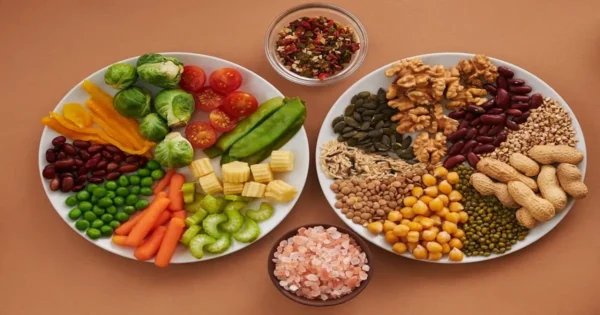
How to Improve Food Quality: Practical Ways for a Healthier Diet
Food choices shape the quality of our daily diet. However, food quality is not only about eating expensive or rare foods. It mainly...
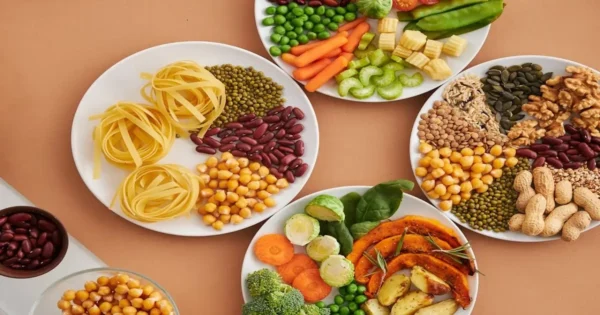
Dietary Diversity: Meaning, Importance, Food Groups, and Diversity Score
Food choices and dietary diversity shape how well the body receives essential nutrients. Many diets rely heavily on a few staple foods. However,...
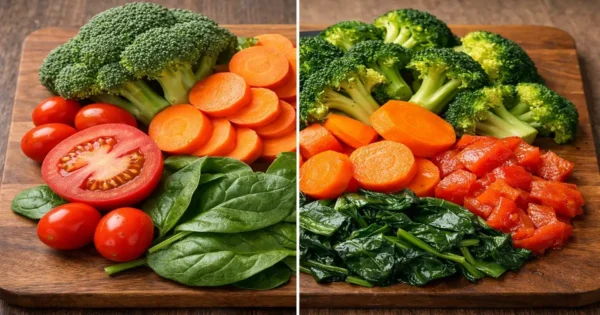
Effect of Cooking on Nutrients: What Happens to Vitamins and Minerals
Cooking changes more than the taste and texture of food. It also changes the nutrients inside it. Heat, water, and air can alter...
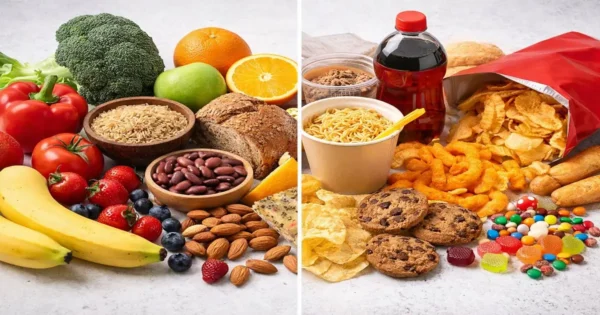
Whole vs Processed Foods: Definitions, Differences, and Health Impact
Walk through any grocery store and you will see labels like natural, fresh, and processed. The word processed often sounds negative. However, not...
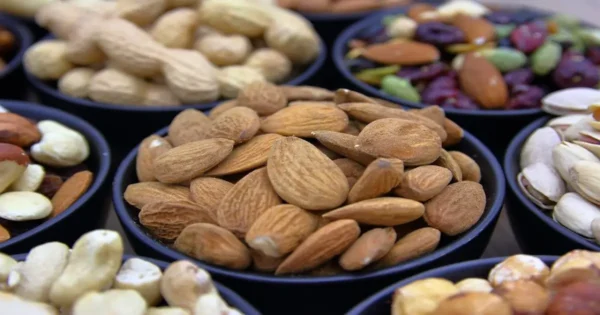
Energy-Dense Foods in Nutrition: Meaning, Examples, and When They Matter
Energy-dense foods contain a high number of calories in a small portion. In simple terms, they provide more calories per gram than foods...
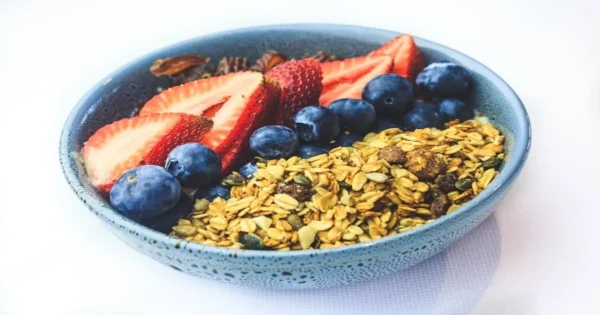
Nutrient Density vs Calorie Density: Key Differences and Why They Matter
Many foods contain similar calories, yet their nutritional value can differ greatly. A chocolate bar and a bowl of fruit may both show...
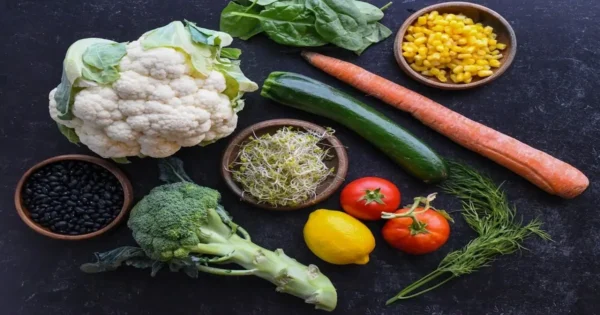
Most Nutrient-Dense Foods: Top Choices Across Food Groups
Many people search for the most nutrient-dense foods. They want to know which food ranks number one. It sounds simple. However, nutrition is...

What Is Nutrient Density? Meaning, Importance, and Food Examples
You may hear the term nutrient density when people talk about healthy food. However, the meaning is not always clear. Some foods look...

Nutrient Density and Food Quality: How to Choose Better Foods Every Day
Food choices shape more than just taste. They shape nutrient intake, energy levels, and overall food quality. However, not all foods offer the...

Balanced Eating and Healthy Diet: Core Principles for Everyday Meals
Balanced eating and a healthy diet shape daily food choices more than many people notice. Meals are not only about what is eaten...