



Food choices shape the quality of our daily diet. However, food quality is not only about eating expensive or rare foods. It mainly depends on how foods are selected, prepared, and combined in everyday meals.
Small improvements in food choices can make a meaningful difference. For example, adding vegetables to meals or choosing whole foods supports better nutrition. Besides that, choosing nutritious foods more often helps maintain overall diet quality.
Improving food quality does not require strict diets or complicated rules. Simple habits, such as including a variety of foods and preparing meals carefully, contribute to healthier eating patterns. Over time, these small changes help improve food quality and support a balanced diet.
Therefore, focusing on practical and realistic steps can make healthy food choices easier to follow every day.
Why Improving Food Quality Matters in Everyday Diets
Food quality plays an important role in daily nutrition. Meals made with nutritious foods provide vitamins, minerals, and other nutrients the body needs. These nutrients support normal body functions and help maintain overall health.
However, eating more food does not always mean better nutrition. A large meal with low nutritional value may not contribute much to diet quality. Therefore, choosing foods with higher nutritional value helps improve the overall balance of meals.
Healthy food choices also contribute to better eating patterns. For example, including vegetables, whole grains, and legumes adds important nutrients to everyday meals. These foods help maintain energy levels and support normal body processes. Global nutrition guidance on healthy diet and diet quality also highlights the importance of balanced food choices.
Focusing on the nutritional quality of foods helps improve nutritional value without increasing portion size. As a result, meals become more balanced and nutritious over time.
Practical Ways to Improve Food Quality
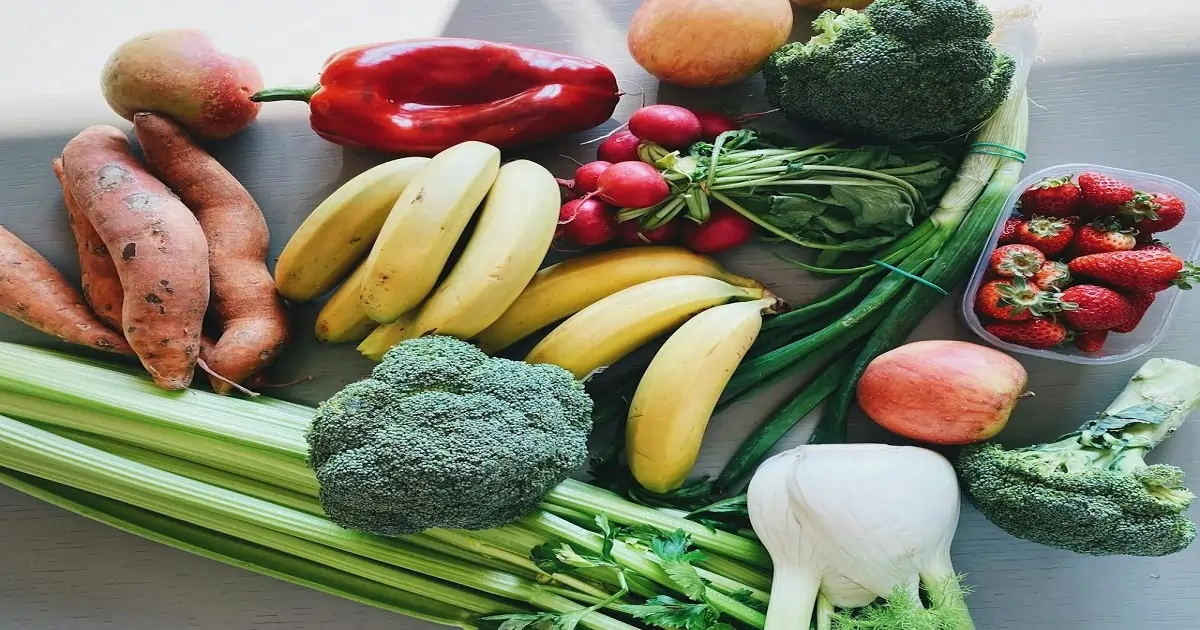
Improving food quality does not require complicated diets. Small and practical changes in daily meals can make a meaningful difference. Simple choices, such as selecting nutritious foods and preparing them carefully, help improve diet quality.
Many people focus only on calories. However, the nutritional value of food matters just as much. Foods rich in vitamins, minerals, fiber, and other nutrients contribute to healthier meals. Guidance on balanced meals with nutritious food groups also highlights how combining different foods supports better diet quality.
Gradual improvements work best for most people. Replacing less nutritious foods with better alternatives helps maintain balanced eating patterns. Over time, these small adjustments help improve overall diet quality.
Choose Nutrient-Rich Foods More Often
One of the simplest ways to improve food quality is to choose foods rich in nutrients. Fruits, vegetables, legumes, whole grains, nuts, and seeds provide vitamins, minerals, and fiber. These nutrients support normal body functions and contribute to balanced meals.
However, many everyday foods provide energy but few essential nutrients. Replacing such foods with more nutritious options helps maintain better diet quality. For example, fresh fruit can replace sugary snacks, and whole grains can replace refined grains.
Different food groups provide different nutrients. Therefore, including nutrient-rich foods across different food groups helps maintain a balanced intake of nutrients.
Over time, prioritizing these foods contributes to healthier and more nourishing meals.
Increase Variety in Daily Meals
Eating the same foods every day can limit nutrient intake. Each food group contains different nutrients that support normal body functions. Therefore, including a wider range of foods helps maintain better diet quality.
Adding variety does not need major changes. Rotating vegetables, fruits, grains, and legumes across meals helps increase nutrient intake. For example, different colored vegetables often contain different vitamins and plant compounds.
Variety also keeps meals more interesting and enjoyable. Besides that, it reduces the chance of missing important nutrients.
Including variety across food groups contributes to balanced nutrition and helps improve overall food quality in everyday diets.
Prefer Whole and Minimally Processed Foods
Whole and minimally processed foods often retain more natural nutrients. Fresh fruits, vegetables, grains, and legumes usually contain fiber, vitamins, and minerals that support normal nutrition.
However, highly processed foods often contain added sugars, salt, and refined ingredients. These foods may provide energy but fewer essential nutrients. Therefore, choosing simpler foods helps maintain better nutritional balance.
Checking ingredient lists can also help guide food choices. Foods with shorter ingredient lists often contain fewer additives and more natural ingredients.
Understanding the differences between whole and processed foods helps people make better food choices that contribute to improved food quality.
Use Cooking Methods That Preserve Nutrients
Cooking helps improve taste, texture, and food safety. However, cooking methods can also affect nutrient levels in foods. Some methods help maintain nutrients better than others.
Gentle cooking techniques often preserve more nutrients. Steaming vegetables, light sautéing, or quick cooking helps maintain vitamins and minerals. These methods also help maintain the natural color and texture of foods.
On the other hand, excessive boiling or prolonged cooking may reduce certain nutrients. Water-soluble vitamins may move into cooking water during long boiling.
Learning how cooking affects nutrients helps people choose cooking methods that contribute to better food quality.
Balance Energy-Dense Foods with Nutrient Quality
Energy-dense foods provide a higher number of calories in smaller portions. Examples include oils, nuts, seeds, and some processed foods. These foods can be part of everyday meals when consumed in balanced amounts.
Some energy-dense foods also contain beneficial nutrients. Nuts and seeds, for example, provide healthy fats and minerals that support normal body function. Therefore, combining these foods with vegetables and whole grains helps maintain balanced meals.
Moderation plays an important role in maintaining food quality. Meals that include both nutrient-rich and energy-dense foods often provide better nutritional balance.
Understanding energy-dense foods in nutrition helps people include them wisely as part of a balanced diet.
Improve Food Choices Through Small Daily Decisions
Improving food quality often begins with small daily decisions. Simple changes in food selection can gradually improve the nutritional value of meals. Over time, these adjustments contribute to healthier eating patterns.
For example, choosing fruit instead of sugary desserts adds natural nutrients to the diet. Similarly, replacing refined grains with whole grains helps maintain fiber intake.
Mindful food choices also help maintain balanced eating habits. Paying attention to ingredients, preparation methods, and food variety supports better nutrition.
These small steps may seem simple, yet they play a role in improving overall diet quality. Gradual improvements often help maintain healthy eating patterns more consistently.
Quick Practical Tips to Improve Food Quality
Improving food quality often begins with simple and consistent choices. Small changes in meals can help maintain better nutrition. These practical tips support healthier eating patterns without making meals complicated.
Include vegetables or fruits in every meal. These foods provide vitamins, minerals, and fiber that support normal body functions. They also contribute to balanced meals.
Replace refined grains with whole grains whenever possible. Whole grains help maintain fiber intake and support digestive health.
Add nuts, seeds, or legumes to meals or snacks. These foods provide plant proteins, minerals, and healthy fats. They also play a role in maintaining energy balance.
Choose fresh foods more often instead of packaged snacks. Fresh ingredients often contain more natural nutrients.
Reduce highly processed snacks that contain excess sugar or salt. Instead, select simple foods that support overall diet quality.
Vary food groups throughout the week. Eating different foods helps maintain a wider range of nutrients.
Cook foods using gentle methods such as steaming or light sautéing. These methods help maintain nutrient levels and improve overall food quality.
Food Storage and Preservation That Help Maintain Food Quality
Proper food storage helps maintain freshness and nutritional value. It also plays a role in reducing food waste and supporting safe eating practices. Basic guidance on food safety and proper storage practices highlights how careful handling helps maintain food quality.
Refrigeration is one of the most common preservation methods. Storing foods at low temperatures slows the growth of microorganisms. This helps maintain the quality of fruits, vegetables, dairy products, and cooked meals.
Freezing is another effective method for longer storage. Frozen foods can retain nutrients for extended periods when stored properly.
Drying removes moisture from foods. Without moisture, microorganisms cannot grow easily. Dried fruits, herbs, and grains can stay usable for long periods.
Fermentation is associated with traditional food practices. Foods like yogurt and fermented vegetables develop beneficial compounds that contribute to flavor and preservation.
Pickling uses salt or acidic solutions to preserve foods. This method helps maintain vegetables for longer storage.
Canning preserves foods by sealing them in airtight containers after heating. This process helps maintain shelf stability.
Proper dry storage also helps maintain food quality. Storing grains, legumes, and spices in cool, dry places protects them from moisture and spoilage.
Example: Improving Food Quality in Everyday Meals

Small adjustments in everyday meals can help improve food quality. These changes often require simple substitutions rather than strict dietary rules.
Breakfast offers an easy place to start. Instead of refined cereal, choose oats topped with fruit and nuts. This meal provides fiber, vitamins, and healthy fats that support balanced nutrition.
Lunch can also improve with simple changes. Replacing fried snacks with a meal that includes vegetables and legumes adds important nutrients. Such meals contribute to better energy balance throughout the day.
Dinner is another opportunity to improve diet quality. Instead of a refined carb-heavy meal, combine vegetables, grains, and protein sources. This combination supports balanced nutrition and helps maintain stable energy levels.
These adjustments show how everyday food choices influence overall diet quality. Gradual changes using nutritious foods and healthy food choices contribute to meals that are part of a balanced diet.
Why Access to Healthy Foods Also Influences Food Quality
Access to healthy foods plays an important role in everyday nutrition. When nutritious foods are easily available, people can make healthier choices more often. This availability helps maintain balanced meals and supports better diet quality.
Affordability also influences food choices. Fresh fruits, vegetables, whole grains, and legumes contribute to balanced nutrition. However, when these foods cost more than processed options, families may choose less nutritious alternatives. Therefore, affordable nutritious foods help maintain healthier eating patterns.
Local food environments also play a role. Areas with grocery stores, farmers’ markets, or fresh produce vendors often provide better access to healthy foods. These environments make it easier to find healthy foods to eat every day.
Improving food quality at home can begin with simple steps. Buying seasonal produce, storing foods properly, and planning meals around available ingredients helps improve food quality in daily diet and supports balanced eating.
Conclusion
Improving food quality does not require major lifestyle changes. Small and consistent adjustments in food choices can gradually improve diet quality. Over time, these changes contribute to healthier eating patterns.
Choosing nutritious foods, increasing food variety, and preparing meals carefully all support better nutrition. Gentle cooking methods also help maintain important nutrients in foods.
Simple habits, such as selecting fresh ingredients and balancing different food groups, contribute to meals that are part of a balanced diet. These choices support normal body functions and help maintain overall well-being.
Therefore, focusing on practical daily improvements helps maintain better food quality and supports long-term healthy eating.
Disclaimer:
This article is for informational purposes only. It discusses general food-related topics and does not provide medical advice. Nutritional needs vary between individuals, and food choices should be part of a varied and balanced diet. For personal health concerns, consult a qualified professional.