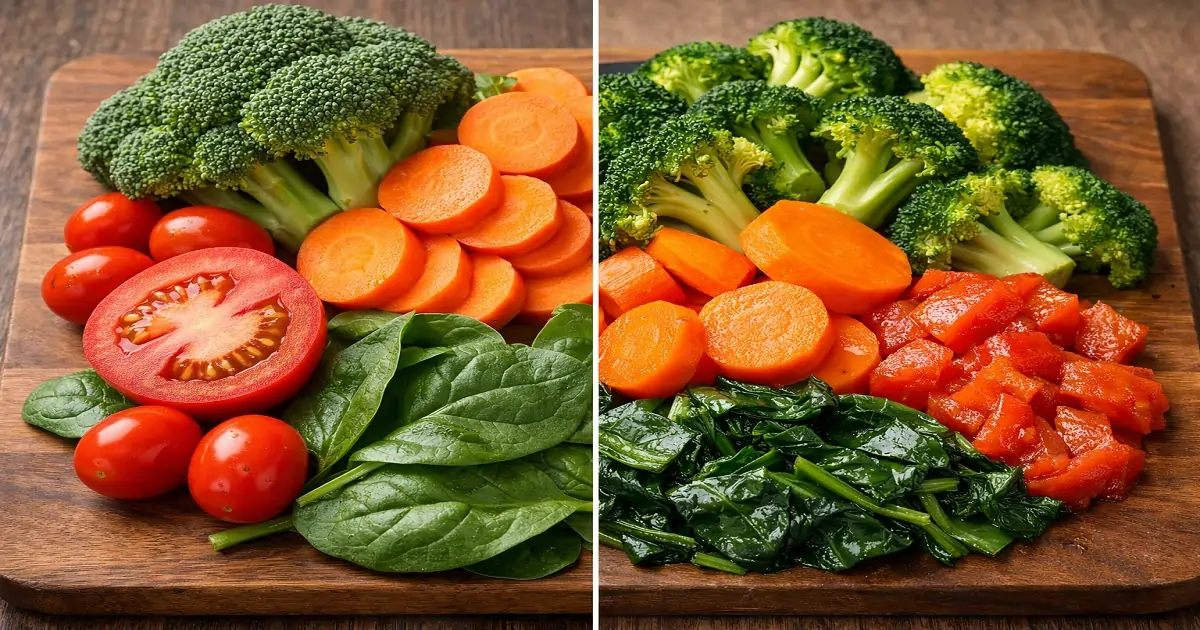
Cooking changes more than the taste and texture of food. It also changes the nutrients inside it. Heat, water, and air can alter vitamins and minerals during the cooking process.
Some nutrients decrease when food is exposed to high heat or long cooking times. Water can also carry certain vitamins away from vegetables during boiling. Therefore, the final nutrient content of cooked food may differ from its raw form.
However, cooking does not always reduce nutrition. In some foods, heat breaks down plant cell walls and helps the body absorb nutrients more easily. For example, certain antioxidants become more available after cooking.
These changes show how cooking plays a role in the way nutrients are used by the body. Understanding these effects helps explain why different cooking methods can influence the nutritional value of food.
Why Cooking Changes Nutrients in Food
Cooking does more than soften food and improve flavor. It also changes the chemical structure of many nutrients. When food is exposed to heat, water, and air, certain compounds begin to react.
These reactions may reduce some nutrients, while others become easier for the body to use. Therefore, the way food is cooked often plays a role in its final nutritional value.
Many plant foods contain nutrients trapped inside firm cell walls. Cooking softens these structures and helps release nutrients. As a result, the body may absorb them more efficiently.
However, some vitamins are sensitive to high temperatures. Long cooking times may reduce their levels. Besides heat, water and oxygen also influence nutrient stability.
Different cooking methods can lead to different nutrient changes. Boiling, steaming, roasting, or frying affect foods in unique ways. Each method interacts with nutrients differently.
These changes contribute to how much nutrition remains in a meal. Cooking methods, therefore, influence the overall nutrient density and food quality of foods people eat.
Heat and Chemical Changes in Nutrients
Heat causes chemical reactions inside food. These reactions change how nutrients behave. Some vitamins and natural compounds break down when exposed to high temperatures.
For example, vitamin C is sensitive to heat. Long cooking times may reduce its level in vegetables and fruits. Similarly, several B vitamins react to prolonged heating.
However, heat can also improve nutrient availability. Cooking softens plant cell walls and releases certain nutrients. Therefore, the body may absorb them more easily after cooking.
Water, Oxygen, and Nutrient Loss
Water also affects nutrient stability during cooking. When vegetables are boiled, some vitamins dissolve into the cooking water. This process is called leaching.
Water-soluble vitamins such as vitamin C and several B vitamins are especially affected. If the cooking water is discarded, part of these nutrients may be lost.
Oxygen plays a role as well. When food is cut and exposed to air, oxidation begins. This reaction may slowly reduce certain nutrients.
However, cooking methods that use less water can help maintain more nutrients. Steaming or quick cooking often supports better nutrient retention.
How Cooking Affects Vitamins
Vitamins react differently to cooking conditions. Some vitamins remain stable during heating, while others change quickly when exposed to heat or water.
These differences depend on how vitamins dissolve and how they respond to temperature. Therefore, the cooking method often influences how much vitamin content remains in food.
Some vitamins dissolve easily in water. Others dissolve in fat and tolerate heat more effectively. Understanding this difference helps explain why certain foods lose vitamins faster than others during cooking.
However, cooking does not always reduce vitamin value. In some cases, heat softens plant tissues and releases vitamins stored within cells. This process can support better absorption in the body.
Therefore, the relationship between cooking and vitamins is complex. Cooking may reduce certain vitamins, yet it can also contribute to improved nutrient availability.
Water-Soluble Vitamins and Heat Sensitivity
Water-soluble vitamins dissolve easily in water. This group includes vitamin C and many B vitamins. These nutrients often react quickly to heat and moisture.
When vegetables are boiled, some of these vitamins move into the cooking water. Therefore, long boiling times may reduce their levels in the food itself.
Vitamin C is especially sensitive to heat. For example, hot water added to lemon juice can reduce some of its vitamin C content. However, part of the vitamin usually remains.
B vitamins also play a role in energy metabolism and normal body functions. These vitamins help maintain several processes associated with daily energy use.
Cooking methods with less water often support better vitamin retention. Steaming or quick cooking helps maintain more water-soluble vitamins in foods.
Fat-Soluble Vitamins During Cooking
Fat-soluble vitamins behave differently during cooking. This group includes vitamins A, D, E, and K. These vitamins dissolve in fats rather than water.
Because of this property, they are usually more stable during cooking. They do not dissolve easily into water during boiling.
However, very high temperatures can still affect them. Long exposure to heat may reduce their stability in certain foods.
Fat-soluble vitamins play a role in several normal body functions. Vitamin A supports normal vision, while vitamin D helps maintain calcium balance. Vitamins E and K also contribute to important processes associated with normal function.
Cooking with moderate heat usually helps maintain these vitamins. Therefore, most cooked foods still remain a useful part of a balanced diet.
How Cooking Affects Minerals in Food
Minerals behave differently from vitamins during cooking. Unlike many vitamins, minerals do not easily break down when exposed to heat. They remain relatively stable even when foods are cooked at higher temperatures.
However, minerals can still move out of food during cooking. This usually happens when food is boiled in water. Some minerals dissolve into the cooking liquid and may be lost if the water is discarded.
For example, vegetables contain minerals such as potassium, magnesium, and calcium. These minerals play a role in several body processes and support normal cellular function. They also contribute to nerve activity and muscle movement.
When vegetables are boiled, part of these minerals may enter the cooking water. Therefore, cooking methods that use less water often help maintain more minerals in food.
People sometimes ask which vitamin is not destroyed by cooking. In reality, most vitamins react to heat in some way. Minerals, however, are generally more stable than vitamins. Because of this stability, many minerals remain available in cooked foods and continue to be part of a balanced diet.
Cooking Methods and Nutrient Retention
Cooking methods influence how nutrients remain in food after preparation. Temperature, cooking time, and the amount of water used all play a role in this process.
Some cooking techniques expose food to high heat or long cooking periods. Others cook food quickly and use very little water. These differences affect how well nutrients remain in vegetables, grains, and other foods.
Short cooking times usually help maintain more nutrients. Furthermore, methods that limit contact with water often support better retention of water-soluble vitamins.
Research also shows that certain modern cooking methods help maintain nutrient levels. For example, quick heating with minimal water may help protect vitamins.
Methods such as microwaving often support better nutrient retention because food cooks quickly and uses little water, a factor noted in microwave cooking and nutrition.
Understanding these methods helps explain why cooking choices influence nutrient levels in everyday meals. Different approaches may reduce, maintain, or sometimes improve the availability of certain nutrients.
Boiling and Nutrient Loss
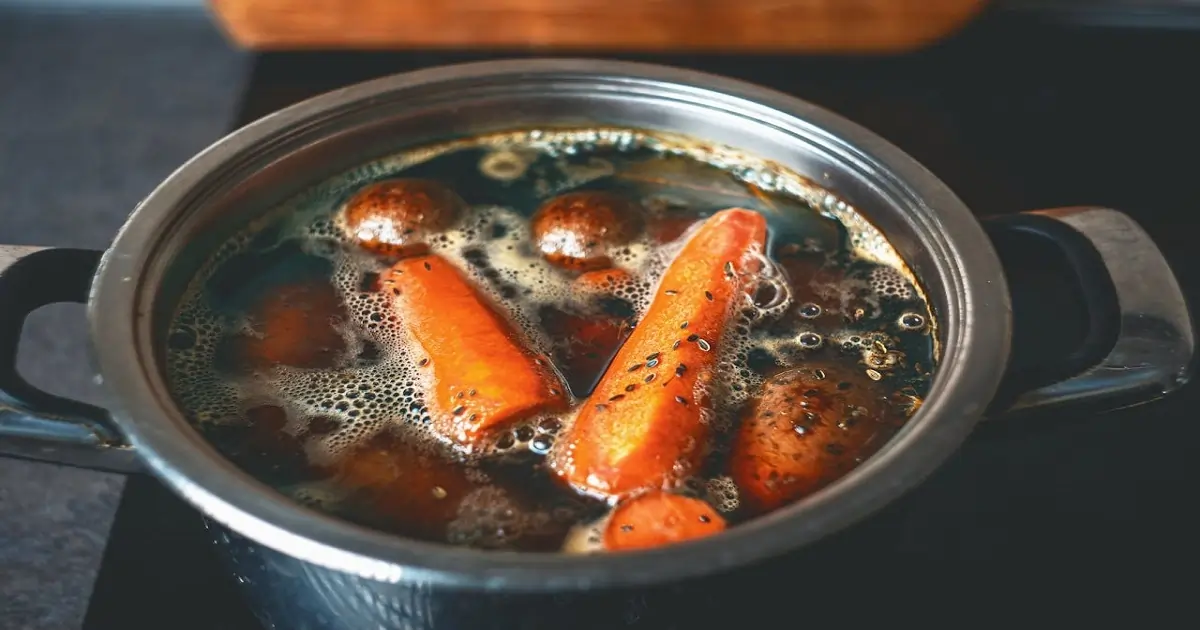
Boiling is one of the oldest cooking methods. It uses water and heat to soften foods quickly. However, boiling may lead to nutrient loss in some cases.
Water-soluble vitamins and some minerals can move into the cooking water. When the water is thrown away, part of these nutrients may also be lost.
This explains why people often ask whether boiling vegetables removes nutrients. The answer depends on cooking time and the amount of water used.
Broccoli is a good example. Boiling broccoli for a long time may reduce some vitamins that support normal body functions. Therefore, shorter cooking times often help maintain more nutrients.
Steaming and Microwaving
Steaming cooks food using hot vapor rather than direct contact with water. Because vegetables do not sit in water, fewer nutrients dissolve during cooking.
Microwaving works differently. It heats food quickly using short bursts of energy. As a result, cooking time is usually shorter.
These methods often help maintain more vitamins in vegetables. Besides this, they require little or no added water. Therefore, many nutrients remain in the food instead of moving into cooking liquid.
Roasting, Grilling, and Frying
Roasting, grilling, and frying use higher temperatures than many other cooking methods. These techniques often create appealing textures and flavors in food.
Fat-soluble vitamins such as vitamins A and E usually remain more stable during moderate heat. These nutrients dissolve in fat and tolerate cooking better than water-soluble vitamins.
However, very high heat can still affect delicate compounds in food. Long roasting or intense grilling may reduce certain sensitive nutrients.
Even so, these cooking methods can still be part of a balanced diet when used carefully. Moderate cooking times often support better nutrient levels while improving flavour and texture.
Do Vegetables Lose Nutrients When Cooked?
Many people wonder whether vegetables lose nutrients after cooking. The answer depends on the cooking method and the nutrient involved. Some nutrients decrease with heat, while others become easier for the body to use.
Vitamin C is one example. It dissolves easily in water and reacts to heat. Therefore, boiling vegetables for a long time may reduce some of this vitamin. Cooking water can also carry part of it away.
However, not all nutrients decrease during cooking. In some vegetables, heat softens plant cell walls and releases compounds that support absorption. As a result, certain nutrients become more available to the body.
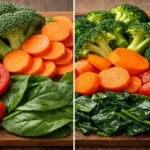
Carrots are a good example. Cooking carrots helps release beta carotene, a compound associated with vitamin A. This nutrient plays a role in normal vision and immune function.
Tomatoes show a similar pattern. Cooking them helps release lycopene, an antioxidant associated with normal cellular protection.
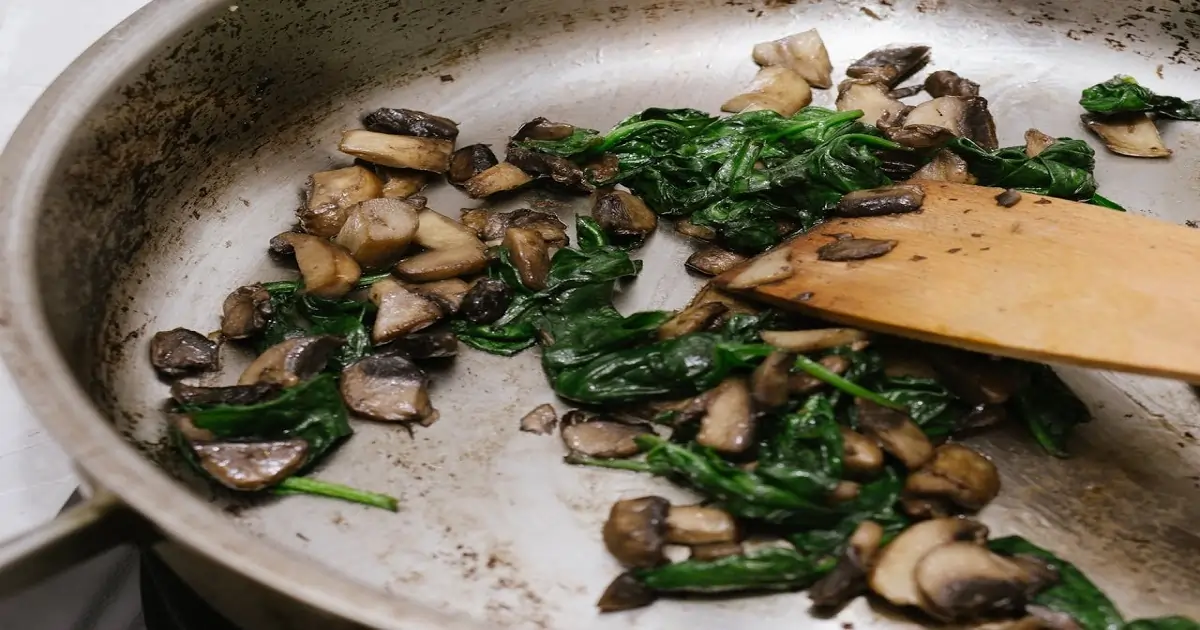
Spinach behaves differently. Some vitamins decrease with long boiling, yet minerals often remain stable. These minerals contribute to normal body processes and help maintain important functions.
Research on vegetable cooking and vitamin retention appears in effect of different cooking methods on vitamin retention in vegetables.
Even after cooking, vegetables remain valuable foods. Many cooked vegetables are still among the most nutrient-dense foods across food groups and continue to be part of a balanced diet.
Which Cooking Methods Preserve Nutrients Best?
Cooking methods influence how well nutrients remain in food. Temperature, cooking time, and water exposure all play a role in nutrient retention.
Steaming is often considered one of the best methods. Vegetables cook through hot steam rather than sitting in water. Because of this, fewer vitamins dissolve during cooking.
Microwaving also helps maintain nutrients in many foods. The cooking time is short and little water is required. Therefore, water-soluble vitamins often remain more stable.
Stir-frying offers another method that supports nutrient retention. Vegetables cook quickly at moderate heat with small amounts of oil. This short cooking time helps maintain several nutrients important for normal function.
Minimal water cooking methods also help maintain nutrients. For example, lightly sautéing vegetables or steaming them briefly can reduce nutrient loss.
People often ask which cooking method destroys nutrients. In reality, no single method always removes nutrients. Long cooking times and large amounts of water tend to cause greater losses.
Cooking methods can change nutrient levels without greatly changing calories. This connection relates to the differences between nutrient density vs calorie density differences.
Choosing cooking techniques that use moderate heat and shorter cooking times helps maintain nutrients while keeping foods enjoyable and part of a balanced diet.
When Cooking Can Improve Nutrient Availability
Cooking does not always reduce nutrients. In many foods, heat actually helps the body use certain nutrients more easily. This change happens when cooking softens plant tissues.
Vegetables contain firm cell walls made of plant fibers. These walls protect nutrients inside the cells. However, gentle cooking softens these structures and releases nutrients that the body can absorb.
Tomatoes provide a well-known example. Cooking tomatoes helps release lycopene, a compound associated with normal cellular protection. Lycopene contributes to antioxidant activity that supports normal body functions.
Carrots show a similar pattern. Heat helps release beta carotene from plant cells. This compound plays a role in normal vision and immune function.
These changes occur because cooking breaks down rigid plant cell structures. Softer cell walls allow nutrients to move out of the plant tissue during digestion. Additional insights about these changes appear in how food preparation influences nutrient availability.
Cooking can sometimes change how nutrients are absorbed without greatly altering energy content. This idea relates to how energy-dense foods in nutrition are evaluated.
Simple Ways to Reduce Nutrient Loss During Cooking
Small cooking choices can help maintain more nutrients in food. Many nutrient losses occur due to long cooking times or large amounts of water. Therefore, simple adjustments can make a difference.
Using less water during cooking helps maintain water-soluble vitamins. For example, steaming vegetables instead of boiling reduces the amount of vitamins that dissolve into water.
Shorter cooking times also help maintain nutrients. Quick cooking methods expose food to heat for less time. As a result, delicate vitamins remain more stable.
Moderate heat is another helpful factor. Very high temperatures may affect sensitive nutrients. Cooking food gently often supports better nutrient retention.
Cooking vegetables whole can also help maintain nutrients. Cutting vegetables into small pieces increases their surface area. Therefore, nutrients may escape more easily during cooking.
These simple habits support better nutrient retention in everyday meals. They help maintain important vitamins and minerals while keeping foods enjoyable and part of a balanced diet.
Conclusion
Cooking changes the nutrients in food, but this does not mean cooked food loses its value. Heat, water, and air may reduce certain vitamins. However, cooking also helps release some nutrients from plant cells.
Different cooking methods affect nutrients in different ways. Boiling may reduce some water-soluble vitamins, while steaming or quick cooking helps maintain more nutrients. Therefore, the way food is cooked plays a role in the final nutrient content.
Cooking also improves food safety and digestibility. Heat softens plant fibers and makes many foods easier to chew and digest. This process helps the body absorb nutrients that support normal body functions.
Balanced cooking methods help maintain both flavor and nutrition. Using moderate heat and reasonable cooking times supports nutrient retention. As a result, cooked foods continue to be an important part of a balanced diet.
Disclaimer:
This article is for informational purposes only. It discusses general food-related topics and does not provide medical advice. Nutritional needs vary between individuals, and food choices should be part of a varied and balanced diet. For personal health concerns, consult a qualified professional.