


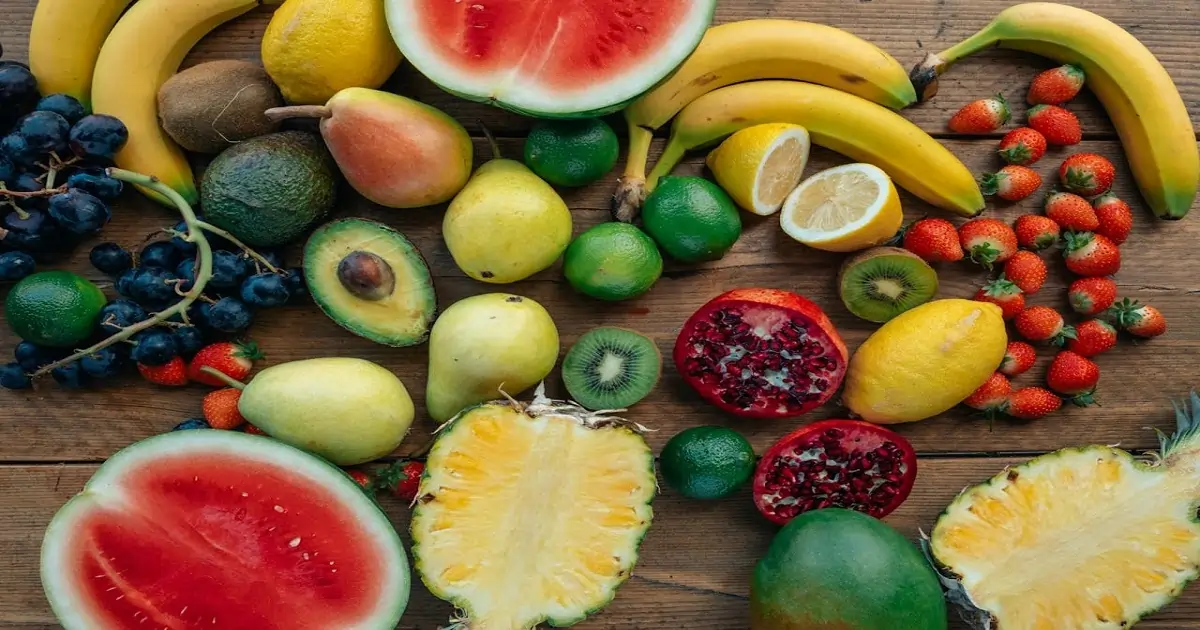
Fruits are a natural part of everyday eating and appear in many forms across meals. The types of fruits and their role in diet often come up when people think about balanced food choices. From citrus to berries, each type contributes something different to daily intake.
They contain essential nutrients such as vitamins, fiber, and natural compounds. These elements support normal body functions and help maintain overall balance. Besides, fruits are often associated with freshness and variety in meals.
The role of fruits in diet goes beyond simple taste. They contribute to hydration, add natural sweetness, and support digestive balance. Therefore, understanding the importance of fruits, along with their types and nutrients, helps create a more complete and practical approach to everyday nutrition.
What Is the Role of Fruits in the Diet?
Fruits play a role in the diet by providing essential nutrients, fiber, and natural compounds that support normal body functions. They are part of a balanced diet and contribute to overall dietary variety.
Fruits contribute to daily intake in a simple and natural way. They are easy to include in meals or snacks. Besides, they add color, taste, and freshness to everyday food choices. This makes them a practical option for regular eating.
They are also a natural source of vitamins and dietary fiber. These nutrients support digestion and help maintain normal function in the body. Furthermore, fruits are associated with light and refreshing foods that fit well into daily routines.
The role of fruits in diet also includes maintaining balance. They complement other food groups without replacing them. Therefore, their inclusion helps maintain variety and supports steady eating patterns.
The importance of fruits becomes clear when looking at their overall contribution. They provide both nutrients and natural energy. As a result, fruits continue to be an important part of balanced eating habits.
Types of Fruits and Their Classification
Fruits are grouped into different categories based on their structure, origin, and common features. This classification of fruits helps in understanding how they differ from each other. It also makes it easier to study the types of fruits and their uses in daily eating.

Citrus Fruits
Citrus fruits are known for their tangy taste and juicy texture. Common examples include oranges, lemons, limes, and grapefruits. These fruits are associated with a refreshing flavor and are often consumed as juices or whole.
They usually have a thick outer peel and segmented inner flesh. Citrus fruits contribute to daily intake by providing vitamin C and water content. Therefore, they are commonly included as part of a balanced diet.
Tropical Fruits
Tropical fruits grow in warm climates and are often sweet and rich in flavor. Examples include mangoes, bananas, pineapples, and papayas. These fruits are widely consumed due to their taste and availability.
They are associated with soft textures and vibrant colors. Tropical fruits contribute to energy intake and help maintain variety in meals. Besides, they are often eaten fresh or added to dishes for natural sweetness.
Berries
Berries are small, soft fruits that usually contain seeds inside. Examples include strawberries, blueberries, and grapes. They are often grouped together based on their size and structure.
These fruits are associated with bright colors and a slightly sweet or tangy taste. Berries contribute to daily intake by adding variety and texture. Furthermore, they are easy to include in snacks or simple meals.
Stone Fruits
Stone fruits contain a large seed or “stone” in the center. Common examples include peaches, cherries, plums, and apricots. These fruits have a soft outer flesh surrounding a hard inner seed.
They are associated with juicy textures and seasonal availability. Stone fruits contribute to balanced eating by offering natural sweetness. Therefore, they are often included in fresh or cooked forms.
Pomes and Other Common Categories
Pomes include fruits like apples and pears, which have a firm texture and a core with seeds. These fruits are widely consumed and are easy to store and use.
Other common categories include mixed fruits that do not fit neatly into one group. For example, melons and guavas are often grouped based on common use. This classification of fruits helps organize different types of fruits in a simple way.
Key Nutrients Found in Fruits
Fruits are natural carriers of essential nutrients that support daily body functions. They provide a mix of vitamins, fiber, and plant compounds. Therefore, the nutritional value of fruits plays a role in maintaining balance and variety in everyday eating, aligning with why 5 a day matters for fruit and vegetable intake.
Vitamins
Fruits are widely known for their vitamin content, especially vitamin C, vitamin A, and folate. Citrus fruits and berries are associated with vitamin C, which supports normal function and helps maintain body systems.
Vitamin A is found in fruits like mangoes and papayas, contributing to normal vision and skin function. Folate, present in some fruits, plays a role in cell function. Therefore, these vitamins contribute to daily intake and support balanced nutrition.
The value of including fruits regularly is also linked with their vitamin and fiber content, which are important for normal function.
Dietary Fiber
Dietary fiber in fruits supports digestion and helps maintain regular bowel movement. Fruits such as apples, pears, and bananas contain fiber that contributes to digestive balance.
Fiber also slows digestion slightly, which helps maintain steady energy levels. Besides, it is associated with feeling full after eating. This makes fruits a practical part of a balanced diet.

Antioxidants and Plant Compounds
Fruits contain natural plant compounds often referred to as antioxidants. These compounds are associated with bright colors in fruits like berries and grapes.
They contribute to normal body processes and support overall balance. Furthermore, these compounds are part of the nutritional value of fruits and add to their importance in daily eating patterns.
Natural Sugars and Water Content
Fruits contain natural sugars that provide a quick source of energy. Unlike added sugars, these come along with fiber and water. Therefore, they contribute to a more balanced intake.
Fruits also have high water content, especially in melons and citrus fruits. This helps maintain hydration and supports normal body function.
Dietary Role of Fruits in Daily Nutrition
Fruits contribute to daily nutrition through functions that go beyond their basic nutrient content. They support normal body functions while adding variety and freshness to meals. Therefore, the role of fruits in diet includes both functional and practical benefits.
These foods are also associated with dietary patterns that include fruits and vegetables regularly, which supports balance and variety in everyday eating.
Supporting Digestive Balance
Fruits support digestion mainly through their fiber content. This helps maintain regular movement in the digestive system. Besides, fiber contributes to gut comfort and balance.
Many fruits are easy to digest and can be included at different times of the day. Therefore, they play a role in maintaining a smooth and steady digestive process.
Contribution to Hydration
Many fruits contain a high amount of water, which supports hydration. Fruits like watermelon, oranges, and strawberries contribute to fluid intake in a natural way.
This water content helps maintain body balance, especially in warm conditions. Furthermore, including fruits regularly supports hydration alongside other fluids.
Role in Variety and Dietary Diversity
Fruits add variety to meals through different colors, textures, and flavors. This variety helps maintain interest in daily eating habits. Besides, different fruits contribute different nutrients, which supports overall balance.
Including fruits alongside other foods supports balanced intake across food groups. Therefore, they play a role in creating a more complete and practical diet.
The importance of fruits lies in their ability to fit easily into meals. They are flexible, accessible, and associated with healthy eating patterns.
Common Examples of Fruits and Their Dietary Use
Fruits are easy to include in daily meals due to their variety and availability. Different types of fruits offer different tastes and textures. Therefore, they fit well into simple eating habits and contribute to everyday food choices.
Commonly Consumed Fruits
Apples are widely eaten and are associated with fiber content. Bananas are soft and contribute to quick energy. Oranges are refreshing and support hydration.
Mangoes are sweet and often enjoyed seasonally. Grapes are small and easy to consume as snacks. Papayas are soft and contribute to digestive balance.
Watermelons are rich in water and help maintain hydration. Pineapples are juicy and add flavor to meals. Guavas are firm and associated with fiber.
These examples show how different types of fruits contribute to daily intake. Each fruit plays a role in maintaining variety and balance.
Fruits in Everyday Use
Fruits can be eaten on their own or combined with other foods. They work well as snacks between meals. Besides, they can be added to breakfast or light meals.
They are also used in simple preparations like fruit bowls or mixed dishes. Therefore, fruits contribute to daily eating without much effort. Their flexibility highlights the importance of fruits in regular food habits.
Recommended Intake and Dietary Considerations for Fruits
Fruits are best included as part of daily meals in a simple and flexible way. There are no strict rules for everyone. However, regular inclusion helps maintain balance and supports normal body function over time.
Including fruits regularly is also part of a balanced diet, where different food groups contribute together to overall intake.
Daily Intake Patterns
Fruits can be added at different times of the day. For example, they work well as a morning option, a light snack, or part of a meal. This flexibility makes them easy to include in daily routines.
Eating a mix of fruits supports variety and contributes to overall intake. Besides, choosing different types of fruits helps maintain a range of nutrients. Therefore, a balanced approach is more useful than fixed patterns.
Whole Fruits vs Processed Forms
Whole fruits are often preferred because they contain fiber along with natural sugars. This combination helps maintain steady digestion and supports normal function.
Fruit juices, on the other hand, may contain less fiber and are often consumed quickly, which is linked to how whole and processed foods differ in structure and composition.
Therefore, they may not provide the same balance as whole fruits. However, they can still be included in moderation.
Choosing whole fruits more often supports better intake patterns. It also helps maintain the natural structure of food, which contributes to a balanced diet.
Why Fruits Remain an Essential Part of Nutrition
Fruits remain important because they are easy to include and widely available. They support daily eating patterns without adding complexity. Therefore, they continue to be part of a balanced diet across different lifestyles.
They also contribute to consistency in food choices. Regular intake helps maintain variety and supports normal body function. Besides, fruits are associated with natural and simple eating habits.
Their accessibility makes them suitable for different age groups and preferences. People can choose from many types of fruits based on taste and availability.
The importance of fruits lies in their ability to fit into daily routines with ease. They contribute to balance, variety, and steady intake, which supports long-term dietary habits.
Conclusion
Fruits remain a simple and practical part of everyday eating. They contribute to daily intake through their nutrients, natural taste, and variety. Besides, their presence in meals fits into daily meals without making food choices complex.
Different types of fruits offer different benefits, which supports variety in the diet. This variety plays a role in maintaining steady and consistent eating habits. Therefore, including fruits regularly helps maintain a more complete approach to nutrition.
The importance of fruits is closely associated with their ease of use and wide availability. They fit naturally into meals and snacks. As a result, fruits continue to be an important part of a balanced diet and support long-term dietary patterns.
Disclaimer:
This article is for informational purposes only. It discusses general food-related topics and does not provide medical advice. Nutritional needs vary between individuals, and food choices should be part of a varied and balanced diet. For personal health concerns, consult a qualified professional.