Walk through any grocery store and you will see labels like natural, fresh, and processed. The word processed often sounds negative. However, not all processing is the same.
Washing, freezing, grinding, and packaging are also forms of processing. Some methods simply improve safety and shelf life. Others change texture, flavor, and nutrient content. Therefore, the real issue is not processing itself but the degree of processing.
Many people feel unsure about what counts as a whole food. They also wonder whether processed foods harm health. This article explains clear definitions and shows how processing exists on a spectrum. It also discusses how different levels of processing are associated with overall food quality and long-term health patterns.
What Are Whole Foods
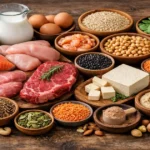
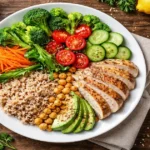
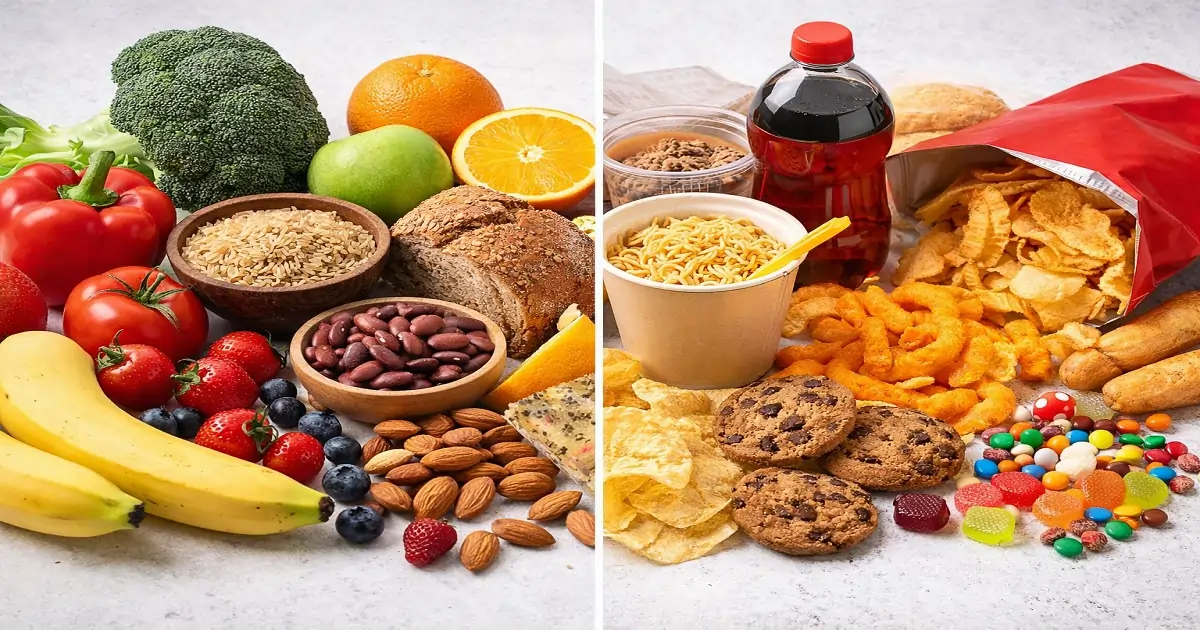
Whole foods are foods that stay close to their natural form. They grow from plants or come from animals with little change. These foods do not contain added refined sugars, oils, or artificial ingredients.
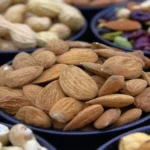
For example, a fresh apple is a whole food. Brown rice, lentils, spinach, and raw almonds also fit this group. These foods look similar to how they appear in nature. Therefore, they are easy to recognize.
Whole grains keep their bran and germ layers. Legumes keep their natural fiber and protein. Fresh vegetables keep their water content and structure. Because of this, they contribute to steady digestion and help maintain normal body functions.
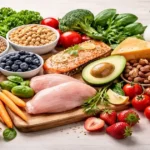
Whole foods are often part of a balanced diet. They support nutrient intake and play a role in daily energy balance. However, being whole does not mean perfect. It simply means the food has not been heavily altered.
Common Characteristics of Whole Foods
Whole foods usually have a short ingredient list. In many cases, the list contains only one item. An orange is just an orange.
They also keep their natural fiber structure. This fiber supports digestion and helps maintain fullness. Besides that, the original texture and shape remain mostly unchanged.
Mechanical changes are minimal. Washing, cutting, or drying may occur. However, the food still looks and behaves like its original form.
What Are Processed Foods
Processed foods include any food that has been changed from its original state. These changes may involve cutting, heating, freezing, fermenting, or adding ingredients. Therefore, processing covers a wide range of methods.
For instance, frozen peas are processed because they are blanched and frozen. Canned beans are processed due to heating and sealing. Bread is processed because grains are milled and baked.
Processing can involve mechanical methods such as grinding or mixing. It can also involve thermal methods like boiling or baking. Some foods include added salt, sugar, or preservatives to extend shelf life.
However, processing does not automatically make a food unhealthy. Some methods help maintain safety and reduce waste. Pasteurizing milk, for example, supports food safety. Freezing vegetables helps maintain nutrients over time.
The degree of processing matters more than the word itself. Light processing may simply prepare food for storage. Heavy processing often changes texture, flavor, and nutrient balance.
Why Foods Are Processed
Food processing plays a role in modern food systems. It supports safety by reducing harmful microbes. Heating and drying methods help maintain stability during storage.
Processing also improves shelf life. Canning and freezing allow foods to last longer without spoilage. Therefore, families can store food for weeks or months.
Convenience is another reason. Ready-to-cook grains or pre-cut vegetables save time. This can help maintain regular meal patterns in busy households.
Furthermore, some processing enhances taste and texture. Fermentation contributes to flavor in foods like yogurt or pickles. In this way, certain processed foods can still be part of a balanced diet when chosen wisely.
The Food Processing Spectrum: From Minimally Processed to Ultra-Processed
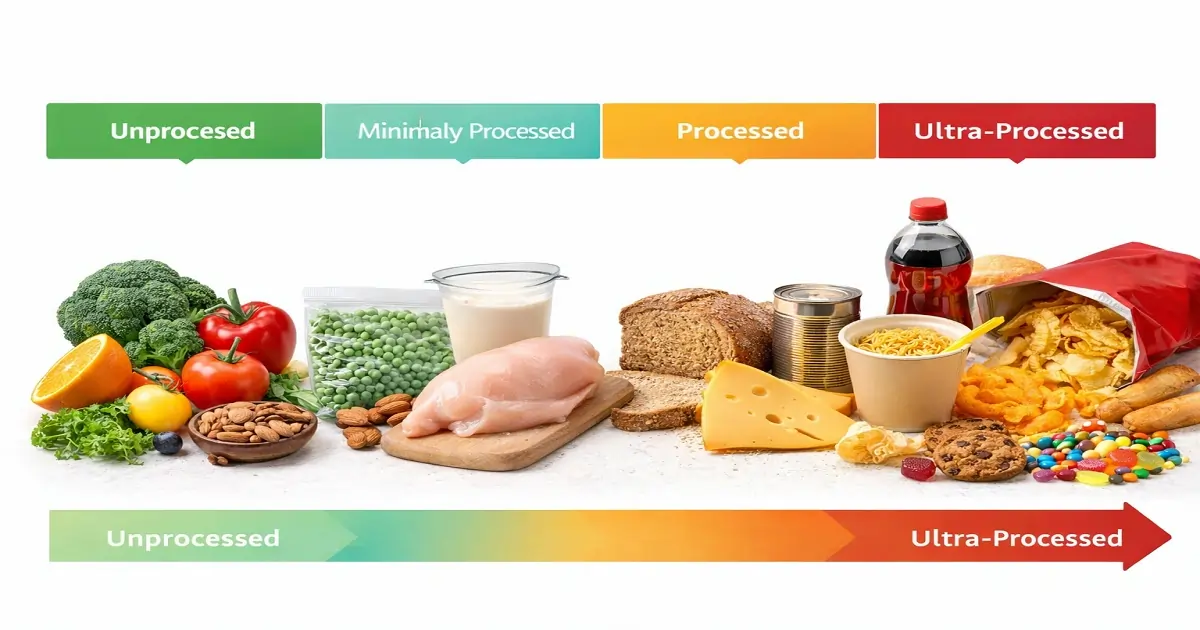
Food processing exists on a spectrum. Not all processed foods fall into the same group. Some changes are small and simple. Others involve many industrial steps. Therefore, understanding levels of processing helps clear confusion.
Researchers often group foods by how much they are altered. This classification explains the difference between unprocessed, lightly processed, and highly processed products. A detailed explanation of this system appears in research on identifying ultra-processed foods. It shows how foods move along a scale based on ingredients and methods.
This spectrum helps people see that processing is not just good or bad. Instead, the degree and purpose of processing matter most.
Minimally Processed Foods
Minimally processed foods remain close to their original state. Cleaning, cutting, freezing, or drying may occur. However, the food still looks natural.
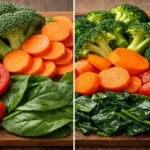
Examples include washed spinach, frozen peas, plain yogurt, and roasted nuts without additives. These foods keep their basic structure and fiber. Therefore, they help maintain normal digestion and steady energy levels.
Such foods are often part of a balanced diet. They support nutrient intake without major alteration.
Processed Culinary Ingredients
This group includes substances taken from whole foods. They are used in cooking rather than eaten alone. Examples include vegetable oils, butter, sugar, and salt.
These ingredients contribute to flavor and texture. However, they do not usually provide the full structure of the original food. Used in small amounts, they can still be part of a balanced diet.
Processed Foods
Processed foods combine whole foods with culinary ingredients. Baking, canning, or fermenting often occurs. Fresh bread, canned beans, and cheese fit here.
These foods may contain added salt or sugar. Still, they often retain much of their original structure. Therefore, many processed foods can support daily nutrition when chosen carefully.
Ultra-Processed Foods
Ultra-processed foods go through multiple industrial steps. They often include refined starches, added sugars, flavor enhancers, and emulsifiers. Packaged snacks, sugary drinks, and instant noodles are common examples.
These products often contain long ingredient lists. Their original food structure becomes hard to recognize. High intake is associated with lower fiber intake and higher energy density. Therefore, frequent consumption may affect overall dietary patterns.
Understanding this spectrum helps separate minimally processed foods from heavily formulated products. It also captures the real difference between unprocessed and ultra-processed foods.
Are Whole Foods Healthier Than Processed Foods?
This question does not have a simple yes or no answer. It depends on the type and degree of processing. However, whole foods usually keep their natural structure and fiber.
When foods remain intact, digestion slows down. This helps maintain steady blood sugar levels. Fiber also contributes to fullness and supports gut health.
In contrast, many ultra-processed foods contain added sugars, refined oils, and extra sodium. These ingredients increase flavor and shelf life. However, they often reduce natural fiber and structural integrity.
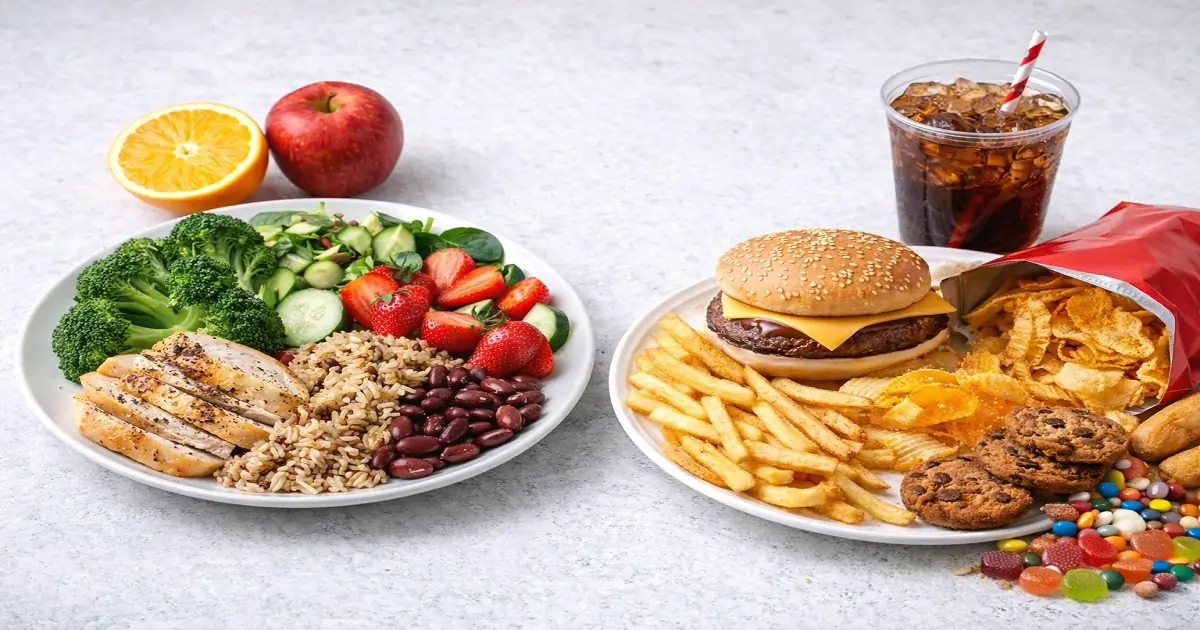
Diet patterns high in ultra-processed foods are associated with poorer overall diet quality. Evidence linking higher intake of these foods with adverse health patterns appears in processed foods and health outcomes research. Such patterns may contribute to higher energy intake and lower nutrient balance.
Processing can also influence vitamin and mineral levels. Heat and refining sometimes reduce micronutrient content. Understanding how food quality changes connects closely with the framework in food quality and nutrient evaluation.
When nutrient levels shift during processing, it affects overall dietary value. This idea links to micronutrient concentration and food value.
In general, whole foods support balanced eating patterns. However, not all processed foods are harmful. The key lies in ingredient complexity and frequency of intake.
Common Questions About Processed Foods
Food labels often create confusion. Many everyday foods go through some level of processing. However, the type and purpose of processing can vary widely.
People often ask whether common foods like eggs, frozen vegetables, or packaged snacks count as processed. Understanding these differences helps clarify how foods fit into daily eating patterns.
Are Eggs a Processed Food?
Whole eggs are generally not considered processed foods. They come directly from animals and keep their natural structure. Washing or refrigerating eggs does not significantly change their composition.
However, eggs can become processed in certain forms. Powdered eggs, liquid egg mixes, and packaged omelet products often include additives or stabilizers. These changes alter the original form.
Still, regular eggs remain close to their natural state. They provide protein, vitamins, and minerals important for normal body function. Therefore, eggs can contribute to balanced meals when eaten in reasonable amounts.
Are Frozen or Canned Foods Considered Processed?
Frozen and canned foods are usually classified as processed. Yet the level of processing often remains minimal. Freezing vegetables simply slows spoilage and helps maintain freshness.
For example, frozen peas or spinach usually contain no added ingredients. They keep much of their fiber and nutrients. Therefore, they still contribute to a balanced diet.
Canned foods may involve additional ingredients. Salt or sugar sometimes helps maintain flavor and shelf stability. Choosing varieties with fewer additives helps maintain overall food quality.
What Are Examples of Highly Processed Foods?
Highly processed foods often contain several ingredients and industrial additives. These products go through multiple manufacturing steps. As a result, the original food structure becomes less recognizable.
Sugary beverages are a common example. They contain refined sugars and flavorings with little natural fiber. Packaged snack foods also fall into this group because they often include refined starches and oils.
Reconstituted meat products are another example. These foods combine processed meat with additives and flavor enhancers. Sweetened breakfast cereals may also contain added sugars and refined grains.
Frequent intake of these foods is associated with higher energy intake and lower fiber consumption. Therefore, moderation helps maintain balanced dietary patterns.
Health Impact of High Intake of Ultra-Processed Foods
Ultra-processed foods often contain higher levels of sodium, refined sugars, and added fats. These ingredients improve taste and shelf life. However, they may also influence long-term dietary balance.
Many of these foods contain less natural fiber. Fiber helps maintain digestive health and contributes to fullness. When fiber intake drops, overall diet quality may change.
Another feature is strong flavor and texture. Scientists often describe this as hyper-palatability. These foods become easy to eat quickly and in large portions.
Ultra-processed foods also tend to have high energy concentration. In other words, they provide many calories in small portions. At the same time, they may supply fewer vitamins and minerals.
This pattern reflects the relationship between energy density and micronutrient balance highlighted in energy density and nutrient balance. Foods with high energy but lower micronutrient levels may affect dietary balance over time.
Large population studies have examined how frequent intake of ultra-processed foods relates to overall diet quality and long-term health patterns. Evidence from ultra-processed foods and health outcome research shows associations between frequent consumption and lower overall dietary quality.
Therefore, reducing heavy reliance on highly processed foods helps maintain balanced eating patterns. Whole and minimally processed foods still play an important role in daily nutrition.
Whole vs Processed Foods: Practical Perspective
The discussion around whole and processed foods often becomes too simple. Many people view the issue as good versus bad. However, food processing exists on a continuum. The degree of change matters more than the label itself.
Some processing methods help maintain safety and freshness. Freezing vegetables, drying grains, or fermenting dairy supports food preservation. These methods often keep most nutrients and structure intact. Therefore, such foods can still be part of a balanced diet.
Other foods go through many industrial steps. They may contain refined sugars, added fats, and flavor enhancers. Frequent intake of these products is associated with higher energy intake and lower fiber consumption. Besides that, their ingredient lists often become long and complex.
Context also matters in everyday eating. A bowl of canned beans with vegetables supports balanced meals. However, relying heavily on packaged snacks may change dietary balance over time. Therefore, both the type of food and the frequency of intake play a role.
Understanding the continuum helps remove confusion. Whole foods support natural nutrient structure and fiber. Minimally processed foods often contribute to convenience while maintaining nutritional value. Ultra-processed foods, however, may shift dietary patterns when consumed often.
This perspective encourages thoughtful food choices rather than strict rules. Recognizing the level of processing helps maintain balanced eating patterns in daily life.
Conclusion: Understanding the Difference Without Oversimplifying
Whole and processed foods often appear as opposite ideas. However, the difference is not always simple. Food processing exists on a spectrum that ranges from minimal changes to complex industrial formulations.
Whole foods usually keep their natural structure and ingredients. Therefore, they often support nutrient balance and fiber intake. Minimally processed foods may also contribute to daily nutrition when they keep most of their original qualities.
Ultra-processed foods, on the other hand, contain multiple refined ingredients and additives. Frequent intake is associated with dietary patterns that include more sugar, salt, and energy-dense ingredients.
Understanding this classification helps people evaluate foods more clearly. The goal is not fear or strict avoidance. Instead, awareness of processing levels supports informed choices and helps maintain balanced eating habits over time.
Disclaimer:
This article is for informational purposes only. It discusses general food-related topics and does not provide medical advice. Nutritional needs vary between individuals, and food choices should be part of a varied and balanced diet. For personal health concerns, consult a qualified professional.