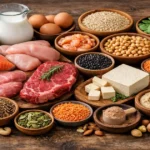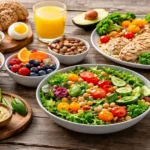

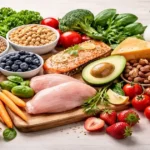
Energy-dense foods contain a high number of calories in a small portion. In simple terms, they provide more calories per gram than foods with high water or fiber content. Fat, for example, carries more calories per gram than carbohydrates or protein. Therefore, foods rich in fat often feel small but deliver substantial energy.
However, energy density is not automatically good or bad. Its value depends on context. Athletes, growing teenagers, or people with high activity levels may benefit from higher energy intake. Similarly, individuals with low appetite or recovery needs may require concentrated calories.
On the other hand, those with lower activity levels may need moderation. Understanding when energy-dense foods matter helps you make informed choices without confusion or extremes.
What Are Energy-Dense Foods?
Energy-dense foods provide a high amount of calories in a small portion. This means you can eat a small serving and still consume many calories.
These foods are often rich in fat. However, they may also include concentrated carbohydrates. Energy density plays a role in how filling a food feels compared to its calorie content. Therefore, understanding this concept helps you make sense of portion sizes and overall intake.
Energy-dense foods are not automatically unhealthy. In fact, they can be part of a balanced diet when used thoughtfully. Their impact depends on total intake, activity level, and individual needs.
Understanding Energy Density in Simple Terms
Energy density refers to the number of calories in one gram of food. Foods higher in fat usually contain more calories per gram. Fat provides about nine calories per gram, while carbohydrates and protein provide four.
Water and fiber lower energy density. For example, fruits and vegetables contain more water. Therefore, they provide fewer calories per gram and feel more filling.
On the other hand, nuts and oils contain little water. As a result, they are more energy-dense. This difference explains why portion size matters when eating calorie-rich foods.
How Energy Density Is Measured
Scientists measure energy density by calculating calories per gram of food. This value is expressed as kilocalories per gram. It reflects the contribution of fat, carbohydrates, and protein in that food.
Research examining dietary energy density and total food intake patterns supports this method of calculation. It explains how water content lowers calorie concentration, while higher fat levels increase calories per gram.
This measurement helps explain why some foods provide concentrated energy in smaller amounts.
For a broader understanding of how this concept fits into daily eating decisions, see energy density in everyday food choices.
Why Energy-Dense Foods Exist in the Food Supply
Energy-dense foods exist for practical and biological reasons. Humans evolved in environments where food was not always available. Therefore, foods that provided more energy in small amounts supported survival.
Fat plays a major role in this pattern. It contains more calories per gram than other macronutrients. As a result, fatty foods provide concentrated energy. This energy supports growth, activity, and is important for normal function.
Traditional diets often included nuts, seeds, and natural oils. These foods are associated with long-term energy availability. They also contribute to daily calorie needs in physically active settings.
Modern food processing increases energy density further. Removing water through drying or frying raises calorie concentration. Besides that, adding fats or sugars increases total energy per serving. These foods can still be part of a balanced diet, depending on portion size and lifestyle.
What Are the Most Energy-Dense Foods?
Some foods contain far more calories per gram than others. Energy-dense foods usually have higher fat content or lower water content. Therefore, small portions may deliver substantial energy.
Understanding examples helps clarify common questions. What are the most energy-dense foods? What is the highest energy food you can eat? The answer often relates to fat concentration.
Natural Energy-Dense Foods
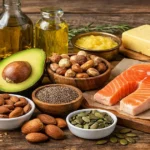
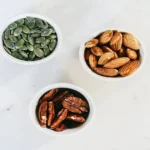
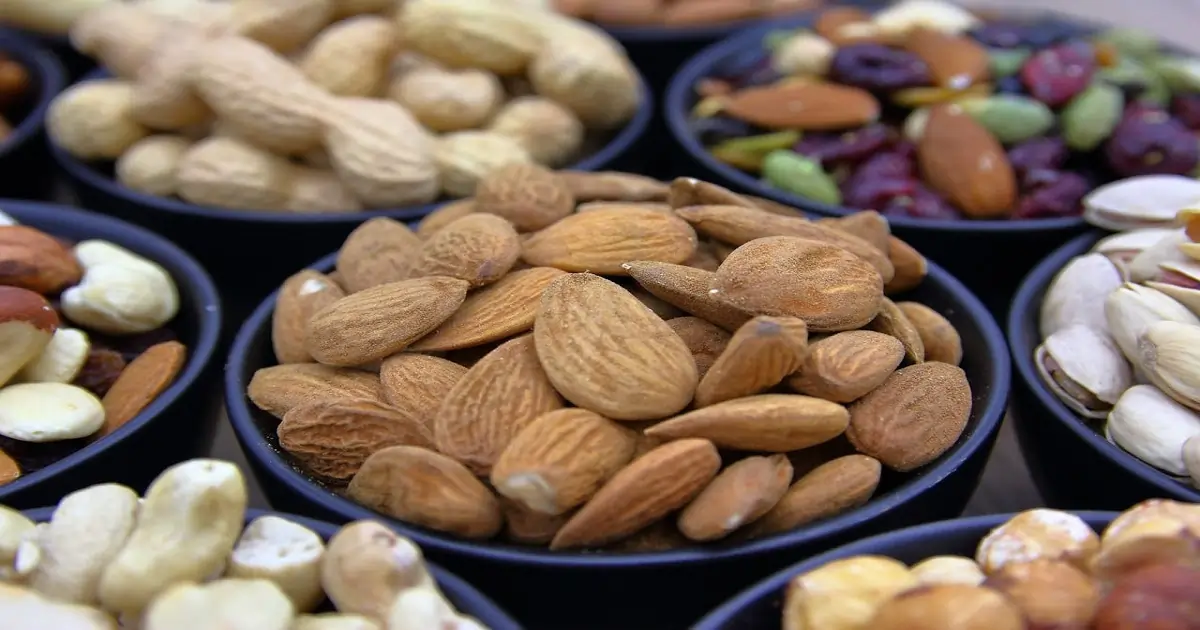
Natural energy-dense foods include nuts such as almonds and walnuts. Seeds like sunflower or chia seeds also provide concentrated calories. These foods contain healthy fats that support normal body processes.
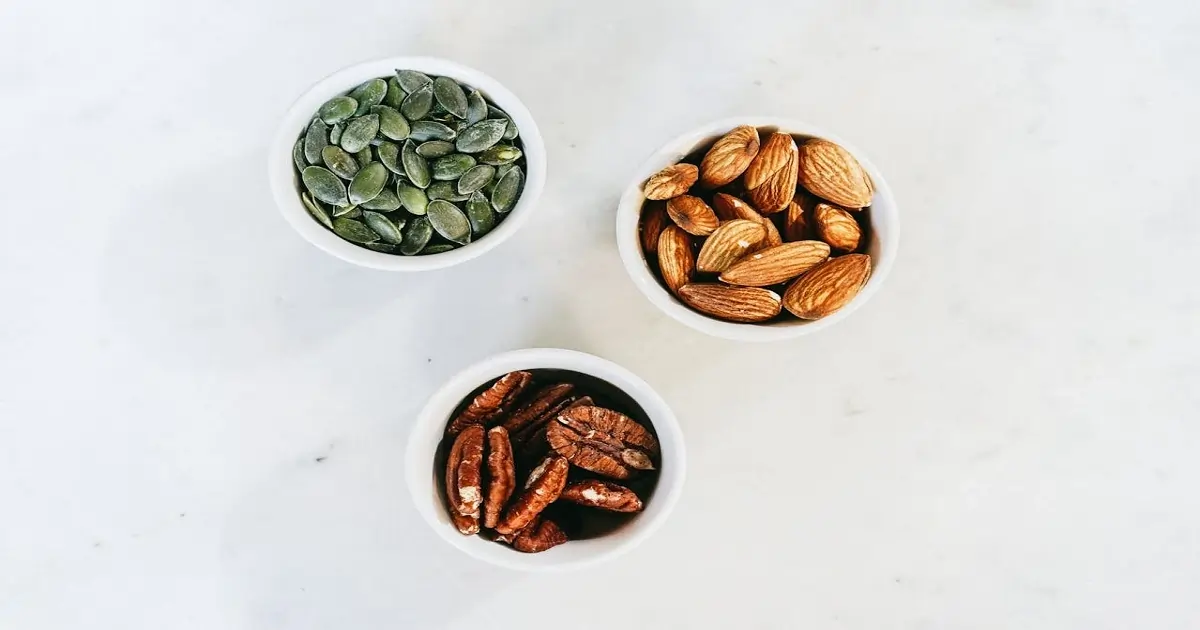
Nut butters are another example. Peanut butter and almond butter provide energy in small servings. Besides that, they contribute to daily nutrient intake and play a role in maintaining overall energy balance.
Dried fruits are also more energy-dense than fresh fruits. Removing water increases calorie concentration. Avocados and plant oils, such as olive oil, are naturally high in fat. Therefore, they provide more calories per gram. Many of these foods can be part of a balanced diet when portions match energy needs.
Processed and Ultra-Energy-Dense Foods
Processed foods often contain added fats and refined carbohydrates. Fried foods, pastries, and many fast food items are energy-dense because of their preparation methods.
Packaged snacks may also contain concentrated oils and sugars. These ingredients increase total calories per serving. However, energy density alone does not define overall food quality. Context and portion size still matter.
Highest Energy Foods by Calorie Concentration
Pure fats provide the highest calorie concentration. Oils contain about nine kilocalories per gram. Therefore, they are among the most energy-dense foods available.
Butter, ghee, and clarified fats also provide concentrated energy. These foods are associated with high fat content and minimal water.
So, what is the highest energy food you can eat? Pure oils rank at the top because they contain almost only fat.
Which Foods Give the Most Energy?
The answer depends on timing and activity level. Carbohydrate-rich foods often give quick energy. Bread, rice, or fruit raise blood glucose and help replenish glycogen stores. Glycogen supports short bursts of activity.
However, fats provide sustained energy over longer periods. The body uses fat oxidation during steady movement or low-intensity activity. Therefore, foods rich in fat help maintain longer-lasting fuel availability.
When someone asks which foods give the most energy, the response depends on purpose. For immediate activity, carbohydrates play a key role. For prolonged endurance, fats contribute to steady fuel supply.
Both sources support energy production in different ways. Together, they are part of a balanced diet and help maintain normal metabolic function.
When Energy-Dense Foods Are Beneficial
Energy-dense foods can be helpful in many situations. Their value depends on energy needs, activity level, and physical demands. Therefore, context matters more than labels.
These foods provide concentrated calories in small portions. That feature supports people who require more energy but cannot eat large meals. Besides that, they play a role in maintaining body weight during periods of high demand. When used thoughtfully, they can be part of a balanced diet.
For Athletes and High-Activity Individuals
Athletes and highly active individuals burn more calories daily. Training sessions increase energy expenditure and glycogen use. Therefore, they often require higher total energy intake.
Sports nutrition research highlights how energy intake and body composition in trained individuals contribute to performance and recovery. Adequate calories support muscle repair and help maintain endurance.
Energy-dense foods can make it easier to meet those needs without excessive meal volume.
For Underweight Individuals or Recovery
People with low body weight may struggle to meet calorie targets. Small appetites can limit intake. Therefore, energy-dense foods help increase calories without large portions.
During recovery from illness or injury, the body uses more energy. Concentrated foods contribute to restoring energy balance. They support normal function and help maintain body weight when appetite is reduced.
For Limited Appetite or Clinical Situations
Some individuals experience reduced appetite due to age or stress. In such cases, eating large meals feels difficult. Energy-dense options provide needed calories in manageable portions.
Healthy fats, nut butters, and fortified snacks can contribute to daily intake. These foods play a role in meeting nutritional needs when overall consumption is low.
For Survival, Travel, and Food Security
In remote settings or during travel, lightweight foods matter. Energy-dense foods provide substantial calories without bulk. Therefore, nuts, seeds, and dried foods are practical choices in limited-resource situations.
When Energy-Dense Foods May Require Moderation
Although energy-dense foods can be useful, moderation is important in some lifestyles. Individuals with low physical activity may not require concentrated calories. Therefore, frequent intake of energy-dense or calorie-rich foods may exceed daily energy needs.
Research exploring dietary energy density and weight management patterns shows that high energy density is associated with increased total calorie intake. Foods low in water and fiber may provide less fullness per calorie.
Portion awareness becomes essential in sedentary routines. Small servings can contain many calories. Besides that, modern food environments encourage large portions and easy access.

Balancing intake with movement helps maintain energy equilibrium. A clear understanding of food quality and daily choices contributes to more thoughtful portion decisions and overall intake awareness.
Energy-dense foods can still be part of a balanced diet. However, intake should match activity level and overall needs.
How to Boost Energy Quickly
Many people ask, how do I boost energy quickly? The answer often involves carbohydrates. Foods like fruit, whole grain bread, or yogurt provide fast fuel. These options help replenish glycogen stores and support short-term activity.
Hydration also plays a role. Even mild dehydration may reduce alertness. Therefore, drinking water supports normal function and helps maintain energy levels.
Sleep is equally important. Lack of rest reduces stamina and concentration. Improving sleep patterns contributes to steady energy throughout the day.
Caffeine may provide temporary alertness. However, it works best when combined with adequate nutrition and rest. Quick energy helps in the short term. However, consistent habits support lasting vitality.
5 Foods That Help Fight Fatigue
Feeling tired often relates to low fuel, dehydration, or poor sleep. However, certain foods can help maintain steady energy during busy days. The key is choosing options that release energy gradually.
Oats are a simple example. They contain complex carbohydrates that support steady glucose levels. Therefore, they help maintain energy without sudden crashes.
Bananas provide natural sugars along with fiber. This combination contributes to quick yet controlled energy release. They are easy to carry and practical before activity.
Nuts offer healthy fats and some protein. These nutrients play a role in sustained energy between meals. Because they are energy-dense, small portions are usually enough.
Yogurt supports digestion and provides protein. It also contributes to satiety, which helps maintain focus. Eggs provide protein and fats that support normal function throughout the morning.
Foods that combine energy density with nutrient value often perform better in daily routines. Understanding what nutrient density really means adds useful context when choosing fatigue-supporting foods.
Energy-Dense vs Nutrient-Dense: Why the Distinction Still Matters
Energy density and nutrient density measure different things. Energy density reflects calories per gram. Nutrient density reflects the concentration of vitamins, minerals, and fiber.
Some foods are both energy-dense and nutrient-dense. Nuts and seeds are good examples. They provide concentrated calories and also contribute to essential nutrients.
Other foods may be energy-dense but low in micronutrients. Sugary snacks fall into this category. Therefore, calorie concentration alone does not define overall value.
Understanding the key differences between nutrient and calorie density helps clarify why context matters. Both metrics play a role in thoughtful food selection.
Practical Perspective: Using Energy Density Wisely
Energy density is a tool, not a label. Its usefulness depends on personal needs and daily movement. Therefore, lifestyle plays a major role in decision-making.
Someone training regularly may require more concentrated calories. Meanwhile, a sedentary routine may require smaller portions. Matching intake to expenditure helps maintain balance.
Energy-dense foods can be part of a balanced diet. They contribute to total energy intake and support normal function. However, awareness remains important.
Rather than avoiding or glorifying specific foods, focus on context. Consider activity level, appetite, and long-term habits. A measured approach supports steady energy and sustainable choices over time.
Conclusion
Energy-dense foods are neither good nor bad by nature. Their impact depends on context, portion size, and daily movement. Therefore, understanding how they fit into your routine makes a real difference.
For athletes or highly active individuals, concentrated calories support performance and recovery. For others with lower activity levels, moderation helps maintain balance. The same food can serve different purposes in different situations.
Energy-dense options can be part of a balanced diet when used thoughtfully. They contribute to total energy intake and support normal function.
Awareness plays a key role in long-term choices. When you understand energy needs and lifestyle demands, decisions feel clearer. In the end, energy-dense foods are tools. How you use them determines their value in your daily life.
Disclaimer:
This article is for informational purposes only. It discusses general food-related topics and does not provide medical advice. Nutritional needs vary between individuals, and food choices should be part of a varied and balanced diet. For personal health concerns, consult a qualified professional.