Food Groups and Nutrition
Food groups in nutrition classify foods based on their nutrient content and dietary role. This category covers fruits, vegetables, grains, protein foods, and dairy, along with the nutrients they provide. Each group contributes essential elements such as carbohydrates, proteins, fats, vitamins, and minerals that support body functions and overall health.
A balanced diet depends on including a variety of these groups in appropriate proportions. Organizing foods into defined groups helps maintain nutritional balance and supports consistent, well-structured eating patterns over time.
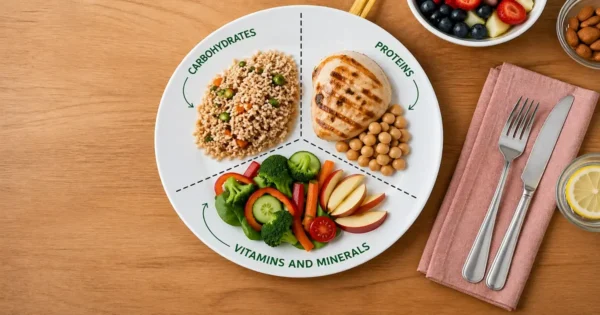
How to Build Balanced Meals: Combining Food Groups the Right Way
Balanced meals combine different food groups in the right proportions. They provide energy, support body functions, and help maintain overall health. In simple...
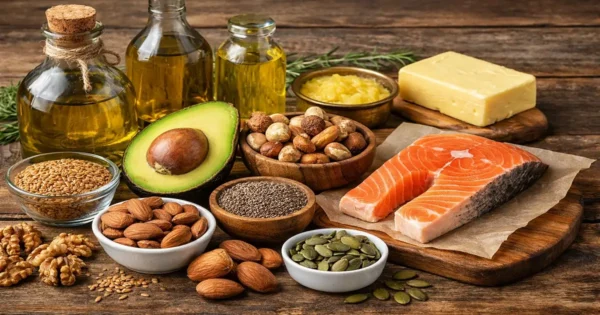
Fats and Oils in Nutrition: Types, Functions, and Food Sources
Fats and oils in nutrition are essential nutrients found in many everyday foods. They are a type of dietary fat that provides energy...

Nuts and Seeds: Benefits, Nutrition, Types, and Daily Intake
Nuts and seeds are small plant-based foods that are rich in nutrients and easy to add to daily meals. They include almonds, walnuts,...

Dairy Foods: 10 Examples, Nutrients, and Their Role in a Balanced Diet
Dairy foods are included in meals across many regions and cultures. These milk-based products are commonly used in everyday diets and are widely...
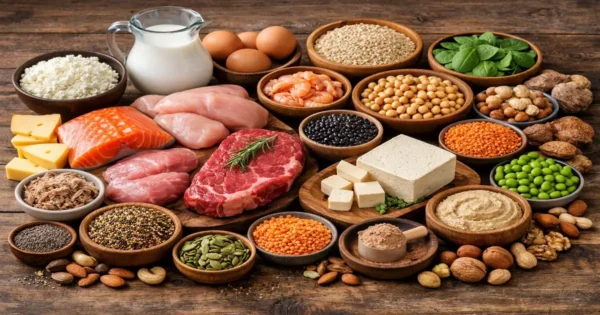
Protein Foods: Plant and Animal Sources, Types, and Examples
Protein-rich foods play an important role in daily eating and overall nutrition. They are part of many common meals and food choices. From...

What Are Grains in Nutrition? Types, Whole Grain Foods List, and Benefits
What are grains in nutrition? Grains are edible seeds from grasses like wheat, rice, and maize. They are widely used in daily meals...
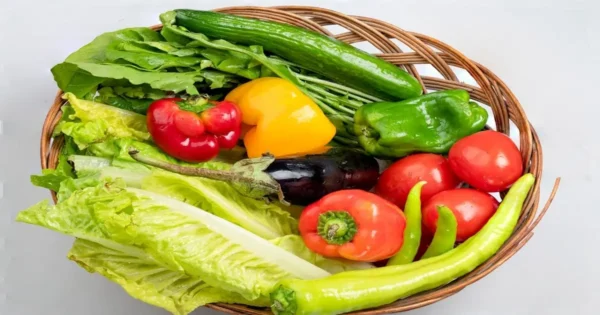
Vegetables in Nutrition: Types, Nutrients, and Dietary Importance
Vegetables in nutrition play an important role in supporting overall health. They provide vitamins, minerals, and fiber that the body needs each day....
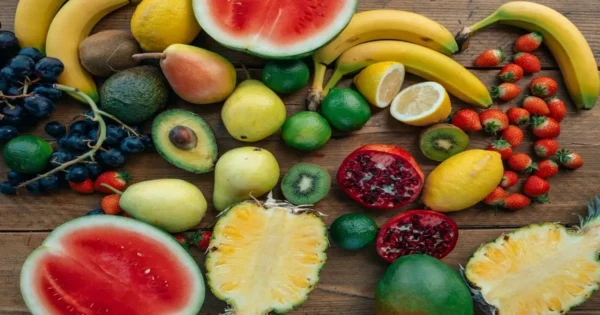
Fruits in Nutrition: Types, Nutrients, and Their Role in a Balanced Diet
Fruits are a natural part of everyday eating and appear in many forms across meals. The types of fruits and their role in...
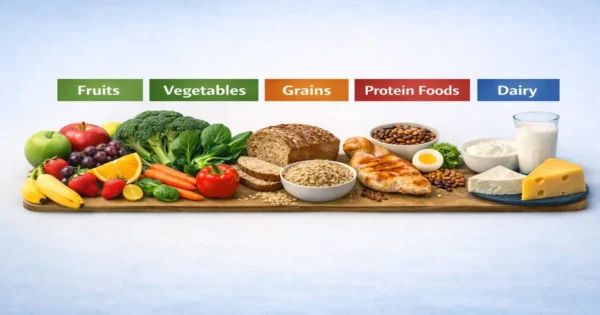
The Five Main Food Groups and Their Key Nutrients
Good nutrition starts with understanding the five main food groups and their nutrients. These groups include fruits, vegetables, grains, protein foods, and dairy....
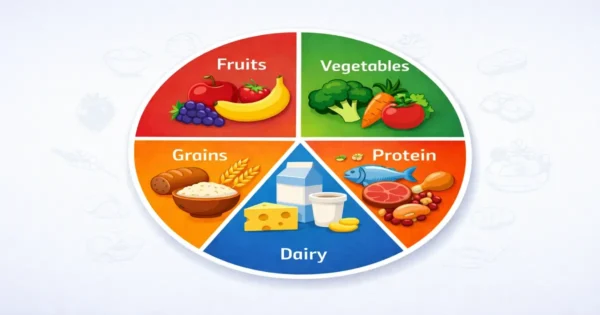
What Are Food Groups in Nutrition? Types, Classification, and Their Role
Food is often grouped to make nutrition easier to understand. These groups are known as food groups in nutrition and help organize foods...