



Metabolism is the collection of chemical reactions that keeps your body working. It helps your cells use nutrients, build tissues, and maintain essential functions. These processes require energy throughout the day, even when you are resting.
Your body uses energy for breathing, circulation, movement, and temperature control. However, it does not use all available energy immediately. It stores some energy as glycogen in the liver and muscles. It also stores fat as a longer-term energy reserve.
Metabolism involves more than burning calories or managing body weight. It also supports growth, repair, and normal cell function. Furthermore, metabolic rates vary with age, body size, muscle mass, and activity levels. As a result, daily energy requirements differ from person to person.
What Is Metabolism?
Metabolism includes all the chemical reactions that help the body use energy and maintain its tissues. These reactions take place in cells and support essential functions throughout the day. To understand how metabolism works, it helps to examine its basic meaning and its role in everyday life.
Metabolism in Simple Terms
Metabolism is the set of chemical reactions that keeps the body functioning. These reactions help cells obtain energy, build important molecules, and maintain their structures. Metabolism involves the chemical processes that sustain life.
Cells rely on metabolic reactions to obtain energy and maintain their structures. Some reactions break molecules down, while others build new ones. These processes work together to support normal cell function.
Why Metabolism Is Essential for Everyday Life
Metabolism supports many functions that continue throughout the day. The heart needs energy to pump blood, while the brain requires a steady energy supply to function. Muscles also use energy during movement and other activities.
Furthermore, metabolic reactions help cells replace worn-out components and build substances needed for normal function. The body obtains many of the raw materials for these processes from nutrients in food.
Nutrients from food supply energy and raw materials for these processes. How the body uses food and its nutrients provides the nutritional context for metabolism.
How Does Metabolism Work?
Metabolism works through many connected chemical reactions. Some reactions break molecules down, while others use smaller molecules and energy to build new substances. These two broad groups of reactions are called catabolism and anabolism. Together, they help the body obtain energy and maintain its tissues.
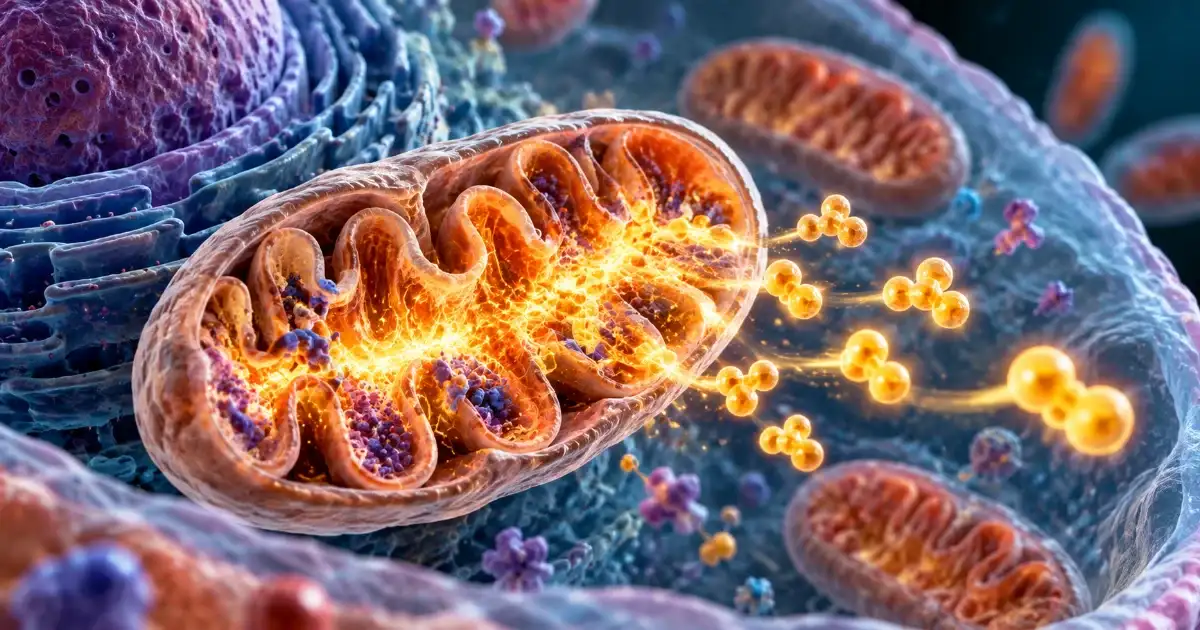
Catabolism: Breaking Down Molecules
Catabolism is the part of metabolism that breaks larger molecules into smaller ones. These reactions help release energy that cells can capture and use for their activities. They also produce smaller molecules that other metabolic reactions can use.
Catabolism also breaks down stored molecules when the body needs additional fuel. These reactions release energy and produce smaller molecules that can support other cellular processes.
Anabolism: Building and Maintaining the Body
Anabolism involves reactions that build larger molecules from smaller ones. These processes require energy and help the body grow, maintain tissues, and replace worn-out cell components.
For example, cells use amino acids to build proteins. These proteins support muscle structure, enzymes, and many other important functions. Cells also make fats and other molecules needed for their structures and activities.
Catabolism supplies energy and smaller molecules, while anabolism uses energy and raw materials to build substances the body needs. Together, these processes support growth, tissue maintenance, and repair.
How Does the Body Use Energy?
The body uses energy to maintain vital functions, support movement, and keep cells working. Metabolism helps make energy available for these tasks. Even at rest, the heart, brain, lungs, and other organs need a steady energy supply. Physical activity increases demand, while digestion and nutrient processing also consume energy.
ATP and Usable Energy in Cells
Adenosine triphosphate (ATP) supplies usable energy for many cellular activities. Cells use ATP to contract muscles, move substances across membranes, and build essential molecules. When ATP reacts with water, it releases usable energy that helps power these tasks.
Cells continually replenish ATP as they use it. Cellular metabolism and ATP production involve reactions that transfer energy from nutrients into ATP. The process through which food becomes energy in the human body supplies the energy needed for this cycle.

Where the Body Spends Energy
Energy use continues during sleep and periods of rest. The body still requires energy to maintain cells, regulate temperature, and support essential organ functions.
Movement adds to daily energy expenditure. Walking, climbing stairs, and exercising require muscles to contract. Digestion and nutrient processing also consume energy, a cost known as the thermic effect of food.
Glucose and fatty acids are major fuels for human cells. The brain relies mainly on glucose under ordinary conditions, while muscles can use both fuels. Their use changes with activity, food intake, and nutritional state.
How Does the Body Store Energy?
The body stores energy to meet future demands. Its main reserves are glycogen and fat. Glycogen provides a limited supply of stored carbohydrate, while fat holds a much larger amount of energy. ATP serves a different purpose by supplying energy directly to cellular processes. These systems work together to meet the body’s changing energy needs.
Glycogen: A Readily Available Energy Reserve
Glycogen is stored glucose found mainly in the liver and skeletal muscles. After meals, the body can convert some glucose into glycogen for later use.
Liver glycogen helps maintain blood glucose between meals. When blood glucose falls, the liver breaks down glycogen and releases glucose into the bloodstream. Muscle glycogen supplies energy to the muscles themselves, especially during physical activity.
Body Fat: The Main Long-Term Energy Reserve
The body stores much of its long-term energy as triglycerides in adipose tissue. These molecules contain fatty acids and glycerol. They provide a concentrated energy reserve that can support the body when immediate fuel supplies cannot meet demand.
During energy shortages or prolonged activity, the body can break down stored triglycerides through lipolysis. Fatty acids then enter cells and undergo further reactions that release usable energy. The amount used depends on activity, food intake, and the body’s current needs. Adipose tissue stores fat and releases fatty acids for energy use.
ATP, Glycogen, and Fat: Key Differences
ATP, glycogen, and body fat serve different purposes. ATP supplies energy for immediate cellular work. Glycogen stores carbohydrate for relatively quick use, while fat provides a larger reserve for longer-term needs.
| Energy-Related Molecule or Storage | Main Role |
| ATP | Transfers usable energy to cellular process |
| Glycogen | Provides a stored carbohydrate reserve |
| Body Fat | Provides a concentrated, long-term energy reserve |
What Determines a Person’s Metabolic Rate?
A person’s metabolic rate describes how quickly the body uses energy. It varies with body size, muscle mass, age, genetics, and physical activity. Some people need more energy than others, even when they perform similar activities. Furthermore, energy needs can change throughout life as the body grows, ages, or changes its activity level.
Basal Metabolic Rate and Resting Energy Needs
Basal metabolic rate (BMR) is the energy the body needs to maintain essential functions under strict resting conditions. These functions include breathing, circulation, temperature regulation, and normal cell activity. Measuring BMR requires specific conditions, including fasting and complete physical rest.
Resting metabolic rate (RMR) measures the energy the body uses at rest under less strict conditions. Although BMR and RMR are closely related, their measurement methods differ. Both estimates help assess resting energy needs, which vary with age, body size, and body composition. Research on energy expenditure and daily energy requirements examines the factors that influence these needs.
Total daily energy expenditure includes resting energy needs, physical activity, and the energy used to digest and process food. Therefore, BMR represents only one part of a person’s daily energy requirements.
Factors That Influence Metabolic Rate
Body size affects energy requirements because larger bodies generally need more energy to maintain their tissues. Lean body mass also matters, as muscle and other lean tissues use energy even at rest.

Age can influence metabolic rate as body composition and physiological needs change. During growth, the body needs energy to build new tissues. Later in life, changes in muscle mass and activity may reduce total energy expenditure.
Genetics also contributes to individual differences. People can have different energy needs even when their age and body size are similar. Physical activity adds to daily energy use, while changes in movement can alter total energy expenditure over time.
Physiological conditions, including growth, pregnancy, and recovery from illness, can also affect energy requirements. Food intake and changes in body weight may influence energy expenditure as well.
Can Metabolism Burn Fat?
Yes, metabolism can use stored body fat as fuel. When the body needs energy, it can break down fat reserves and use the released fatty acids. However, using fat for energy does not automatically mean a person will lose body fat over time.
How Stored Fat Becomes Fuel
Once fatty acids are released from stored triglycerides, cells can take them up and break them down through further metabolic reactions. These reactions help produce ATP, which supplies energy for cellular work. This process is called fat oxidation.
The body changes its fuel use throughout the day. During some activities, it relies more heavily on carbohydrates. During rest or lower-intensity activity, fat may supply a larger share of the energy used. Food intake, exercise intensity, and the body’s current energy needs all influence this balance.
Fat Use and Body Fat Loss Are Not the Same
Using fat for energy at a particular moment does not necessarily reduce body fat over time. The body may use stored fat and later store energy from food, so short-term fat oxidation does not show the overall change in fat stores.
Long-term body fat changes depend largely on energy balance over time. When the body uses more energy than it obtains from food, it may draw on stored reserves. When energy intake consistently exceeds energy use, the body may store more energy as fat.
Physical activity, eating patterns, sleep, and other factors influence energy balance. Lasting changes in body fat depend on the overall pattern of energy intake and expenditure.
How Can You Tell Whether Your Metabolism Is High or Low?
A person’s metabolic rate cannot be judged accurately from appearance alone. Body size, activity, food intake, and other factors influence energy needs. Some people naturally use more energy than others under similar conditions. However, feeling energetic or gaining weight does not reliably reveal a person’s metabolic rate.
What a High or Low Metabolic Rate Means
A higher metabolic rate means the body uses more energy under comparable conditions. A lower metabolic rate means it uses less. These differences can reflect body size, lean mass, age, genetics, and other factors.
Neither a high nor a low metabolic rate automatically indicates good or poor health. Energy requirements differ among individuals, so comparisons need to account for body size, lean mass, and measurement conditions.
A person’s energy requirements can change over time. Therefore, comparisons only make sense when relevant factors and measurement conditions are considered.
Are There Reliable Signs of a Slow Metabolism?
No single symptom reliably identifies a slow metabolism. Weight gain, fatigue, increased hunger, and feeling cold can occur for many reasons, including changes in sleep, activity, food intake, medications, or health conditions. Weight gain alone does not prove that a person’s metabolic rate is low.
The phrase bad metabolism is not a precise medical diagnosis. A person’s metabolic rate can be estimated using suitable measurements, while specialized testing may help answer specific clinical questions.
Persistent or unexplained symptoms deserve attention, especially when several changes occur together. A qualified healthcare professional can assess the symptoms and decide whether further evaluation is appropriate. Self-diagnosis based on a symptom checklist can lead to incorrect conclusions.
What Supports Normal Metabolic Function?
Adequate nutrition, regular physical activity, and sufficient sleep support the body’s daily energy needs. These habits contribute to normal function, but they do not guarantee a dramatic increase in metabolic rate.
Everyday Habits That Support Energy Needs
Eating enough food helps meet the body’s energy needs. A varied diet supplies carbohydrates, proteins, fats, vitamins, and minerals. Each nutrient plays a different role in energy use, tissue maintenance, and other body processes. Individual needs depend on age, body size, activity, and other factors.
Regular physical activity supports muscle function and contributes to daily energy expenditure. Walking, cycling, household tasks, and recreational activities all count as movement. Strength exercises also help maintain muscle mass, which contributes to resting energy needs.
Sleep is another important part of metabolic health. Consistent, sufficient sleep supports energy levels and helps regulate appetite. Poor sleep can affect food choices, motivation, and the ability to stay active. Therefore, maintaining a regular sleep schedule can support healthier daily habits.
Consistent eating habits, regular movement, and sufficient sleep provide a practical foundation for meeting the body’s daily energy needs.
Conclusion
Metabolism includes the chemical reactions that help the body use nutrients, produce energy, and maintain its tissues. ATP supplies energy for cellular activities, while glycogen and body fat provide stored energy for different needs. Metabolic rate varies with body size, muscle mass, age, genetics, and physical activity. Adequate nutrition, regular movement, and sufficient sleep support the body’s ongoing energy requirements.
Disclaimer:
This article is for informational purposes only. It covers general food and nutrition topics and does not provide medical advice. Nutritional needs vary between individuals, so food choices should be part of a varied and balanced diet. For personal health concerns, consult a qualified healthcare professional.


