

Food choices and dietary diversity shape how well the body receives essential nutrients. Many diets rely heavily on a few staple foods. However, nutrition improves when meals include a wider range of food groups. This idea is known as dietary diversity.
Dietary diversity refers to eating foods from different food groups within a day or over time. Each group provides different nutrients that support normal body functions. Therefore, a varied diet contributes to better overall nutrient intake.
Researchers and nutrition experts often study dietary diversity to understand diet quality. It also plays a role in food security assessments around the world. Several tools help measure diet variety. Indicators such as the dietary diversity score help estimate how many food groups people consume in a typical day.
What Is Dietary Diversity?
Dietary diversity refers to the variety of different food groups consumed over a certain period. It usually reflects how many types of foods appear in daily meals. A wider range of food groups usually brings a broader mix of nutrients.
Each food group supplies different nutrients that support normal body functions. For example, fruits provide vitamins, grains offer energy, and legumes contribute plant proteins. Therefore, combining foods from several groups helps maintain better nutrient balance.
Nutrition researchers often use dietary diversity to evaluate diet quality. It helps estimate whether people receive enough essential nutrients through their regular meals. Besides that, the idea of including a wide range of foods is also reflected in food-based dietary guidelines.
A diet that contains only a few staple foods may provide enough calories. However, such diets often lack important vitamins and minerals. Including foods from different groups helps maintain overall diet quality and supports daily nutritional needs.
Dietary Diversity vs Food Quantity
Dietary diversity focuses on the variety of foods eaten, not simply the amount of food consumed. A person may eat large portions but still rely on only a few food types.
For instance, meals based mainly on rice or wheat may provide enough calories. However, they may lack several important nutrients if other food groups are missing. Therefore, eating more food does not always mean better nutrition.
A varied diet contributes to better nutrient intake because different foods supply different nutrients. The concentration of nutrients within foods relates closely to nutrient density.
Why Dietary Diversity Matters for Health and Nutrition
Dietary diversity plays a key role in supporting balanced nutrient intake. Different food groups provide different vitamins, minerals, and other essential nutrients. Therefore, eating a wider range of foods helps maintain overall nutritional balance.
Many traditional diets rely heavily on staple grains such as rice, wheat, or maize. These foods supply energy but provide limited micronutrients. When diets lack variety, nutrient gaps may appear over time.
Including fruits, vegetables, legumes, dairy foods, and protein sources improves the range of nutrients available in meals. As a result, dietary diversity contributes to better diet quality.
Diet diversity also helps nutrition researchers evaluate food access in communities. A varied diet often reflects better availability of different foods. Besides that, dietary diversity plays a role in food security assessments worldwide.
Food quality matters when choosing diverse foods. The value of foods with higher nutrient content forms an important part of nutrient density and food quality, which helps maintain better overall diet quality.
Dietary Diversity and Micronutrient Adequacy
Micronutrients such as iron, calcium, vitamin A, and zinc are important for normal body function. Different foods supply these nutrients in varying amounts.
Vegetables and fruits provide vitamins and protective compounds. Legumes and nuts contribute plant proteins and minerals. Dairy foods supply calcium, while eggs and fish offer several essential nutrients.
When meals combine foods from several groups, nutrient intake becomes more balanced. Therefore, dietary diversity helps maintain adequate intake of vitamins and minerals. Evidence linking diet variety with micronutrient adequacy appears in dietary diversity and micronutrient adequacy research.
A varied diet plays a role in supporting daily nutritional needs and overall diet quality.
Major Dietary Diversity Food Groups
Dietary diversity is usually assessed by counting how many food groups appear in daily meals. The goal is not simply eating many foods. Instead, it focuses on including foods from several groups. Each group contributes different nutrients that support normal body functions.
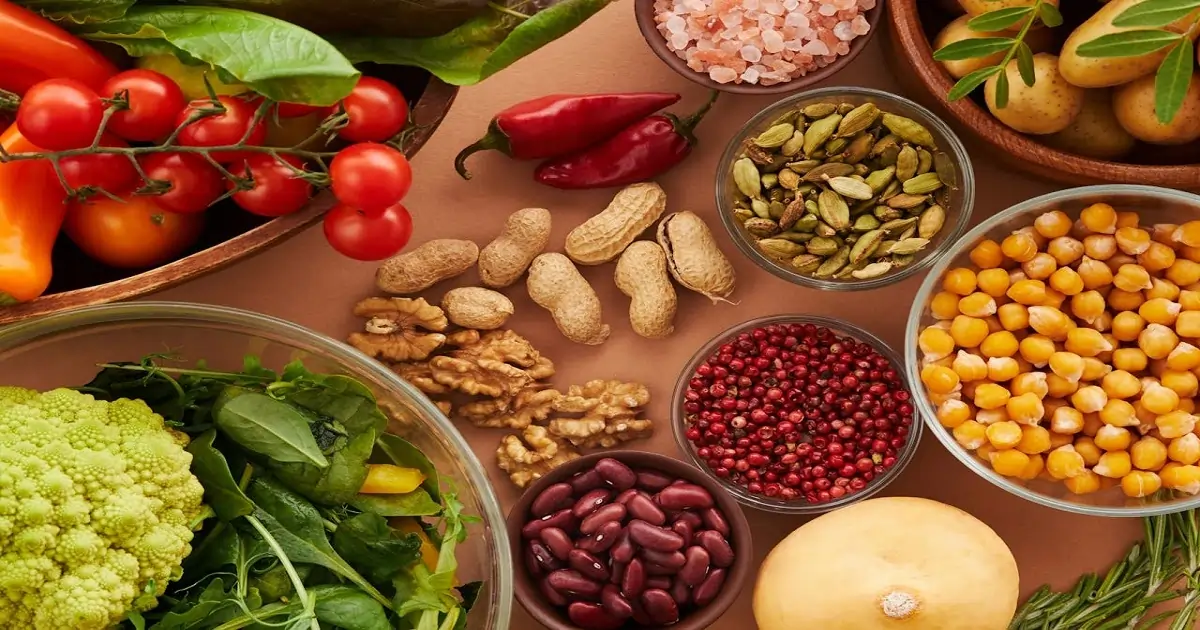
Cereals and grains form the base of many diets around the world. Foods such as rice, wheat, maize, and oats provide energy and carbohydrates. These foods help maintain daily energy needs and are often part of a balanced diet.
Legumes and pulses include beans, lentils, peas, and chickpeas. These foods contribute plant protein, fiber, and minerals. They also play a role in supporting balanced meals, especially in diets with fewer animal foods.
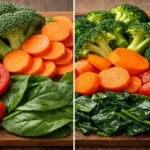
Fruits and vegetables supply vitamins, minerals, and protective plant compounds. Leafy greens, carrots, tomatoes, apples, and bananas all contribute different nutrients. Therefore, including a wide range of colorful produce helps maintain better nutrient balance.
Dairy foods such as milk, yogurt, and cheese contribute calcium and protein. These nutrients are important for normal body function. Besides that, dairy foods help maintain bone health and contribute to balanced meals.
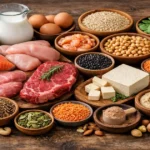
Animal foods such as meat, fish, and eggs provide protein and several essential nutrients. These foods are associated with improved nutrient intake when eaten in moderate amounts.
Nuts and seeds include almonds, walnuts, sunflower seeds, and sesame seeds. They supply healthy fats, protein, and minerals. When included in meals, they contribute to dietary variety and overall nutrient intake.
Across these groups, foods with higher nutrient content help strengthen overall diet quality. Many examples appear within most nutrient-dense foods.
Example of a Diet with Low vs High Diversity
A low diversity diet usually depends on only one or two staple foods. For example, meals based mainly on rice and bread provide energy. However, they may lack several vitamins and minerals.
Such diets often include very few fruits, vegetables, or protein sources. As a result, nutrient intake becomes limited even when calorie intake remains high.
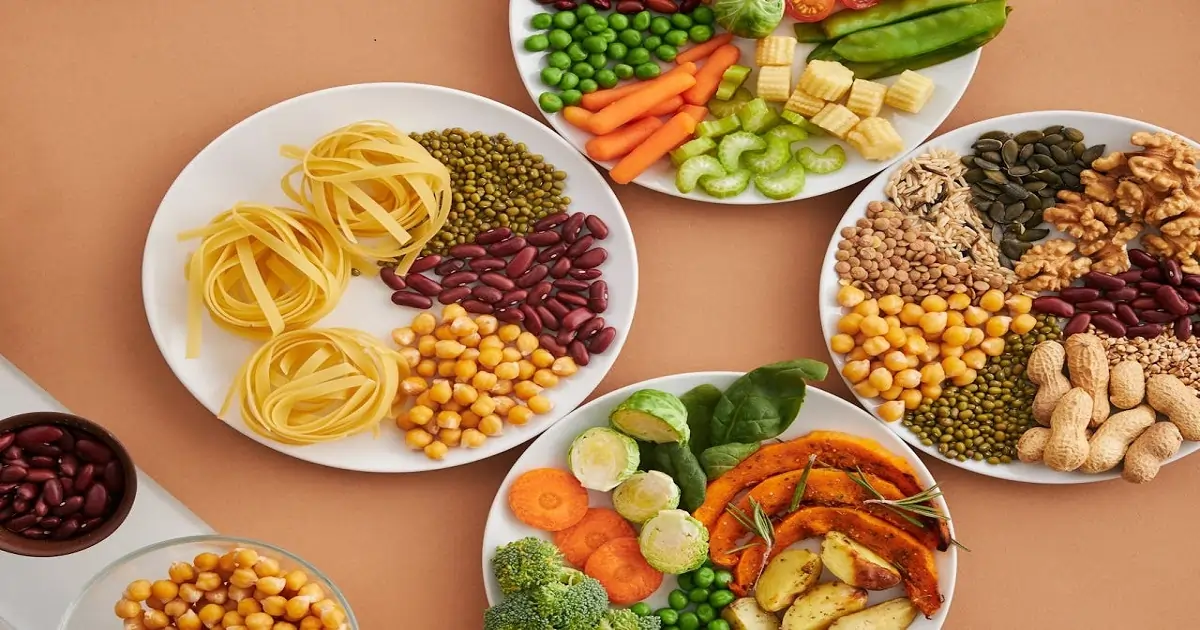
A more diverse diet includes foods from several groups within the same day. For instance, a meal may include grains, vegetables, legumes, fruit, and dairy. This combination contributes to better nutrient balance.
Diet diversity improves nutrient intake, while calorie intake depends on food composition. This balance between nutrients and calories forms the basis of nutrient density vs calorie density.
What Is a Dietary Diversity Score (DDS)?
Researchers often need a simple way to measure diet variety. The Dietary Diversity Score, or DDS, helps estimate how many food groups appear in a person’s daily diet.
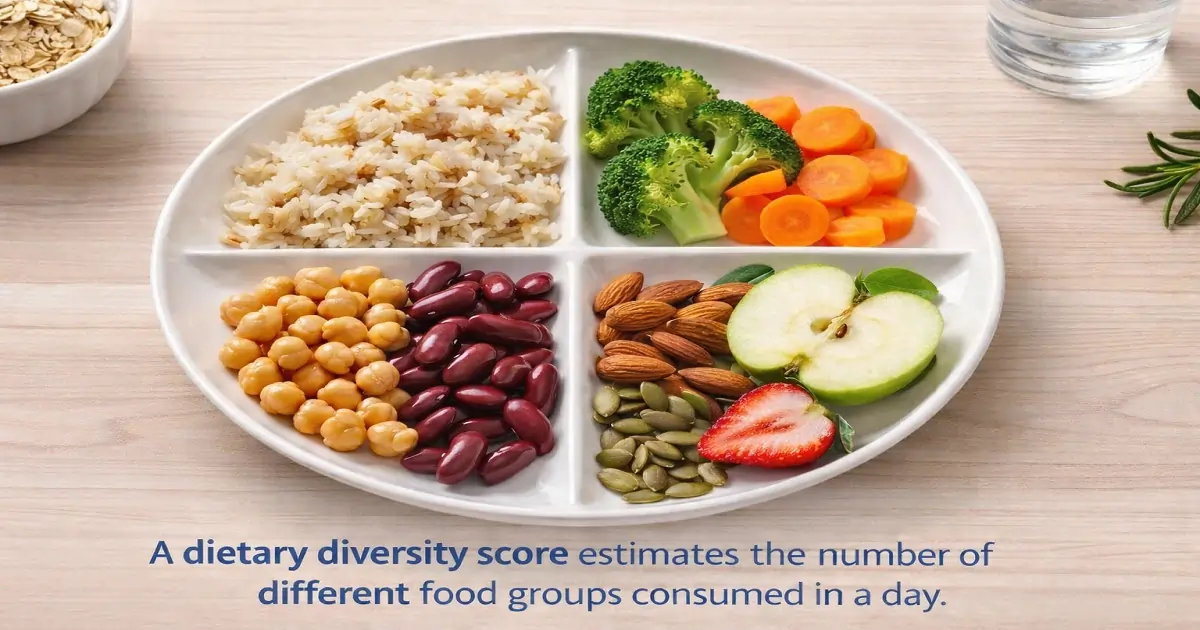
The score reflects the number of food groups consumed during a specific period. Most studies use a 24-hour dietary recall method to evaluate meals eaten during the previous day.
A higher score usually indicates greater variety of foods. Greater variety contributes to a wider range of nutrients in daily meals. Therefore, dietary diversity scores help researchers evaluate diet quality.
DDS plays a role in nutrition surveys and food security research. It helps identify dietary patterns within communities and population groups. Besides that, the score contributes to studies related to nutrient adequacy.
Although the score does not measure exact nutrient intake, it provides useful insight into food variety. A diet that includes more food groups often contributes to better nutrient balance and overall diet quality.
How to Calculate Dietary Diversity Score
The dietary diversity score usually relies on a simple method called the 24-hour recall. This method records all foods eaten during the previous day.
First, foods are grouped into common food categories such as grains, vegetables, fruits, legumes, dairy, and animal foods. Each food group counts once even if several foods appear within that group.
Next, the number of food groups consumed is counted. For example, a person who eats grains, vegetables, fruit, and dairy receives a score of four.
Researchers then compare scores across individuals or populations. Higher scores often indicate better diet variety. Therefore, the dietary diversity score helps evaluate dietary patterns and food access in many nutrition studies.
Common Indicators Used to Measure Dietary Diversity
Researchers often use specific indicators to measure dietary diversity. These indicators help estimate how many food groups appear in daily meals. They also help identify patterns of food access and diet quality in different populations.
Dietary diversity indicators are widely used in nutrition surveys and food security studies. They help researchers understand whether people consume a wide range of foods. A varied diet contributes to better nutrient intake and supports balanced eating patterns.
Several common indicators measure dietary diversity. Each indicator focuses on a different aspect of diet variety. Some assess household food access, while others evaluate individual dietary patterns.
These tools help compare diets across communities, regions, or countries. They also contribute to nutrition programs that aim to improve access to diverse foods. Among the most commonly used indicators are the Household Dietary Diversity Score, Minimum Dietary Diversity, and the Food Consumption Score.
Each indicator measures dietary diversity in a slightly different way. However, they all aim to understand how many types of foods people consume within a certain period.
Household Dietary Diversity Score (HDDS)
The Household Dietary Diversity Score measures the variety of foods consumed by an entire household. It counts how many food groups appear in household meals during a specific period.
This indicator helps researchers understand food access within families. When households consume foods from many groups, it often suggests better access to diverse foods.
HDDS contributes to food security assessments in many countries. It plays a role in identifying communities with limited food variety. Therefore, the score helps researchers evaluate how economic conditions influence food choices.
Although HDDS does not measure exact nutrient intake, it provides useful insight into household food availability. Greater diversity in household meals supports better diet variety.
Minimum Dietary Diversity (MDD)
Minimum Dietary Diversity focuses on the diets of specific population groups. It is commonly used for women of reproductive age and young children.
This indicator measures whether individuals consume a minimum number of food groups within one day. Meeting the minimum threshold helps maintain adequate intake of important nutrients.
MDD contributes to nutrition monitoring programs in many regions. It helps identify dietary gaps that may affect vulnerable populations.
A higher diversity of foods supports balanced nutrient intake. Therefore, MDD plays a role in evaluating whether diets provide enough variety for normal nutritional needs.
Food Consumption Score (FCS)
The Food Consumption Score evaluates dietary diversity together with food consumption frequency. This indicator records how often different food groups appear in meals during a week.
FCS contributes to large food security assessments around the world. It helps researchers understand both diet variety and the regularity of food consumption. The framework used in many humanitarian assessments is outlined in Food Consumption Score.
Unlike HDDS, which counts the number of food groups consumed, FCS considers how frequently each group appears. This approach provides a broader view of dietary patterns.
Both indicators help researchers study food access and diet diversity. HDDS mainly focuses on the range of food groups consumed. In contrast, FCS combines diversity with how often foods appear in meals.
Practical Ways to Improve Dietary Diversity
Improving dietary diversity begins with including foods from several food groups each day. Even small changes in meal choices can increase variety. For example, adding vegetables or fruit to a staple meal contributes to better nutrient balance.
Rotating fruits and vegetables throughout the week helps maintain variety. Different colors of produce provide different vitamins and minerals. Therefore, choosing seasonal produce supports both variety and freshness.
Protein sources can also vary from day to day. Meals may include legumes, eggs, dairy foods, fish, or nuts. These foods contribute different nutrients that support normal body function.
Legumes, nuts, and seeds are useful additions to daily meals. They contribute protein, healthy fats, and minerals. Including them regularly helps maintain balanced nutrient intake.
Seasonal foods provide another simple way to improve dietary diversity. Local fruits and vegetables change during the year. Therefore, seasonal choices naturally increase food variety and contribute to a balanced diet.
Conclusion
Dietary diversity reflects the variety of foods people include in their daily meals. A diet with several food groups contributes to better nutrient balance. Different foods supply different vitamins and minerals that support normal body functions.
Including grains, vegetables, fruits, legumes, dairy, and protein foods helps maintain balanced nutrition. Each group contributes unique nutrients that play a role in overall diet quality. Therefore, a varied diet helps maintain adequate nutrient intake over time.
Dietary diversity indicators also help researchers study eating patterns across communities. These tools contribute to nutrition research and food security monitoring. They help identify how food access and dietary choices influence diet quality.
Overall, dietary diversity remains an important part of balanced eating. A wider range of foods supports better nutrition and helps maintain long-term dietary balance.
Disclaimer:
This article is for informational purposes only. It discusses general food-related topics and does not provide medical advice. Nutritional needs vary between individuals, and food choices should be part of a varied and balanced diet. For personal health concerns, consult a qualified professional.